
Rosenthal
2025
No user ratings available yet
Representation score: 0.0 out of 10
Representation Score
Limited
1965
Director
Michael Kehlmann
Runtime
230 minutes
Average Rating
No ratings yetNew Showbiz Analysis
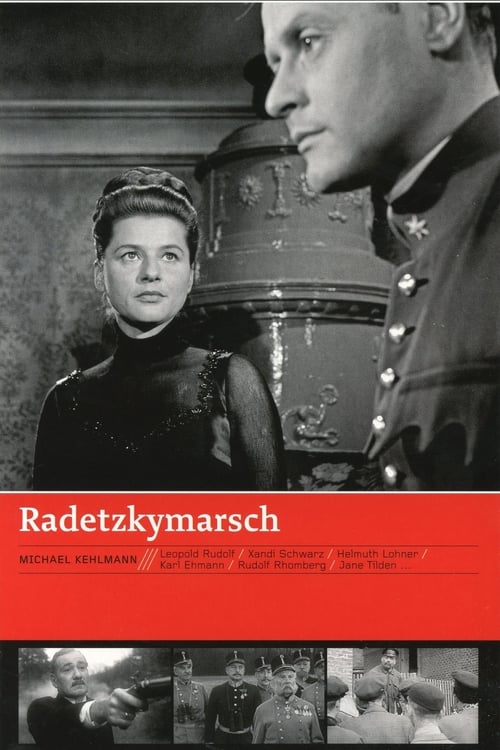
Radetzkymarsch serves as a historical critique of the Austro-Hungarian Empire. It prioritizes a systemic analysis of imperial power over contemporary identity-based representation, anchoring itself to the social constraints of its 1965 production context. The film excels in cultural representation by deconstructing the stability of the state. Instead of celebrating monarchical glory, it explores the decay of traditional Western institutions through the Trotta family. However, the work lacks depth in modern diversity metrics. The focus on military and political shifts limits the ability to act of women and fails to provide visible LGBTQ+ or diverse ethnic perspectives beyond the dominant ruling classes.
Category Breakdown
The film does not include any explicit LGBTQ+ characters or non-straight relationships. The story focuses on the Trotta family, reflecting traditional structures of the time.
The plot centers around patriarchal lineage and military succession within the Austro-Hungarian Empire. While women may play roles in domestic settings, the main drivers of the story are male-centric.
The setting likely reflects Central European dominance. Although the empire's collapse touches on ethnic tensions, the representation focuses on the dominant socio-political classes.
The film deconstructs traditional Western institutions by highlighting the decline of the Austro-Hungarian Empire. It critiques imperial grandeur rather than glorifying the monarchy or nationalistic ideals.
There is no mention of characters with visible or invisible disabilities in the narrative overview.
Present on Screen
Limited or Absent
Official Synopsis
The story of the Trotta family during the rise and fall of the Austrian-Hungary empire. Based upon the novel by Joseph Roth.
2025

1969

1992

1957
2024

1999
1948
1988
No reviews yet. Be the first to share your thoughts on this movie!
Use the rating form above to leave a star rating and optional review.