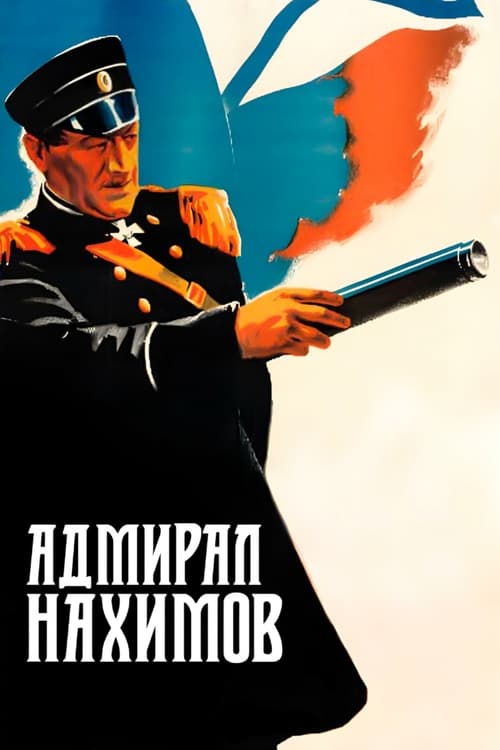
Admiral Nakhimov
1947
No user ratings available yet
Representation score: 1.2 out of 10
Representation Score
Fair
1965
Director
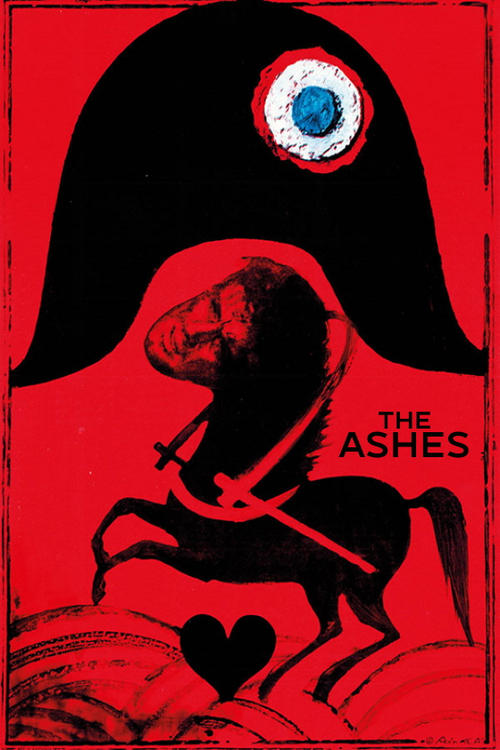
Andrzej Wajda
Runtime
234 minutes
Average Rating
No ratings yetNew Showbiz Analysis
The Ashes is a historical epic that prioritizes period authenticity and the deconstruction of national myths over modern characters who reflect more than one aspect of diversity. It functions as a post-colonial study of a nation seeking autonomy against imperial powers. While the film lacks specific demographic markers found in contemporary media, it offers a sophisticated critique of the 'Great Man' theory of history. It replaces sanitized heroism with a nuanced look at systemic victimization. Ultimately, the film's strength lies in its refusal to provide a moralistic view of war, focusing instead on the profound suffering caused by geopolitical shifts.
Category Breakdown
The film focuses on the collective struggle of the Polish Legions and geopolitical movements. There are no queer narratives or representations of non-cisgender identities.
Women are shown within the context of a nation in transition, often filling roles required by wartime needs. However, the film maintains traditional military hierarchies without challenging traditional masculinity.
The cast is mainly composed of people from similar backgrounds, reflecting the historical reality of the Polish Legions. It centers the perspective of a subjugated people rather than a Western European viewpoint.
The narrative avoids triumphalist morality, using moral relativism to highlight the tragic consequences of war. It critiques the oppressive nature of dominant geopolitical structures.
Combat injuries are depicted as markers of war's brutality. Characters with physical impairments are portrayed as victims of circumstance rather than individuals with independent ability to act.
Present on Screen
Limited or Absent
Official Synopsis
Set in the time of Napoleon wars, shows how the wars swept over the unfortunate Polish country at the beginning of the XIX-th century. Story revolves around the Polish legion under command of General Dabrowski, who then fought on Napoleon's side with the hopes of Poland's revival.
1947
1959
2018
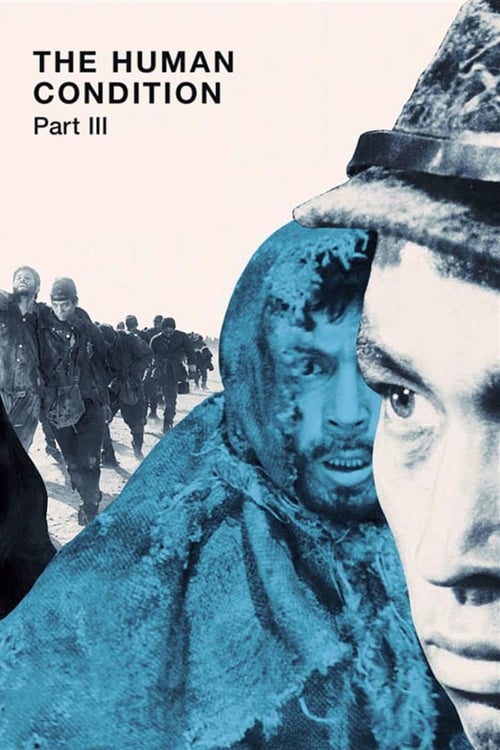
1961

2013
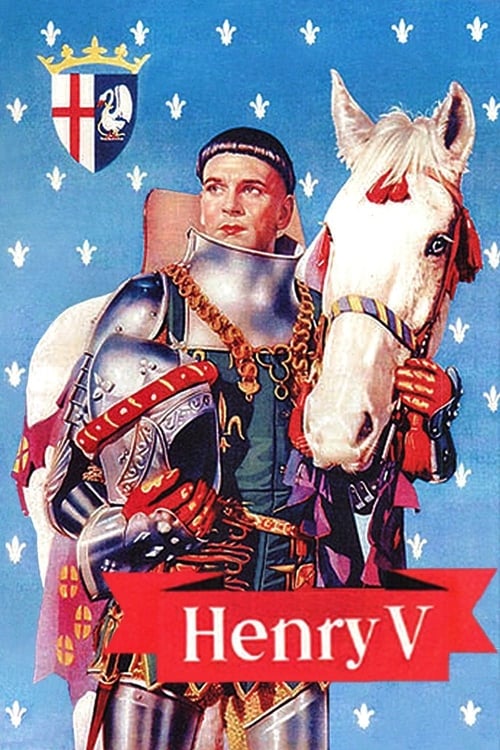
1944
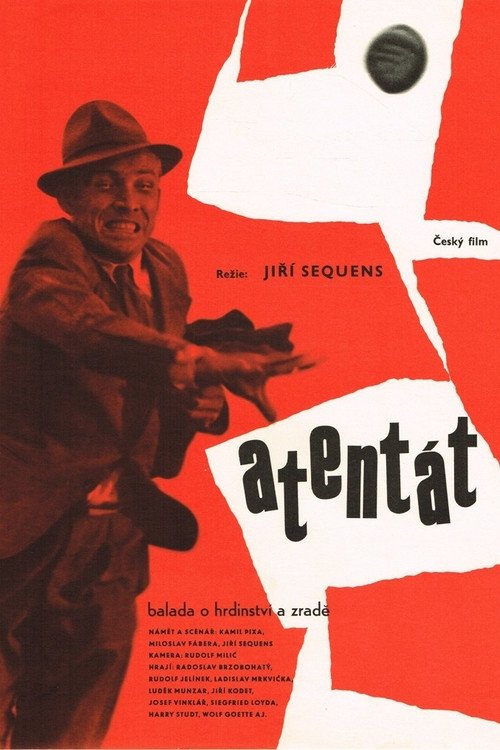
1965
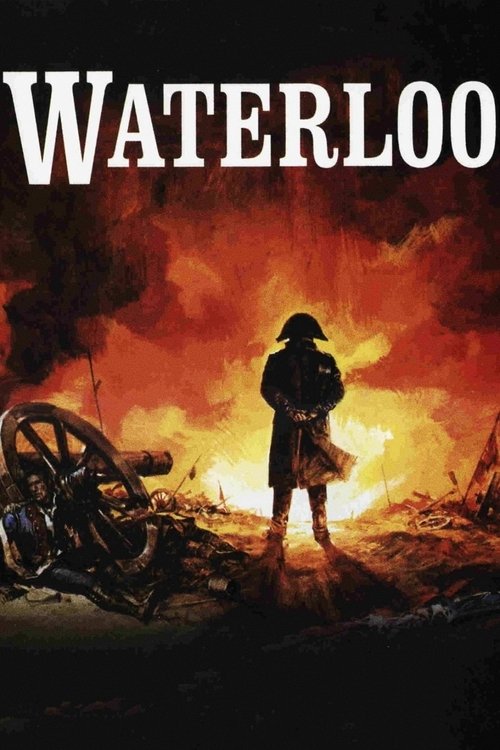
1970
No reviews yet. Be the first to share your thoughts on this movie!
Use the rating form above to leave a star rating and optional review.