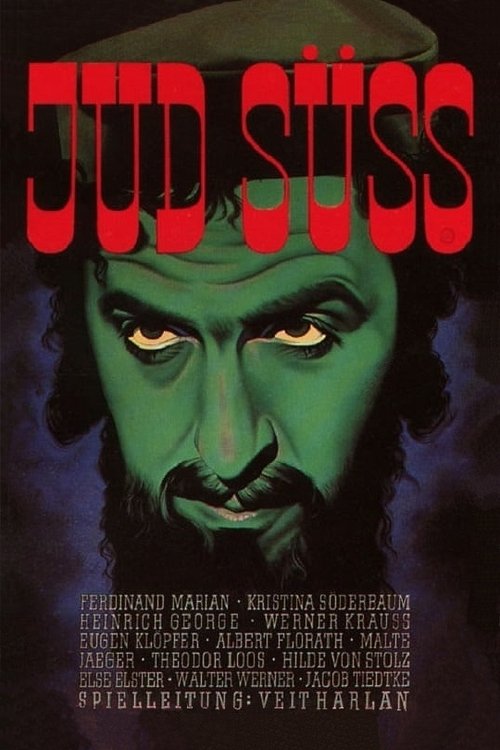
Süss, the Jew
1940
No user ratings available yet
Representation score: 0.1 out of 10
Representation Score
Good
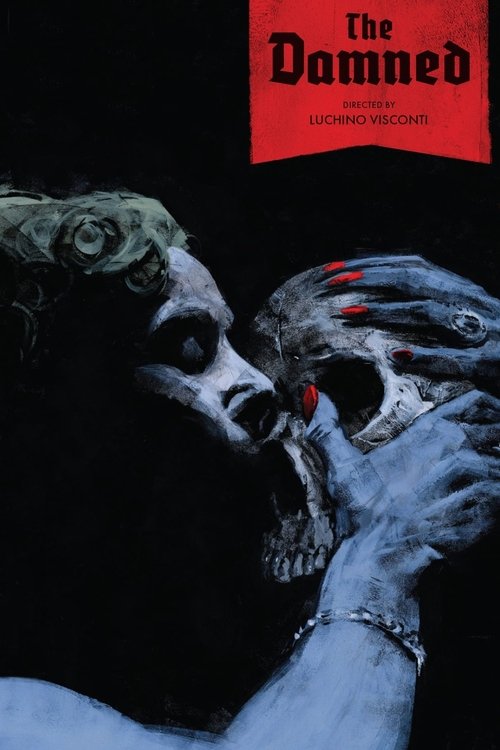
1969
RDirector
Luchino Visconti
Runtime
158 minutes
Average Rating
No ratings yetNew Showbiz Analysis
Visconti’s work is a profound deconstruction of the European industrialist class, using a decaying dynasty to critique the intersection of capital and power. It excels in challenging traditional social hierarchies, particularly through its complex exploration of queer theory and the active roles of its female characters. However, the film is highly homogeneous, focusing almost entirely on a white, Eurocentric aristocratic lineage. This specific historical focus results in a lack of racial and ethnic diversity. Ultimately, the film's strength lies in its intentional critique of traditional Western institutions and normative social structures, even as it remains limited in its demographic breadth.
Category Breakdown
The film delves into non-traditional sexualities and desires that challenge the assumption that everyone is straight or cisgender. These themes are central to the characters' development rather than being superficial additions.
Women are shown as active, volatile participants in power struggles rather than submissive figures. The narrative challenges traditional masculinity by depicting it as prone to obsession and eventual collapse.
The cast is predominantly white and Eurocentric, reflecting the specific demographic of the German industrialist class. The film focuses narrowly on this socioeconomic context.
The film provides a sophisticated critique of Western institutions and capitalism. It embraces moral relativism, presenting transgressive behaviors as symptoms of a decaying social order.
Representation of disabilities is limited and primarily serves the theme of physical and psychological decay. Mental instability is depicted as a symptom of social position rather than a source of individual power.
Present on Screen
Limited or Absent
Official Synopsis
In the early days of Nazi Germany, a powerful noble family must adjust to life under the new dictatorship regime.
1940

1970
2009
1959
1999
1977
1954
1981
No reviews yet. Be the first to share your thoughts on this movie!
Use the rating form above to leave a star rating and optional review.