What a Woman!
1956
No user ratings available yet
Diversity score: 3.0 out of 10
1966
Director
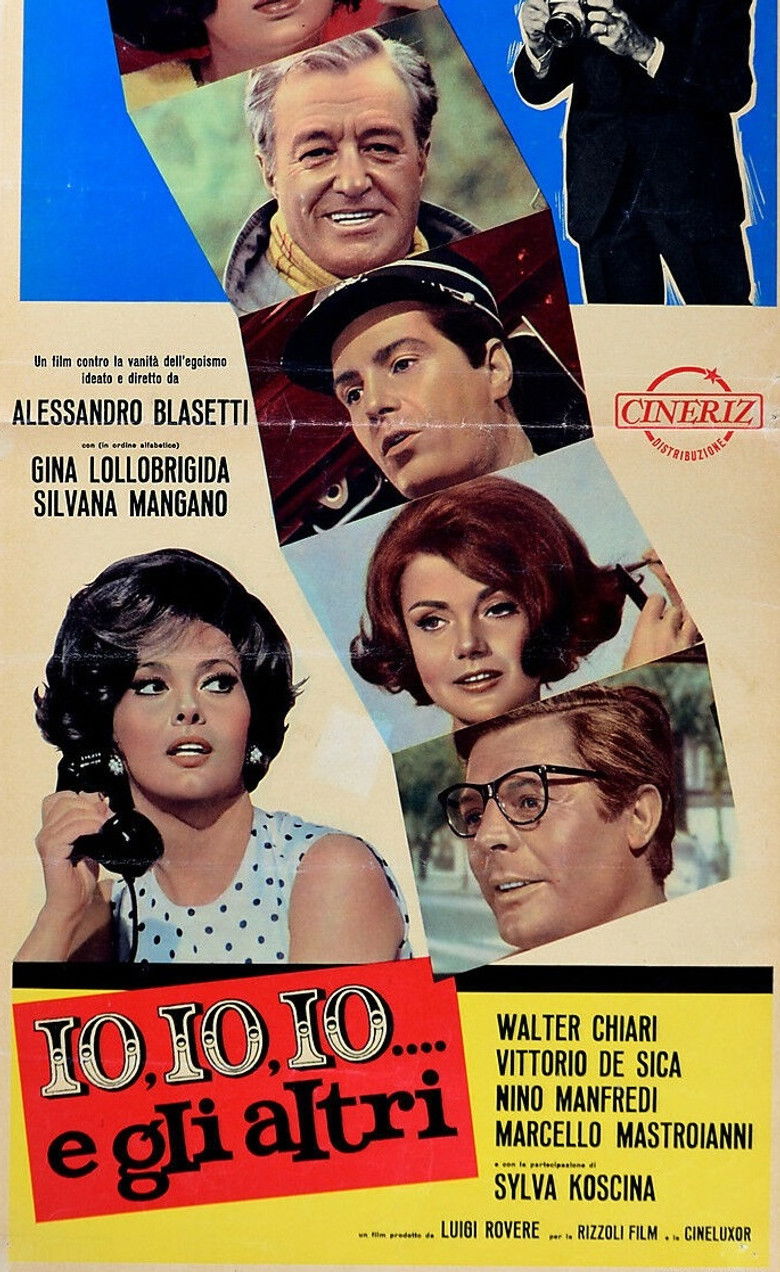
Alessandro Blasetti
Runtime
102 minutes
Average Rating
No ratings yetSynopsis
Sandro is a well-known journalist and he is conducting a survey on human selfishness. Every man and every woman he meets turns into a theme for his inquiry. Even his own wife, Titta.
Overall Score
Fair
Category Breakdown
LGBTQ+ Representation
The film focuses on traditional domestic and social structures. There is no evidence of LGBTQ+ characters or narratives that critique heteronormativity.
Gender Representation
A high-profile female ensemble provides significant presence and agency. By framing women as complex, self-interested actors, the film disrupts the trope of the submissive female archetype.
Racial & Ethnic Diversity
The production reflects the demographic homogeneity of mid-1960s Italy. The setting and cast center on a Western European context without significant non-white representation.
Religious & Cultural Diversity
The narrative uses satire to question traditional virtues and social institutions. It adopts a lens of moral relativism to critique the hypocrisy of social cohesion.
Disability Representation
There is no documented evidence regarding the portrayal of physical or neurodivergent disabilities in this work.
Strengths
Areas for Improvement
AI Analysis
Alessandro Blasetti’s satire deconstructs the human ego through a journalist's survey of selfishness. While the film lacks modern intersectional breadth, it succeeds in challenging social norms through character-driven inquiry. The film's strength lies in its refusal to present an idealized morality. It uses individualistic satire to examine the tensions between personal desire and the stability of social roles. However, the work is limited by the era's demographic constraints. It lacks significant racial and LGBTQ+ diversity, remaining rooted in a traditional, homogeneous Italian social context.
1956

1959
1970
1974
1977
1973

1966

1958
1964
1955
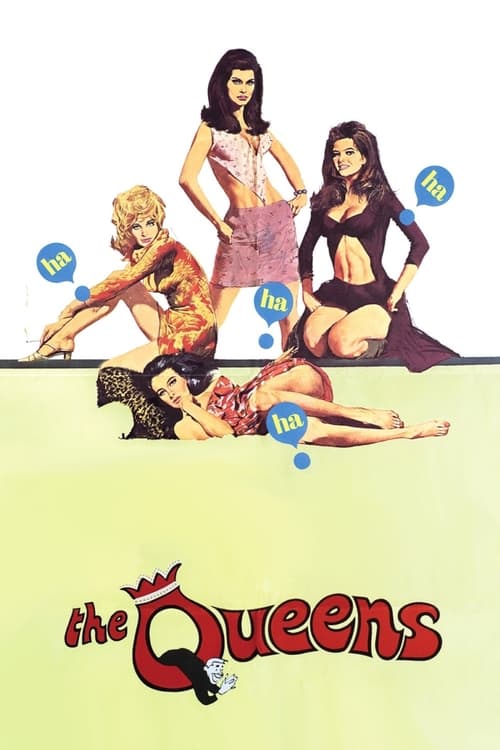
1966

1954
No reviews yet. Be the first to share your thoughts on this movie!
Use the rating form above to leave a star rating and optional review.