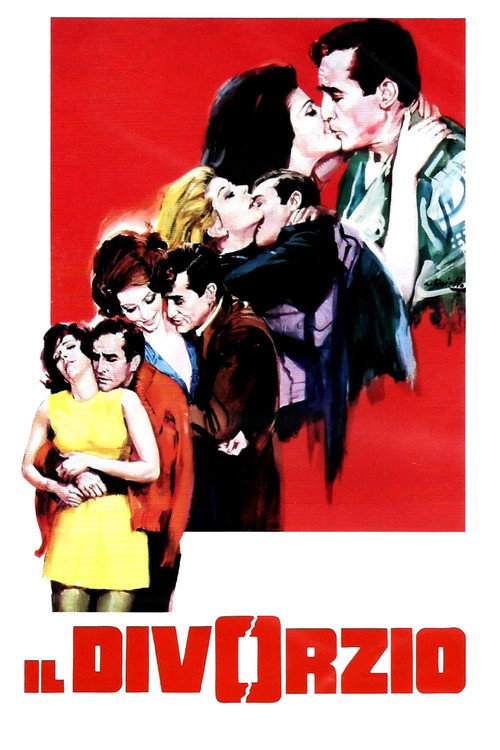
The Divorce
1970
No user ratings available yet
Representation score: 4.3 out of 10

Representation Score
Fair
1966
Director
Alberto Sordi
Runtime
129 minutes
Average Rating
No ratings yetNew Showbiz Analysis
Alberto Sordi employs satire to expose the hypocrisy of the Italian middle class. By focusing on a protagonist who publicly opposes divorce while privately leading a life of multiple lovers, the film critiques the conflict between traditional Catholic values and contemporary social changes. The work serves as a transitional piece of cinema, lacking modern diversity in race and LGBTQ+ representation, yet effectively subverting established cultural and gender hierarchies through its focus on moral relativism.
Category Breakdown
The film centers on traditional heterosexual relationships and marriage. It explores lifestyles that challenge conventional marriage expectations but does not include explicit queer narratives.
The story challenges traditional gender roles by depicting a successful man whose personal issues undermine his public image. It avoids the cliché of a stable patriarch, instead showing a more chaotic portrayal of masculinity.
The narrative takes place in a relatively homogeneous social setting centered around the Italian bourgeoisie. There is no indication of significant racial or ethnic diversity within the story.
The film delves into themes of secularism and critiques religious institutions. It highlights hypocrisy to show the tension between Catholic doctrine and individual actions.
There is no mention of characters with visible or invisible disabilities in the provided narrative.
Present on Screen
Limited or Absent
Official Synopsis
A successful fifty-year-old entrepreneur, Tullio Conforti, opposed to divorce for religious reasons, is in fact separated from his wife and leads a frenetic life divided between numerous lovers.
1970
1961

1969

1964

1982
1976
1960
1955
No reviews yet. Be the first to share your thoughts on this movie!
Use the rating form above to leave a star rating and optional review.