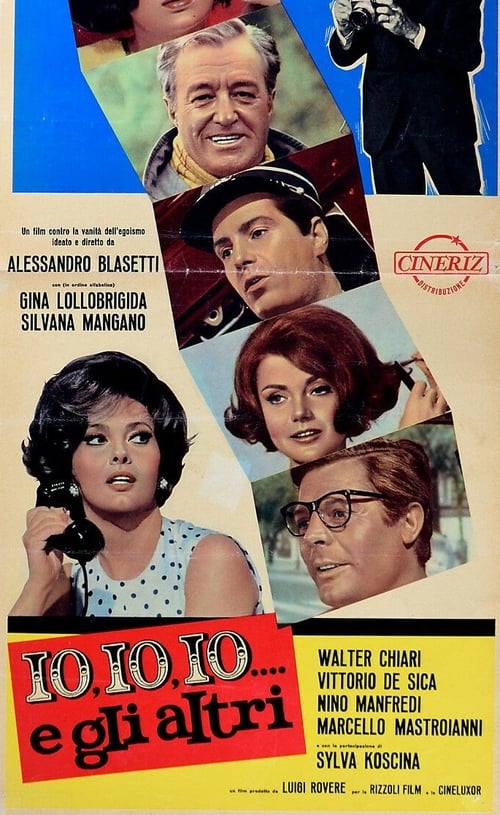
Me, Me, Me... and the Others
1966
No user ratings available yet
Diversity score: 4.3 out of 10
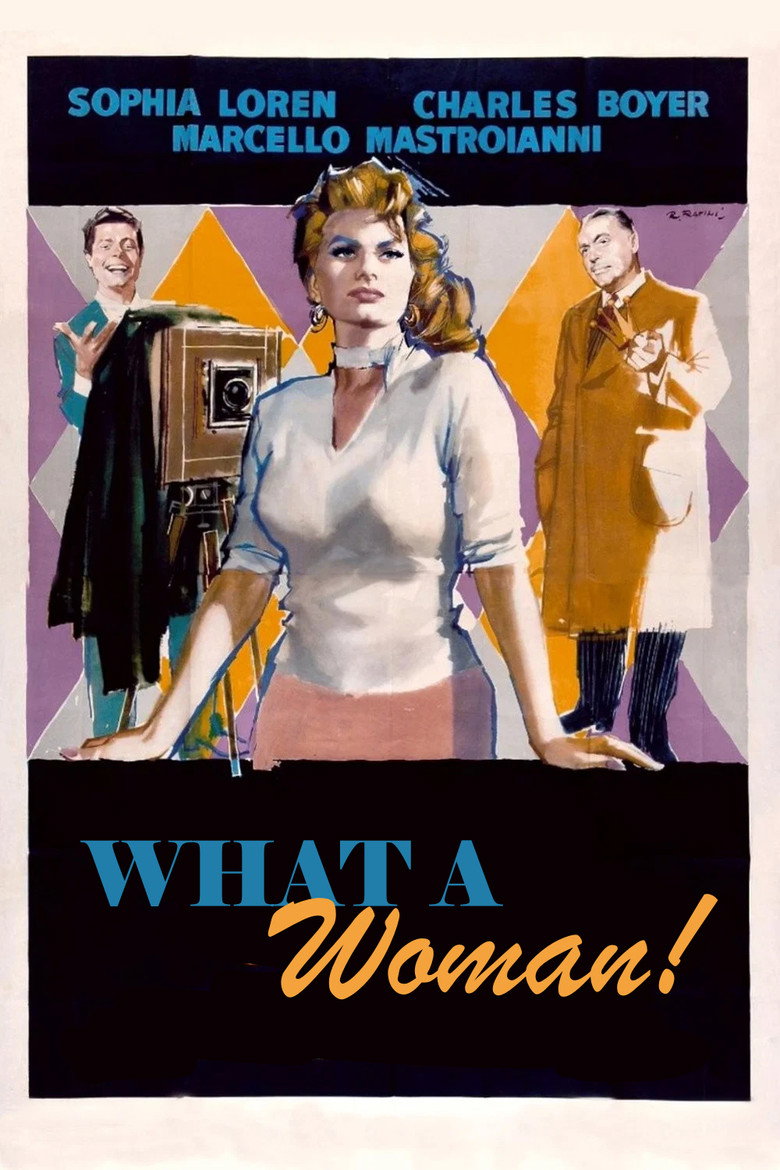
1956
Director
Alessandro Blasetti
Runtime
100 minutes
Average Rating
No ratings yetSynopsis
A photographer named Corrado snaps a picture of Antonietta. When it shows up on the front page of a magazine, she wants to take him to court over it.
Overall Score
Limited
Category Breakdown
LGBTQ+ Representation
The film lacks any evidence of non-heteronormative identities or same-sex intimacy. The narrative focus remains on a conventional interpersonal conflict.
Gender Representation
Antonietta serves as the primary driver of the plot by seeking legal recourse against a male professional. This shifts agency away from the male photographer and challenges the trope of the passive female subject.
Racial & Ethnic Diversity
The film reflects the demographic homogeneity typical of 1956 Italy. There is no evidence of intersectional casting or diverse ethnic identities used to disrupt social norms.
Religious & Cultural Diversity
The story explores the tension between individual privacy and the power of mass media. It offers a subtle critique of how institutions commodify individuals through photography.
Disability Representation
There is no information regarding the depiction of physical or neurodivergent characters in this work.
Strengths
Areas for Improvement
AI Analysis
What a Woman! is a mid-century Italian comedy that finds its strength in character agency rather than broad social representation. The film's primary progressive element is its subversion of the male gaze, as the female protagonist moves from being a mere photographic subject to an active legal agent. However, the film remains a product of its era, characterized by significant demographic homogeneity. It lacks intentionality regarding queer themes, racial diversity, or disability representation, functioning mostly within a traditional social framework. Ultimately, the film's value lies in its focus on individual autonomy against institutional media power, even if it lacks modern intersectional markers.
1966
1964
1959
1982
1967
1956
1968
1962
1955
1962
1964
1955
No reviews yet. Be the first to share your thoughts on this movie!
Use the rating form above to leave a star rating and optional review.