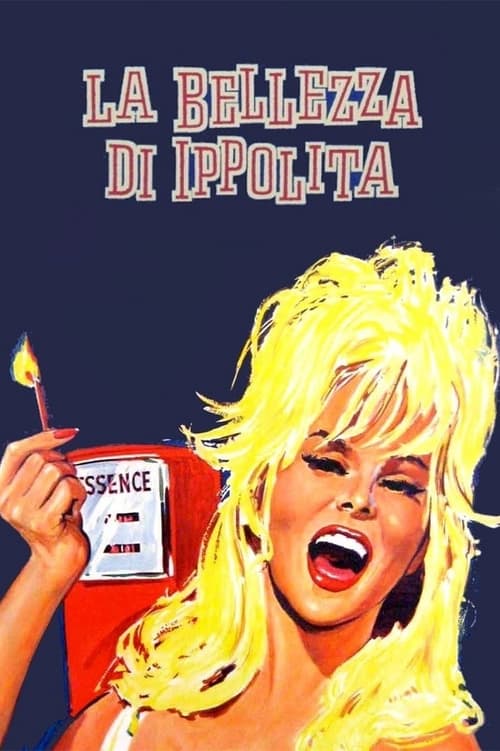
La bellezza di Ippolita
1962
No user ratings available yet
Representation score: 3.0 out of 10
Representation Score
Fair
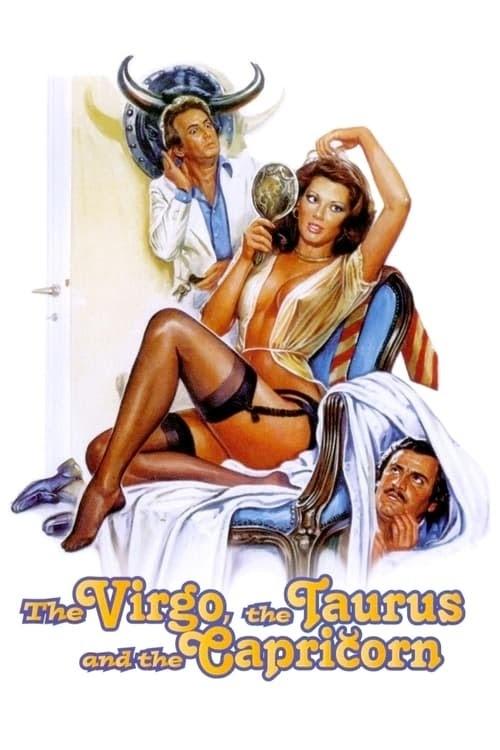
1977
Director
Luciano Martino
Runtime
92 minutes
Average Rating
No ratings yetNew Showbiz Analysis
The film operates within the highly sexualized framework of 1970s Italian comedy, focusing on the disruption of domestic stability. While it lacks racial and LGBTQ+ diversity, it offers a notable subversion of gendered power dynamics. By centering the plot on a woman's proactive retaliation against marital infidelity, the film challenges the era's conventional depiction of the wronged wife. This shift toward female empowerment provides a layer of social liberation despite the film's narrow demographic scope. Ultimately, the work rejects conservative moralism in favor of a more chaotic, liberated social landscape. It trades institutionalized marital vows for a narrative driven by personal desire and retribution.
Category Breakdown
The story centers on heterosexual relationships and infidelity, with no representation of queer identities or non-cisgender narratives.
Gioia transforms from a passive victim to an active participant in her own sexual vengeance after her husband's infidelity.
The film showcases a homogeneous Mediterranean population typical of Italian comedies, with no representation of racial diversity or non-white actors.
The plot questions traditional family values through themes of infidelity and revenge, favoring personal satisfaction over strict moral codes.
There is no mention of characters with physical or neurodivergent disabilities in the narrative.
Present on Screen
Limited or Absent
Official Synopsis
Distressed that her wayward husband, Gianni (Alberto Lionello), forsakes her favors and seduces a series of other women, drop-dead gorgeous Gioia (Edwige Fenech) turns to handsome lothario Patrizio (Ray Lovelock) to help her get revenge. Will her enthusiastic affair help Gianni see the error of his ways? Luciano Martino directs this saucy comedy that also stars Aldo Maccione, Alvaro Vitali and Olga Bisera.
1962
1973
1963
1976
1975
1990
1958

1976
No reviews yet. Be the first to share your thoughts on this movie!
Use the rating form above to leave a star rating and optional review.