
Our Brothers
2022
No user ratings available yet
Diversity score: 6.3 out of 10
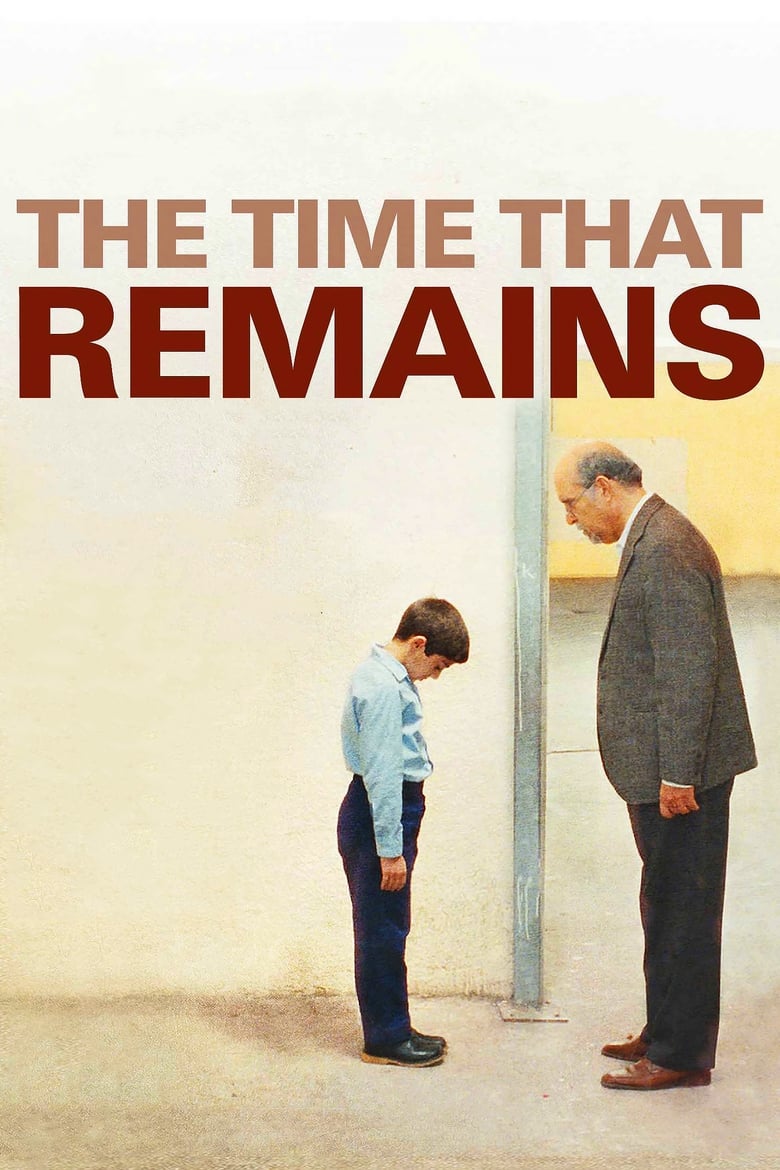
2009
PG-13Director
Elia Suleiman
Runtime
109 minutes
Average Rating
No ratings yetSynopsis
An examination of the creation of the state of Israel in 1948 through to the present day. A semi-biographic film, in four chapters, about a family spanning from 1948 until recent times. Combined with intimate memories of each member, the film attempts to portray the daily life of those Palestinians who remained in their land and were labelled "Israeli-Arabs," living as a minority in their own homeland.
Overall Score
Good
Category Breakdown
LGBTQ+ Representation
The film focuses on national identity and territoriality rather than non-cisnormative narratives. There are no explicit LGBTQ+ characters or themes present in the vignettes.
Gender Representation
Gender is portrayed through the lens of domesticity and physical movement restrictions. The film avoids reinforcing patriarchal dominance, focusing instead on the collective vulnerability of the community.
Racial & Ethnic Diversity
The work excels by centering a predominantly Palestinian cast and the specific 'Israeli-Arab' identity. It disrupts Western-centric gazes by making a marginalized population the central subject.
Religious & Cultural Diversity
The narrative provides a profound critique of geopolitical power structures and military authorities. It uses surrealism to deconstruct the status quo and institutional authority.
Disability Representation
There is no significant evidence of characters with visible or invisible disabilities. The narrative focus remains on the political and psychological condition of the collective.
Strengths
Areas for Improvement
AI Analysis
Elia Suleiman’s work is a sophisticated post-colonial critique that prioritizes ethnic and cultural authenticity over individual identity politics. By centering the Palestinian experience, the film successfully challenges traditional Western-centric storytelling and institutional power structures. While the film achieves high marks for racial and cultural representation, it lacks depth in other areas of identity. LGBTQ+ and disability themes are largely unaddressed, as the narrative architecture favors a broader political and ethnographic focus. Ultimately, the film's strength lies in its radical centering of a specific marginalized identity. It uses absurdity and surrealism to navigate complex landscapes, making it a powerful study of life under occupation.
2022
2005
2016
2006
2006
1989
1985
2010

2021
2007
1995
2021
No reviews yet. Be the first to share your thoughts on this movie!
Use the rating form above to leave a star rating and optional review.