
1922
1978
No user ratings available yet
Representation score: 4.8 out of 10

Representation Score
Fair
2021
NRDirector
Grigoris Karantinakis
Runtime
138 minutes
Average Rating
No ratings yetNew Showbiz Analysis
Smyrna (2021) successfully presents a narrative that emphasizes ethnic and cultural complexity. By focusing on the Greek and Armenian communities during the 1922 catastrophe, the film avoids simplistic historical clichés. The work effectively portrays historical trauma through the lens of community resilience. It offers a nuanced perspective on how diverse identities navigate the collapse of social and ethnic hierarchies during systemic violence. While the film excels in ethnic representation, it lacks information regarding LGBTQ+ or disability inclusion. Gender roles appear tied to historical family structures, which may limit women’s roles to traditional domestic duties.
Category Breakdown
The film does not provide any clear examples of non-binary gender identities or LGBTQ+ narratives. There is no indication that the story addresses issues related to the assumption that everyone is straight or cisgender.
The narrative likely highlights the resilience of women within displaced populations. However, the roles of women may remain confined to traditional domestic roles within the family.
The film focuses on the coexistence and conflict between Greek and Armenian communities. This emphasis disrupts monolithic historical views by showcasing a multi-ethnic urban environment.
The story examines the destruction of a specific cultural center and the breakdown of social orders. It criticizes the violent imposition of nationalist or imperialist structures.
There is no verifiable evidence regarding the depiction of physical or neurodivergent disabilities in this work.
Present on Screen
Limited or Absent
Official Synopsis
Members of the Baltatzis family recount the 1922 burning of Smyrna, Greece, including the assault on vibrant Greek and Armenian communities.
1978

2004
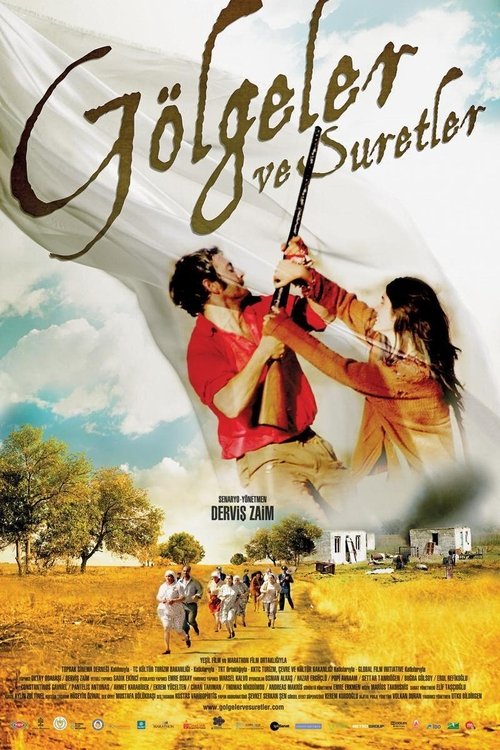
2010
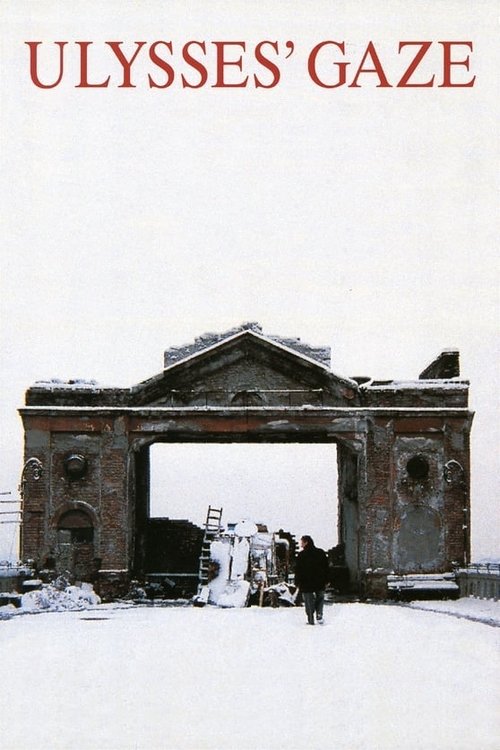
1995

2011
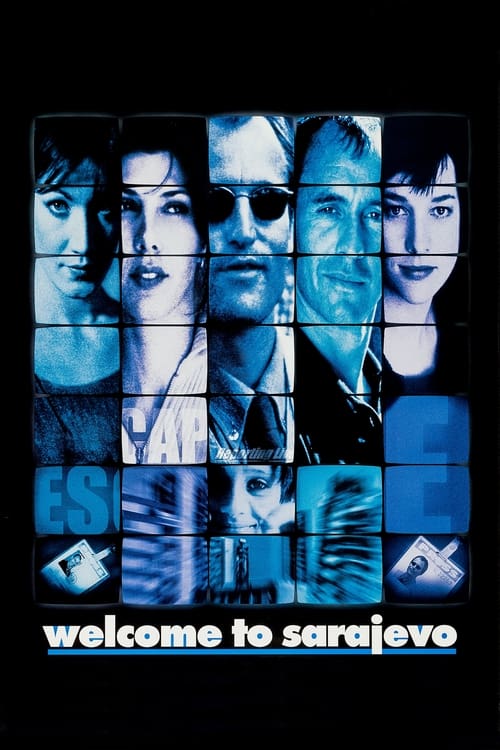
1997

2015
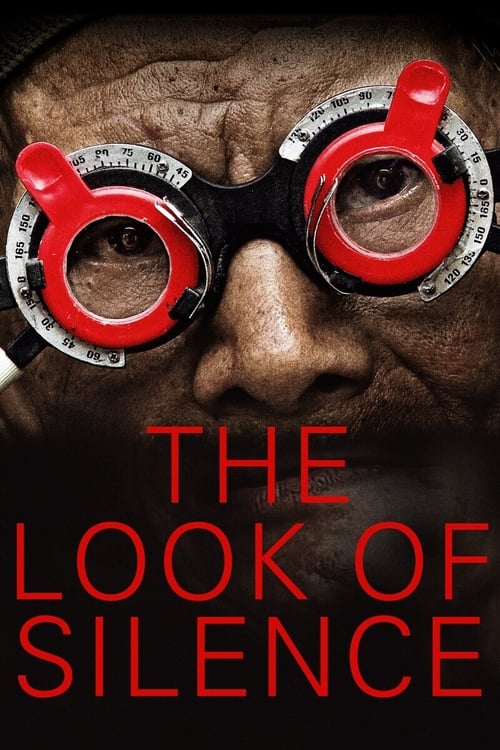
2014
No reviews yet. Be the first to share your thoughts on this movie!
Use the rating form above to leave a star rating and optional review.