
Parzania
2005
No user ratings available yet
Representation score: 4.8 out of 10
Representation Score
Excellent
2005
Not RatedDirector
Shonali Bose
Runtime
102 minutes
Average Rating
No ratings yetNew Showbiz Analysis
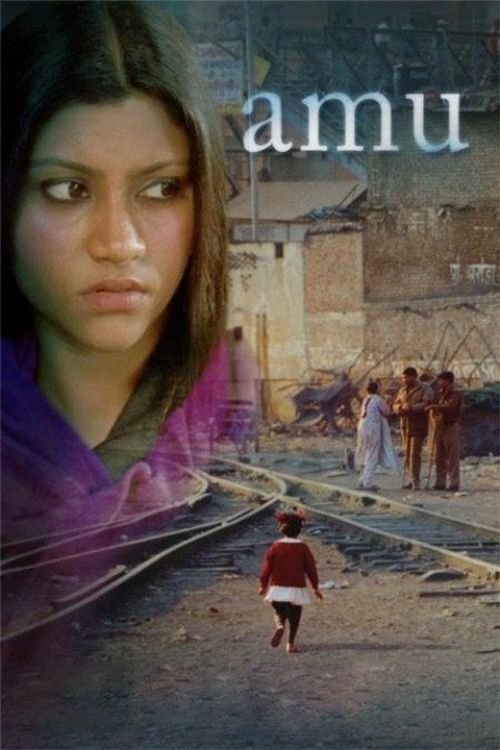
Amu is a sophisticated exploration of how historical atrocities and systemic violence shape individual identity. It succeeds by centering a female perspective and providing an authentic, non-Westernized look at the Indian diaspora and its connection to ancestral history. The film's strength lies in its refusal to simplify complex cultural and racial histories. By using a dual-timeline structure to examine genocide, it moves beyond simple inclusion to offer a deep critique of how national identities are constructed and suppressed. However, the film remains limited in its scope regarding explicit representation of LGBTQ+ identities and physical disabilities. While it masterfully handles psychological trauma, it stays within more traditional domestic and familial frameworks.
Category Breakdown
The film focuses on domestic and psychological landscapes rather than explicit LGBTQ+ storylines. It lacks characters that actively question traditional assumptions about straight relationships, staying centered on conventional family structures.
The film emphasizes the female perspective by focusing on the protagonist's internal life and her role in driving the story. It challenges traditional gender hierarchies by making female emotional intelligence the main force behind the investigation.
The movie offers an authentic depiction of Indian identity and the experiences of those in the Indian diaspora. By centering an Indian-American viewpoint, it avoids Western-centric clichés and challenges simplified views of national identity.
The story delves into post-colonial themes and the scars of state-sanctioned violence. It deconstructs sanitized national histories by examining the trauma of genocide and systemic corruption.
There is no explicit focus on physical or neurodivergent disabilities. However, the film explores the cognitive impact of historical trauma and the invisible weight of grief.
Present on Screen
Limited or Absent
Official Synopsis
Amu is the story of Kaju, a twenty-one-year-old Indian American woman who returns to India to visit her family and discover the place where she was born. The film takes a dark turn as Kaju stumbles against secrets and lies from her past. A horrifying genocide that took place twenty years ago turns out to hold the key to her mysterious origins.
2005

1985
2015

2010

2018
2014

2010

2005
No reviews yet. Be the first to share your thoughts on this movie!
Use the rating form above to leave a star rating and optional review.