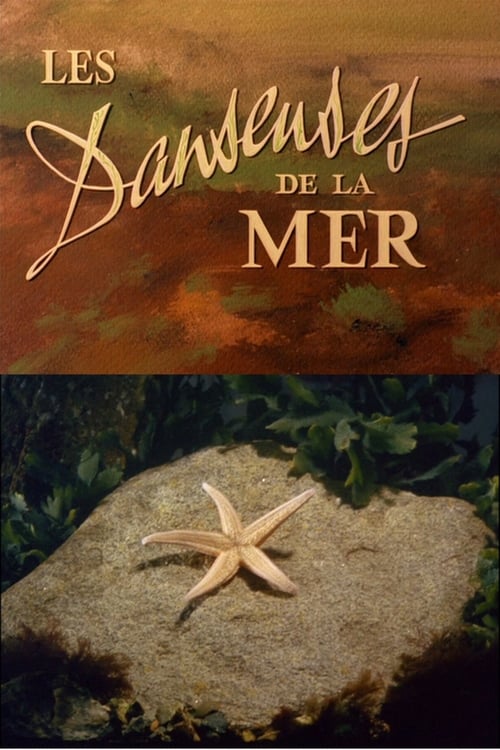
Sea Ballerinas
1956
No user ratings available yet
Representation score: 5.4 out of 10
Representation Score
Limited
1960
Director
Jean Painlevé, Geneviève Hamon
Runtime
14 minutes
Average Rating
No ratings yetNew Showbiz Analysis
Jean Painlevé’s documentary provides a specialized examination of marine life, emphasizing scientific observation over human social dynamics. The film challenges traditional biological norms through its depiction of asexual reproduction and self-fertilization. However, it does not address human-centric diversity metrics due to its non-human focus. Ultimately, the work succeeds in offering a secular, non-anthropocentric view of nature.
Category Breakdown
The film examines non-traditional reproductive methods such as budding and self-fertilization in marine life. These processes challenge conventional biological models but do not address human LGBTQ+ issues.
By focusing on non-human organisms, the documentary avoids traditional gendered clichés and domestic roles found in human-centric narratives.
Since the film focuses solely on marine biology, there are no human characters to depict racial or ethnic diversity.
Promoting a secular, scientific worldview, the film highlights the unique biological realities of marine life, challenging anthropocentric perspectives.
With no human characters, the film does not include any representation of disabilities or use them as narrative devices.
Present on Screen
Limited or Absent
Official Synopsis
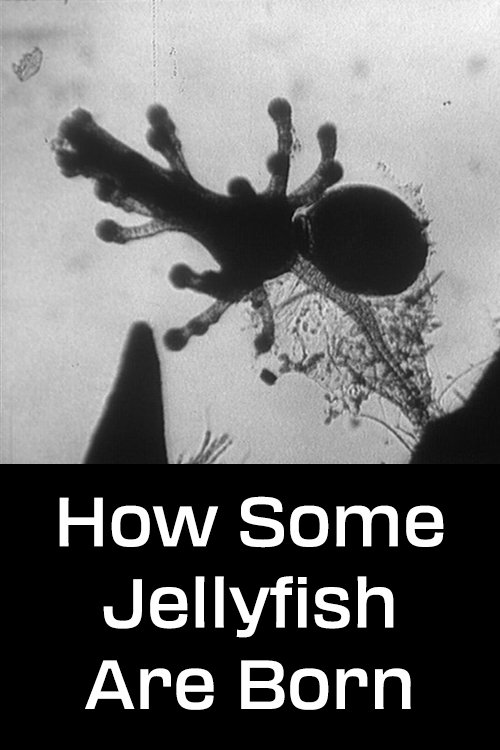
At a marine biology station, a clump of algae reveals polyps, stomachs with limbs, limbs with buds, buds with poison cells. This animal reproduces by buds, which we watch close up in time-lapse images. In another kind of jellyfish, the buds grow inside then live outside for a few days until being on their own. Another produces eggs, sometimes self-fertilized. Some single eggs become buds with colonies. Another clump gathered at low tide consists of filaments of a colony - plumes with poison ends. In images taking 72 hours, we see filaments grow and produce a feeding organ from which a plume emerges. New jellyfish emerge from buds twice a day at set times to form a new colonies.
1956
1996
1967
2013
1972

2010
1954
1935
No reviews yet. Be the first to share your thoughts on this movie!
Use the rating form above to leave a star rating and optional review.