How Some Jellyfish Are Born
1960
No user ratings available yet
Representation score: 3.3 out of 10
Representation Score
Fair
1956
Director
Jean Painlevé, Geneviève Hamon
Runtime
13 minutes
Average Rating
No ratings yetNew Showbiz Analysis
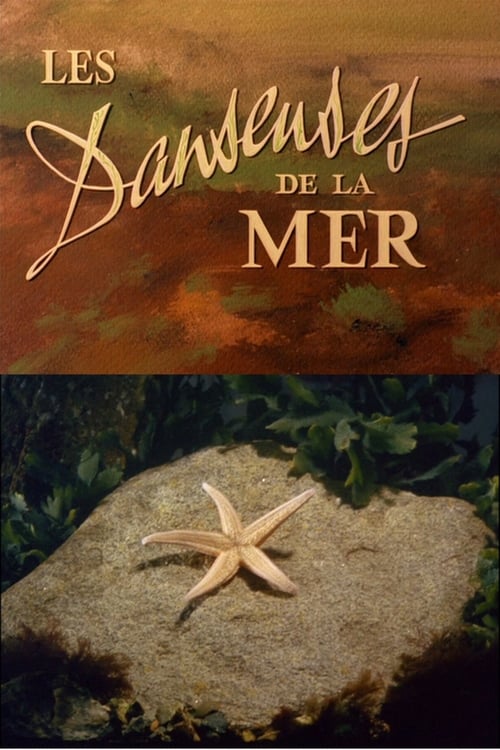
Sea Ballerinas provides a unique perspective by focusing solely on marine invertebrates, avoiding traditional social hierarchies and gendered power dynamics. Instead, it emphasizes the biological diversity and specialized adaptations of these creatures. While the documentary lacks human representation, it successfully presents a non-hierarchical, secular view of nature. It replaces human-centric storytelling with a focus on the natural world, highlighting the intricate mechanics and specialized adaptations of starfish.
Category Breakdown
The film focuses entirely on marine biology, specifically brittle and feather stars. By centering on biological reproductive processes rather than human social identities, it avoids straight-centered structures.
The film focuses on non-human organisms, avoiding traditional gender hierarchies and domestic roles. It centers on the biological functions of marine invertebrates, distributing ability to act through these functions rather than human social identities.
As a biological documentary focused on marine invertebrates, there is no human racial or ethnic diversity represented.
The film promotes a secular, scientific worldview, emphasizing biological reality and naturalistic processes over religious or moralistic interpretations of the natural world.
The film highlights the specialized physical adaptations and intricate mechanics of starfish, treating these unique biological structures as central to the organism’s function and ability to act.
Present on Screen
Limited or Absent
Official Synopsis
Two kinds of starfish, the brittle and the feather. The brittle star moves its arms alone, without the aid of suckers. Underneath is a single opening. Stalks move food close to the mouth and move waste away. We see vents, used in reproduction and breathing. We watch the hatched young expelled into the water. The camera shows us brittle stars' intricate patters. We observe feather stars in clusters, like ferns. One turns over slowly; arms have branches with stalks for breathing and gathering microscopic food. Reproductive organs are inside branches. We see eggs develop at 1,400 nature's speed. Larvae emerge, 0.1 mm long. They grow. A feather star takes a walk.
1960
1996
1954
2013
1967
2001
1972

1929
No reviews yet. Be the first to share your thoughts on this movie!
Use the rating form above to leave a star rating and optional review.