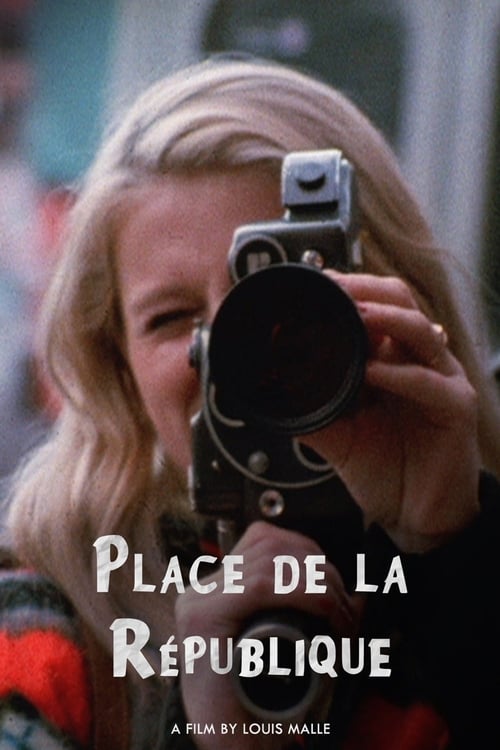
Place de la République
1974
No user ratings available yet
Diversity score: 5.5 out of 10

1962
Director
Louis Malle
Runtime
18 minutes
Average Rating
No ratings yetSynopsis
A short documentary about the 1962 Tour-de-France. Topics covered include: crowds of people and motorcycles, drinking raids and feeding, pileups, doping, "the charge," and the mountain stages.
Overall Score
Minimal
Category Breakdown
LGBTQ+ Representation
The film adheres to the rigid social frameworks of 1962. There is no depiction of non-cisnormative identities or same-sex intimacy.
Gender Representation
The narrative is centered on a masculine-coded environment of physical endurance. Women appear only as spectators or domestic figures on the periphery.
Racial & Ethnic Diversity
Participants are overwhelmingly white and European, reflecting the historical context of the era. The film presents a homogeneous view of the sporting world.
Religious & Cultural Diversity
The documentary serves as an observational study of a Western institution. It focuses on professional sporting hierarchies and discipline rather than cultural critique.
Disability Representation
Physical struggle is framed strictly through athletic performance. No characters with visible or invisible disabilities are portrayed with agency.
Strengths
Areas for Improvement
AI Analysis
Vive Le Tour functions as a period-specific observational document of the 1962 Tour de France. It prioritizes the 'cinema of the real' over social representation, capturing the grit of professional cycling through a lens of traditionalism. The film reflects the social constraints of its era, presenting a homogeneous view of masculinity and European identity. It lacks intersectional diversity, focusing instead on the discipline and suffering inherent in the sport. Ultimately, the work offers little progressive subversion, acting as a window into a specific, historically narrow sporting culture.
1974
2014
2015
1975
1971
1895
2010
1924

1958
1896
1896
1896
No reviews yet. Be the first to share your thoughts on this movie!
Use the rating form above to leave a star rating and optional review.