Rough Cut and Ready Dubbed
1982
No user ratings available yet
Representation score: 8.3 out of 10
Representation Score
Good
1981
Director
Joe Massot
Runtime
85 minutes
Average Rating
No ratings yetNew Showbiz Analysis
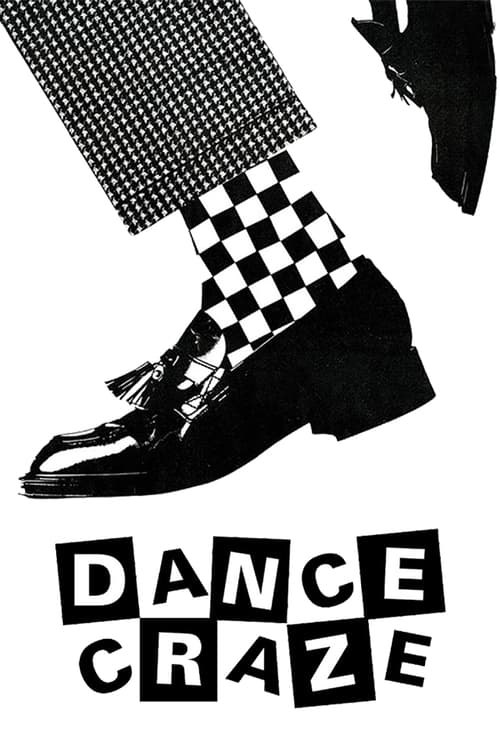
Dance Craze serves as a vital ethnographic document of the 2-Tone ska revival. It captures a unique moment in English history where music acted as a primary vehicle for racial and cultural integration. The film's strength lies in its organic depiction of a multi-ethnic movement. By documenting the blending of Jamaican and British musical traditions, it provides a high-level example of shared ability to act and social cohesion. However, the documentary's focus on stage performers limits its depth in other areas. The visual emphasis on male musicians and the lack of specific identity narratives result in a more narrow representation of gender and LGBTQ+ identities.
Category Breakdown
The film captures the non-conformist, fluid atmosphere of the 2-Tone era's dance floors. While explicit LGBTQ narratives are not the central focus, the subculture inherently rejects straight-centered social rigidities.
The visual narrative emphasizes male performers like Madness and The Specials. While female energy is present in the audience and dance participation, the stage presence remains largely male-dominated.
The documentary excels by showcasing the multi-ethnic collective of the 2-Tone movement. It highlights the integration of Black and white musicians, blending Jamaican Ska with English punk sensibilities.
The film celebrates working-class identity and communal subcultural expression. It frames the music scene as a cohesive social structure that exists outside of mainstream religious or capitalist institutions.
There is insufficient evidence to evaluate the representation of disability. The footage focuses primarily on the high-energy, kinetic movement of the musical performances.
Present on Screen
Limited or Absent
Official Synopsis
Rocksteady to both a visual and musical documentary of the big shots of the English 2-Tone movement of the late 1970s that has the exhaustive, high-energy performances exploding onto stage. Jump, shout, twist and crawl and dance to the tunes of Ska and its anthems of its rough riders and three-minute heroes captivated in the moment of a generation of England's concrete jungles and razor blade alleys. No longer on your radio but now on stage, together, with the likes of Madness, The Specials and The Beat et al, this concert footage of an era is a must-see, rare and fascinating look into a once vibrant youth culture of working-class England and its musical dance craze.
1982
1981
2012
1980
2015
1983
1971
1977
No reviews yet. Be the first to share your thoughts on this movie!
Use the rating form above to leave a star rating and optional review.