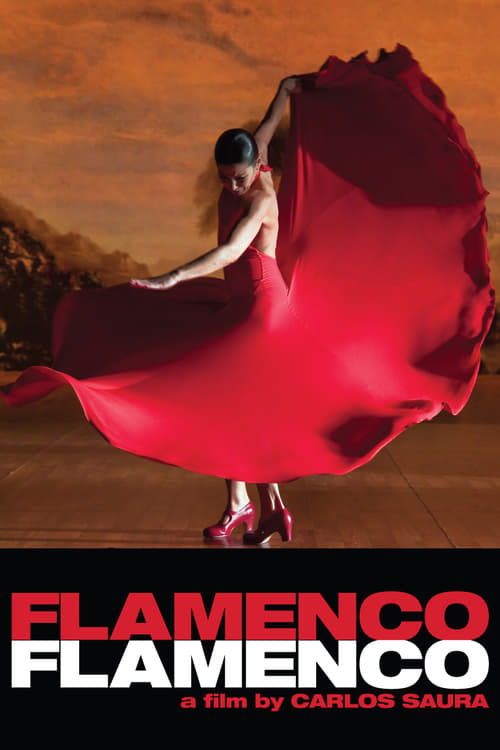
Flamenco Flamenco
2010
No user ratings available yet
Representation score: 5.2 out of 10
Representation Score
Limited
1995
Director
Carlos Saura
Runtime
100 minutes
Average Rating
No ratings yetNew Showbiz Analysis
Carlos Saura’s documentary is a formalist study of flamenco, prioritizing the technical interplay of song, guitar, and dance. It functions as an aesthetic preservation of Andalusian rhythmic structures rather than a social critique. The film achieves high marks for racial and ethnic authenticity by centering Gitano and Andalusian performers. This provides a non-Anglo-Saxon landscape that drives the film's visual and auditory identity. While gendered performance is presented with strength and ability to act, the film lacks the narrative depth to challenge traditional gender hierarchies or address LGBTQ+ identities, remaining focused on cultural preservation.
Category Breakdown
The film does not include explicit representations of LGBTQ+ identities or narratives. It does not provide a platform for queer-coded subtext or non-traditional gender expressions.
Female dancers are shown with significant physical strength and technical mastery, challenging clichés of submissive performers. However, the lack of narrative structure prevents the active deconstruction of traditional gender hierarchies.
The film excels in ethnic authenticity by centering Roma and Andalusian communities. It avoids color-blind casting, opting for deep immersion into the specific ethnic roots of the genre.
The work celebrates localized folk traditions rather than critiquing Western institutions. It prioritizes the preservation of a underrepresented cultural identity over a monolithic national narrative.
There are no central depictions of physical or neurodivergent disabilities. The focus remains on the physical prowess of the performers without using disability as a narrative device.
Present on Screen
Limited or Absent
Official Synopsis
The film presents thirteen rhythms of flamenco, each with song, guitar, and dance: the up-tempo bularías, a brooding farruca, an anguished martinete, and a satiric fandango de huelva. There are tangos, a taranta, alegrías, siguiriyas, soleás, a guajira of patrician women, a petenera about a sentence to death, villancicos, and a final rumba.
2010
2011
1983
1979

2024
1996
1984
1989
No reviews yet. Be the first to share your thoughts on this movie!
Use the rating form above to leave a star rating and optional review.