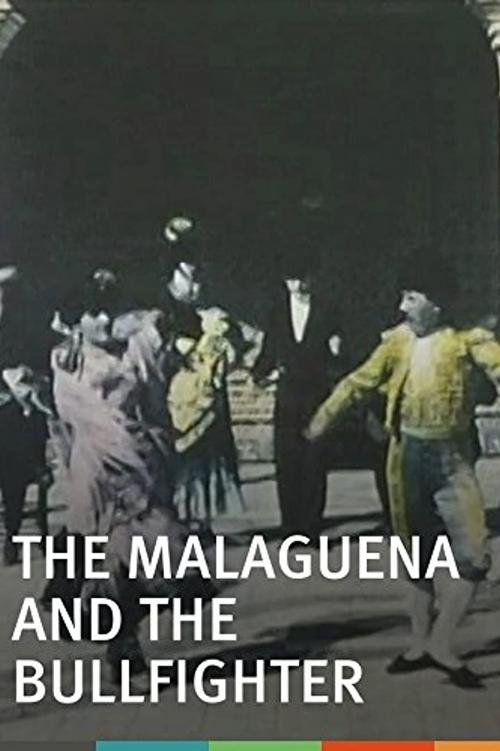
The Malagueña and the Bullfighter
1905
No user ratings available yet
Diversity score: 5.3 out of 10
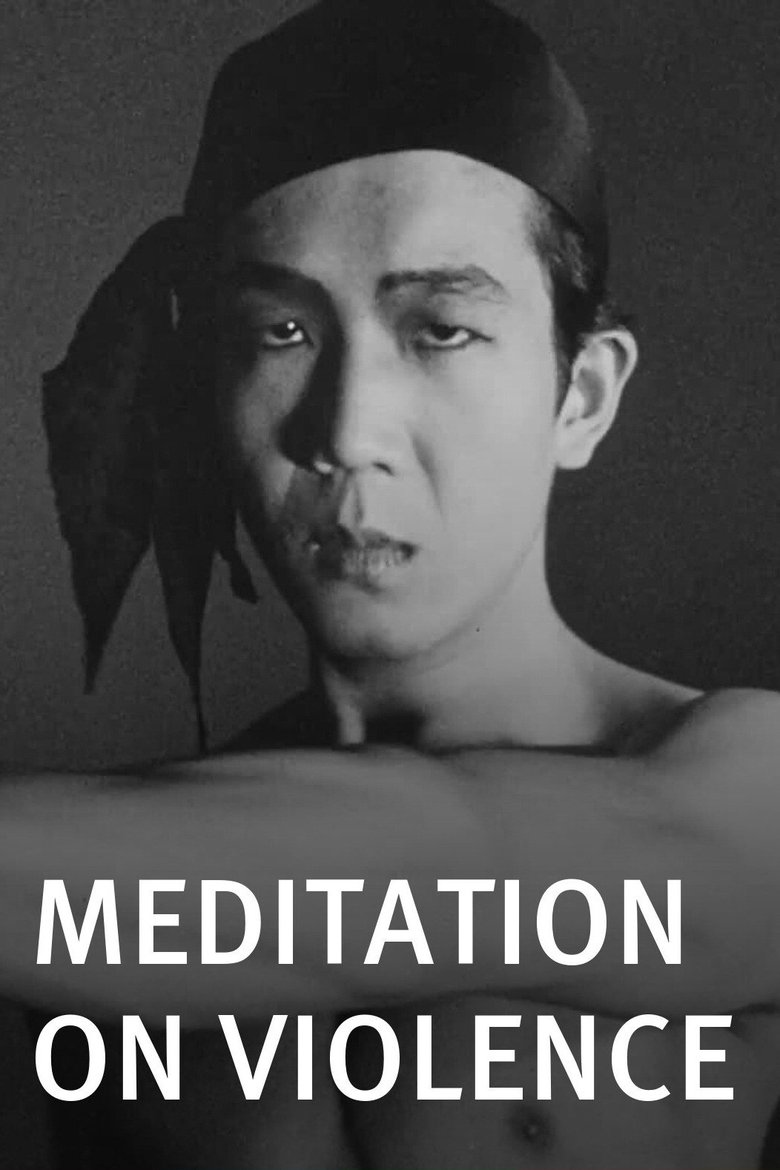
1949
Not RatedDirector
Maya Deren
Runtime
12 minutes
Average Rating
No ratings yetSynopsis
Chao-Li Chi shadow boxes indoors and practices with a sword outdoors. Theoretically, the film describes in a single continuous movement three degrees of traditional Chinese boxing, Wu-tang, Shao-lin, and Shao-lin with a sword. A long sequence of the ballet-like, sinuous Wu-tang becomes the more erratic Shao-lin; in the middle, there is an abrupt change to leaping sword movements, in the center of which, at the apogee of the leap, there is a long held freeze-frame.
Overall Score
Fair
Category Breakdown
LGBTQ+ Representation
The film functions as a formalist study of movement rather than a character-driven narrative. There is no explicit depiction of LGBTQ+ identities or non-cisnormative gender expressions.
Gender Representation
The film subverts traditional hierarchies by centering the female body in intense, aggressive physical movement. This portrayal of kinetic agency challenges conventional expectations of femininity and passive female subjects.
Racial & Ethnic Diversity
The work utilizes traditional Chinese martial arts, such as Wu-tang and Shao-lin, as its central vocabulary. It offers cross-cultural engagement through these non-Western physical traditions.
Religious & Cultural Diversity
The film prioritizes subjective experience and the abstraction of violence over religious didacticism. It functions as a secular, formalist inquiry into human impulse rather than a moralistic study.
Disability Representation
There are no specific depictions of visible or invisible disabilities. The film focuses on the peak of physical capability and rhythmic movement.
Strengths
Areas for Improvement
AI Analysis
Maya Deren’s work is a seminal piece of avant-garde cinema that disrupts traditional cinematic grammar. It replaces conventional narrative structures with a formalist exploration of psychological landscapes and kinetic energy. The film's strength lies in its progressive architecture, particularly in how it redefines physical agency. By focusing on the disciplined, aggressive movements of the human form, it avoids the decorative tropes often assigned to women in mid-century cinema. However, the film's abstract nature limits its engagement with specific identity politics. While it integrates non-Western movement traditions, it lacks a diverse cast or explicit character-driven narratives regarding ethnicity or LGBTQ+ identities.
1905
2012
1964

2000
2011
1990
2002
1971
2005
1972

1973
2011
No reviews yet. Be the first to share your thoughts on this movie!
Use the rating form above to leave a star rating and optional review.