Flamenco Flamenco
2010
No user ratings available yet
Representation score: 5.2 out of 10
Representation Score
Good
2005
Director
Carlos Saura
Runtime
120 minutes
Average Rating
No ratings yetNew Showbiz Analysis
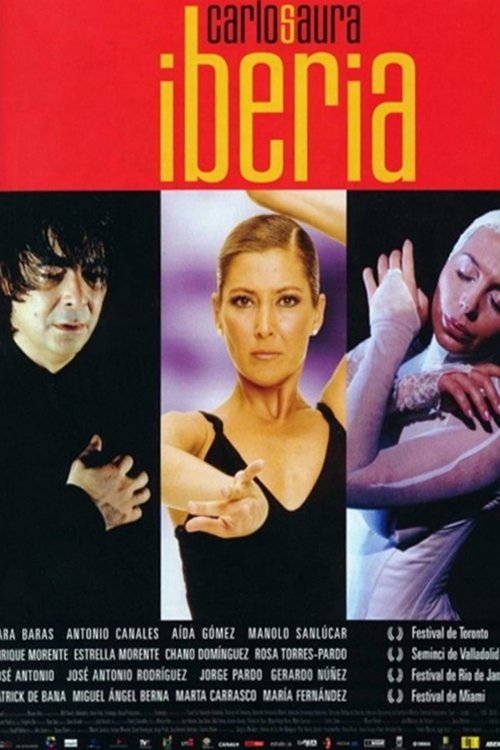
Carlos Saura’s *Iberia* is a dynamic exploration of movement that emphasizes cultural heritage over scripted dialogue. The film succeeds by placing the performers at the center, allowing them to drive the narrative through their physical expressions of Isaac Albéniz's music. The work effectively challenges Western-centric artistic norms by highlighting flamenco and Spanish dance. By blending classical ballet with contemporary styles, it creates a space where traditional gender roles and rigid performance standards are questioned. While the film excels in cultural celebration, it lacks specific representation of individuals with disabilities. However, its focus on the fluidity of dance provides a nuanced platform for diverse physical expressions.
Category Breakdown
The film allows for gender-fluid expression through the expressive movements of contemporary and flamenco dance. While there are no explicit LGBTQ narratives, the dance movements challenge traditional dance postures.
The film disrupts traditional gender hierarchies by giving equal importance to both male and female dancers. Combining classical ballet with the energetic flamenco style challenges conventional ideas of masculinity and femininity.
The film highlights Andalusian and Spanish cultural heritage by focusing on the diverse origins of flamenco. This emphasis celebrates non-Anglo-Saxon traditions and specific ethnic backgrounds.
By reinterpreting classical music through folk and contemporary lenses, the film redefines art as a dynamic, evolving entity rather than a static historical artifact.
There is no specific mention of performers with visible or invisible disabilities in the film.
Present on Screen
Limited or Absent
Official Synopsis
Adaptation of the suite "Iberia" by Isaac Albeniz. Documentary about the world of flamenco. The story arises from the music itself and those who interpret it: the musicians and dancers. The film recreates and reinvents musical pieces and merges classical ballet, contemporary and Spanish dance and flamenco
2010
2011
2016
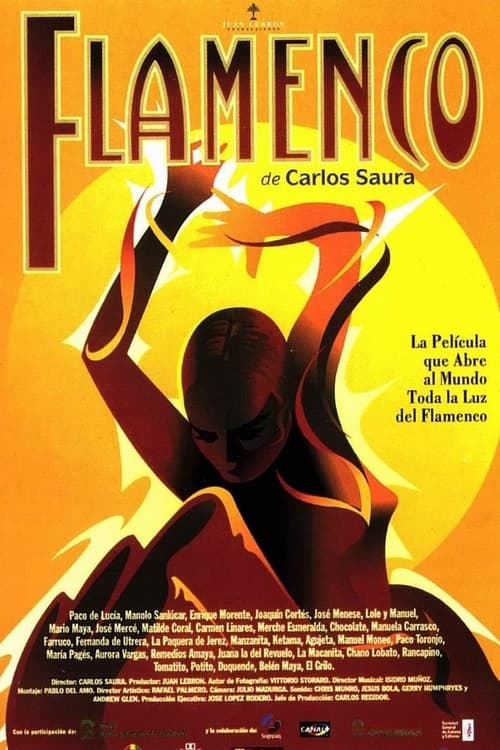
1995
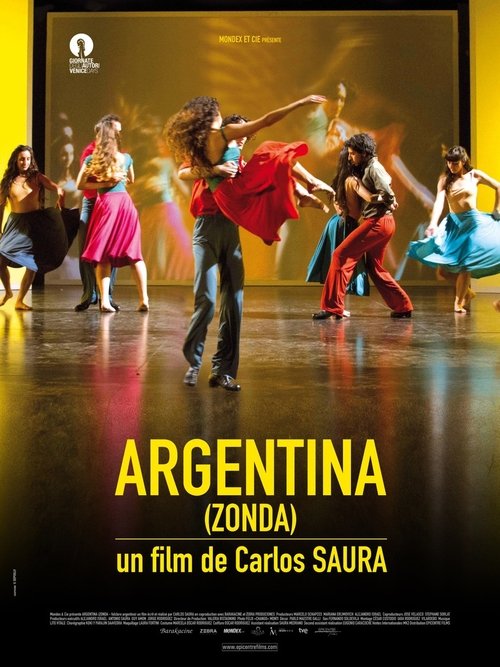
2015
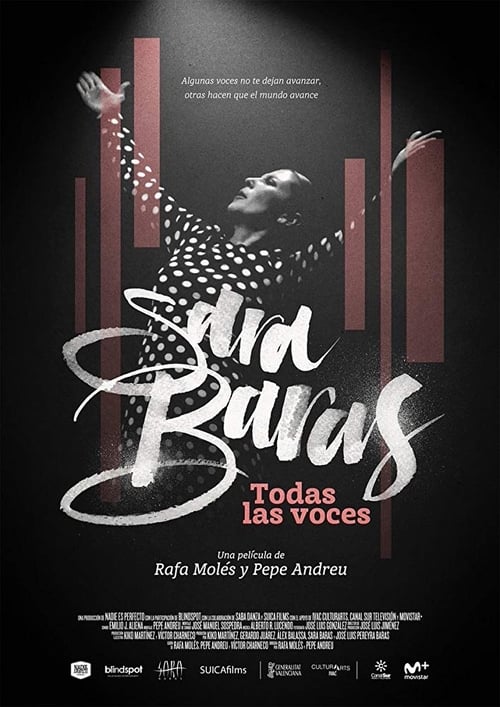
2017

1952
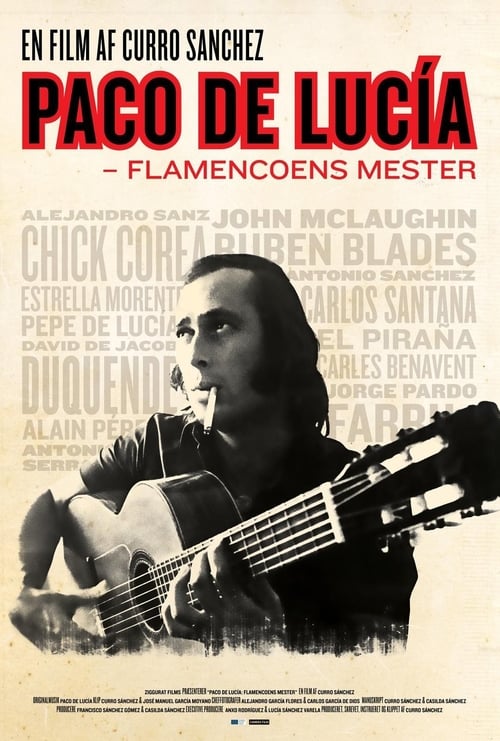
2014
No reviews yet. Be the first to share your thoughts on this movie!
Use the rating form above to leave a star rating and optional review.