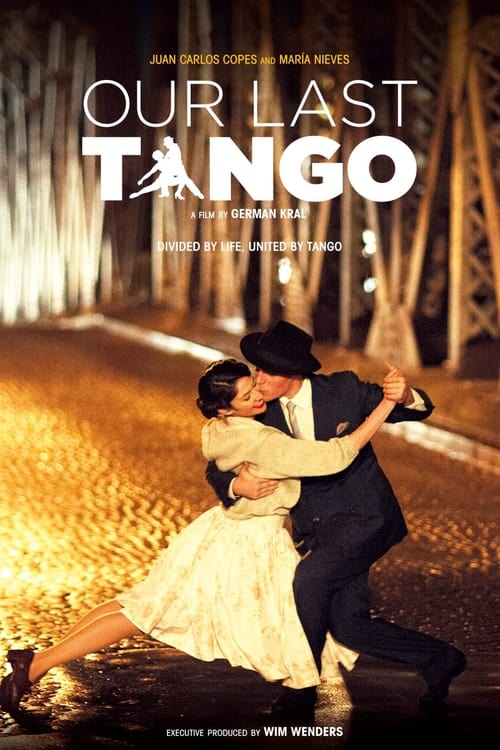
Our Last Tango
2015
No user ratings available yet
Diversity score: 6.3 out of 10
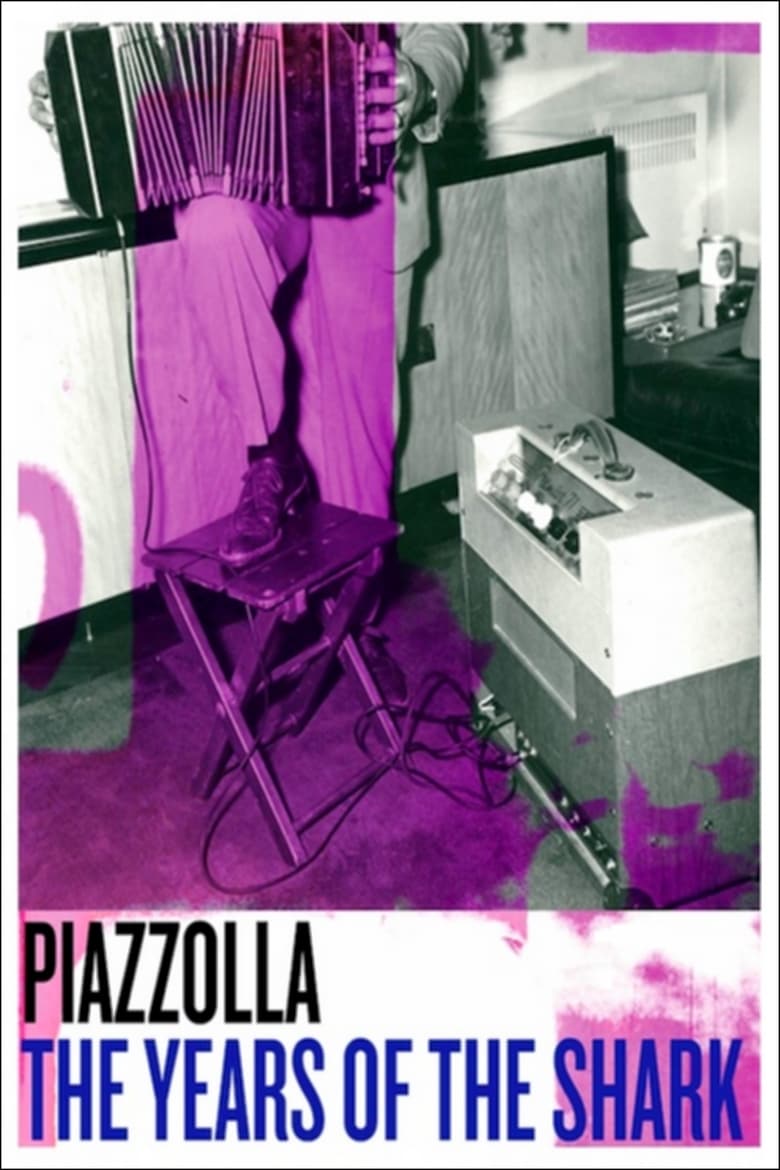
2018
Director
Daniel Rosenfeld
Runtime
90 minutes
Average Rating
No ratings yetSynopsis
A cinematic portrait of the world-wide legendary Argentinian composer who changed tango. For the first time ever, the hidden archives of bandoneón player Astor Piazzolla are opened by his son Daniel.
Overall Score
Fair
Category Breakdown
LGBTQ+ Representation
The film maintains a neutral stance regarding queer narratives. It focuses on musical evolution rather than explicit depictions of non-heteronormative relationships or private identity.
Gender Representation
The narrative centers on a male figurehead and his son. It follows a patriarchal lineage of musical inheritance without centering female agency or subverting gender hierarchies.
Racial & Ethnic Diversity
The documentary provides significant cultural depth by centering an Argentinian icon. It disrupts Western-centric norms by elevating South American musical traditions and regional identity.
Religious & Cultural Diversity
The film explores a musical revolution that challenged traditional tango norms. It uses hidden archives to uncover truths that were previously obscured by institutional gatekeeping.
Disability Representation
There is no discernible evidence regarding the portrayal of physical or neurodivergent disabilities within the archival focus.
Strengths
Areas for Improvement
AI Analysis
The documentary serves primarily as a tool for cultural preservation. It succeeds in diversifying the cinematic landscape by centering a non-Western creative genius and providing a platform for South American history. However, the film operates within a traditional biographical framework. It lacks overt engagement with contemporary identity politics, focusing instead on artistic merit and historical legacy. The representation is heavily skewed toward a patriarchal, male-centric narrative, which limits its impact on gender and social deconstruction.
2015
2005
2020
2024
2006

2000
2022
2022
1992
2021
2016
1995
No reviews yet. Be the first to share your thoughts on this movie!
Use the rating form above to leave a star rating and optional review.