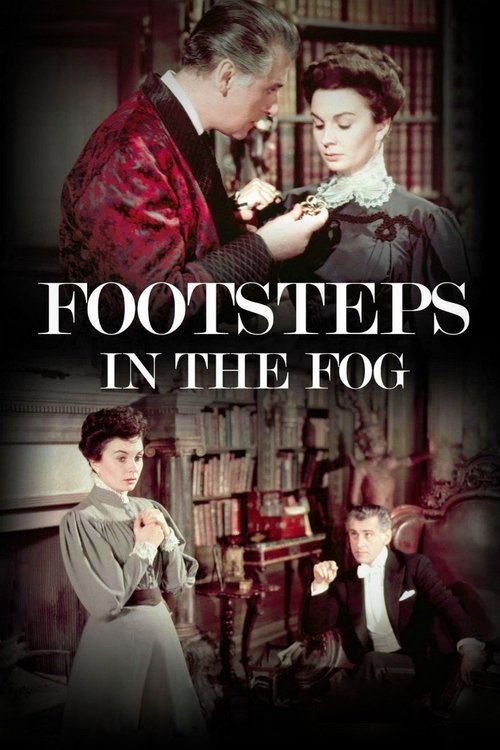
Footsteps in the Fog
1955
No user ratings available yet
Diversity score: 2.0 out of 10
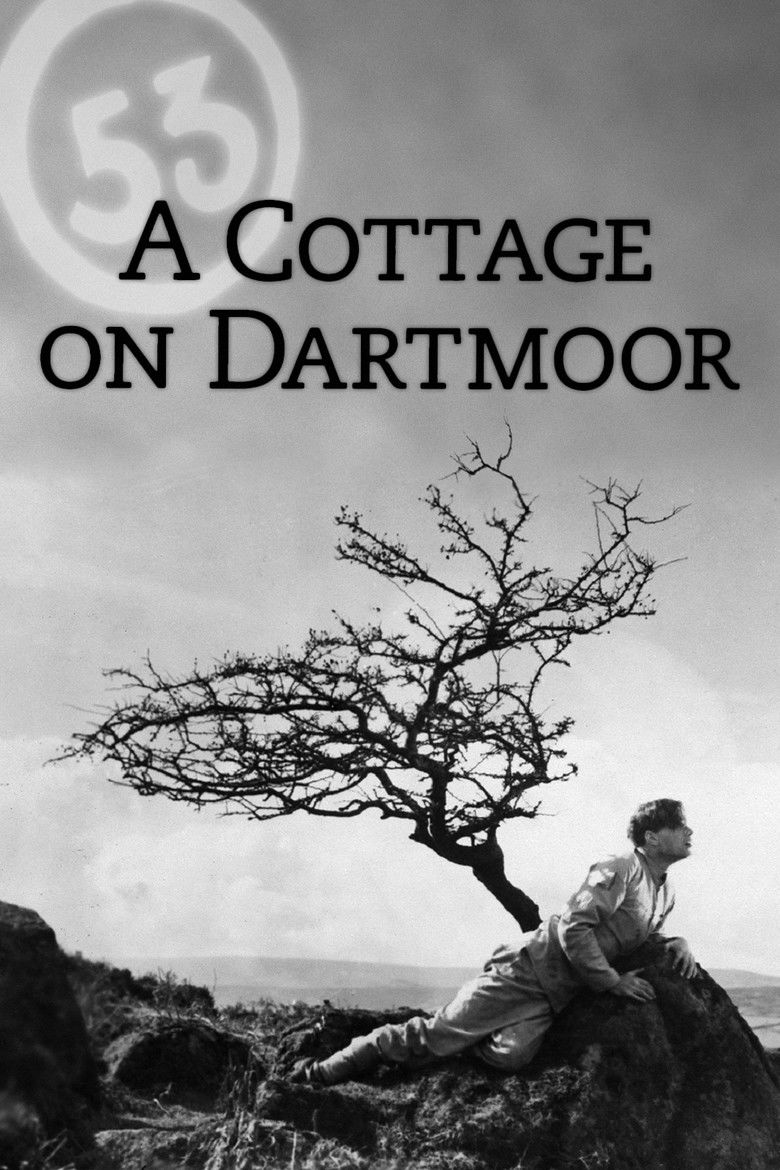
1929
NRDirector
Anthony Asquith
Runtime
88 minutes
Average Rating
No ratings yetSynopsis
A jealous barber's assistant becomes enraged by the attentions the manicurist he's obsessed with and a repeat customer pay to one another.
Overall Score
Minimal
Category Breakdown
LGBTQ+ Representation
The film focuses on a traditional romantic melodrama. There is no evidence of non-cisnormative identities or narratives that challenge heteronormativity.
Gender Representation
A female protagonist drives the plot through a web of deception. However, the story relies on conventional gendered archetypes of romantic obsession and jealousy.
Racial & Ethnic Diversity
The cast and setting reflect the homogeneous social structures of 1929 England. There is no evidence of racial blending or non-Anglo-Saxon casting.
Religious & Cultural Diversity
The narrative operates within traditional Western melodrama and established societal moralities. It reinforces social consequences within a standard British setting.
Disability Representation
There is no documented evidence of characters with visible or invisible disabilities. Disability is not utilized as a narrative device.
Strengths
Areas for Improvement
AI Analysis
As a 1929 British crime drama, the film is a product of its era, adhering strictly to the social and demographic norms of early 20th-century England. The narrative structure prioritizes psychological intensity and individual romantic obsession over any form of systemic critique or identity-based exploration. The film functions as a window into silent-era melodrama, focusing on interpersonal dynamics and criminal deception. It lacks the intentionality required to disrupt traditional hierarchies or provide meaningful intersectional representation.
No reviews yet. Be the first to share your thoughts on this movie!
Use the rating form above to leave a star rating and optional review.