
The Other Man
1994
No user ratings available yet
Diversity score: 2.8 out of 10
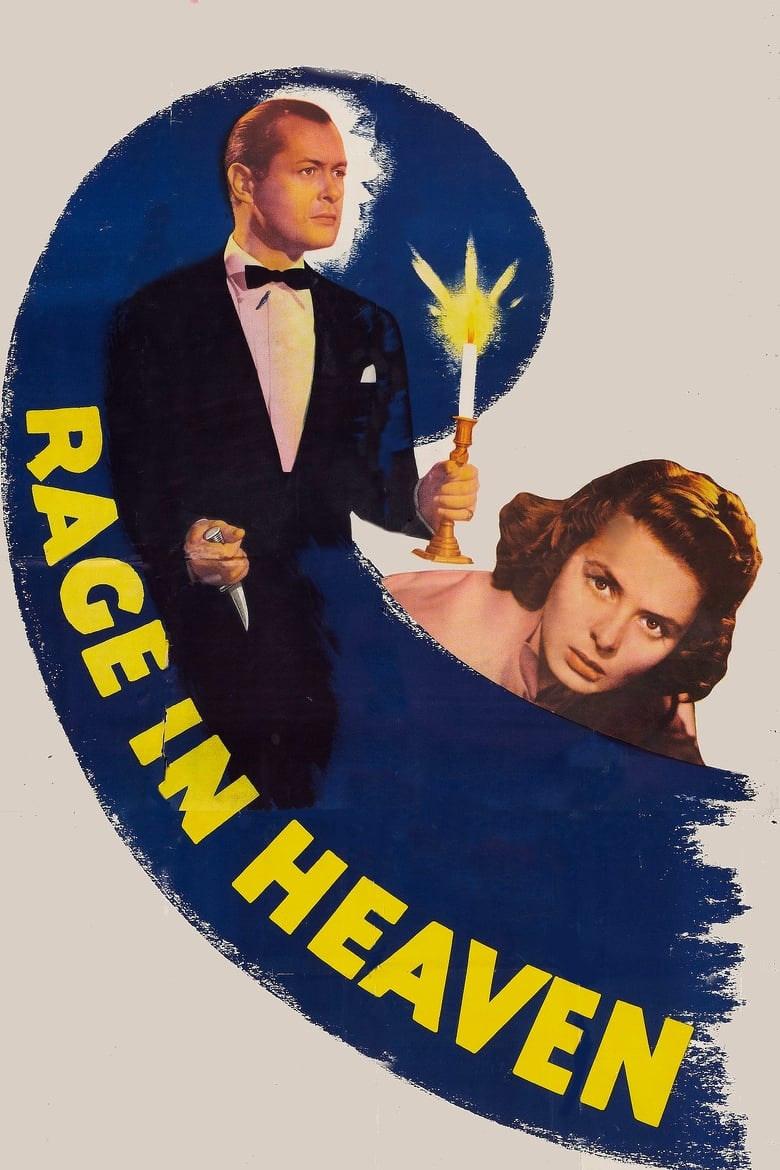
1941
NRDirector
W.S. Van Dyke
Runtime
85 minutes
Average Rating
No ratings yetSynopsis
A jealous man frames his wife's suspected lover for murder.
Overall Score
Limited
Category Breakdown
LGBTQ+ Representation
The story centers on a heteronormative triangle of jealousy and infidelity. It utilizes traditional romantic tropes without any evidence of non-cisnormative identities.
Gender Representation
Male agency drives the plot through the act of framing another man. The female character remains a vulnerable subject of suspicion rather than an autonomous driver.
Racial & Ethnic Diversity
The film likely adheres to the homogeneous casting standards of the early 1940s. The narrative architecture reflects the era's lack of racial integration.
Religious & Cultural Diversity
The drama focuses on individual morality and traditional justice. It reinforces the era's emphasis on personal responsibility and the preservation of social order.
Disability Representation
There is no information available regarding the inclusion of characters with physical or neurodivergent traits.
Strengths
Areas for Improvement
AI Analysis
Rage in Heaven is a conventional 1941 melodrama that reinforces the social hierarchies and heteronormative structures typical of the Golden Age of Hollywood. The narrative is built around a male-driven conflict of jealousy and criminal framing. The film lacks intersectional representation, focusing instead on individual morality and traditional justice. It functions as a standard period drama that prioritizes melodrama over the subversion of established cultural norms. Because the plot relies on traditional tropes of the era, it offers little in the way of progressive narrative architecture or diverse character perspectives.
1994
1952
1960
1943
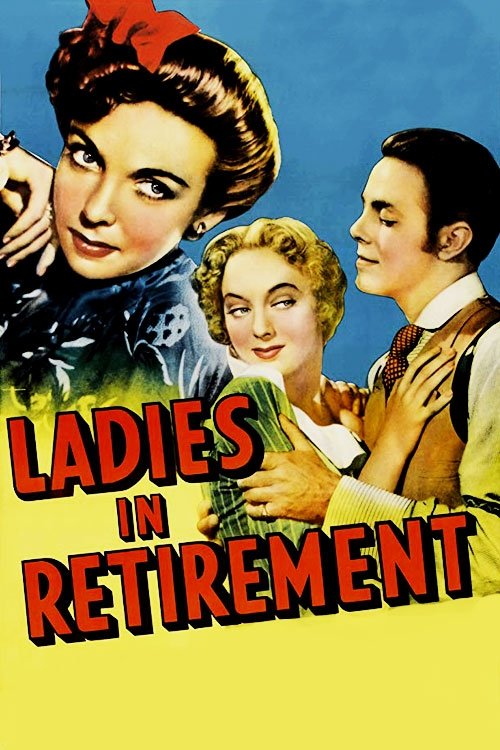
1941
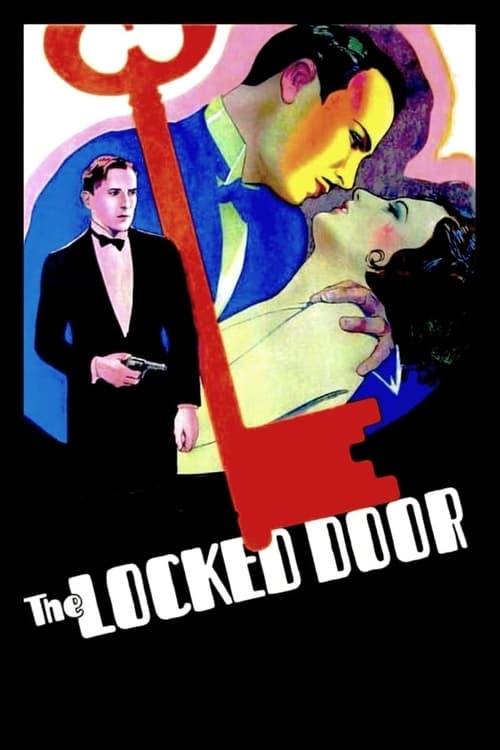
1929
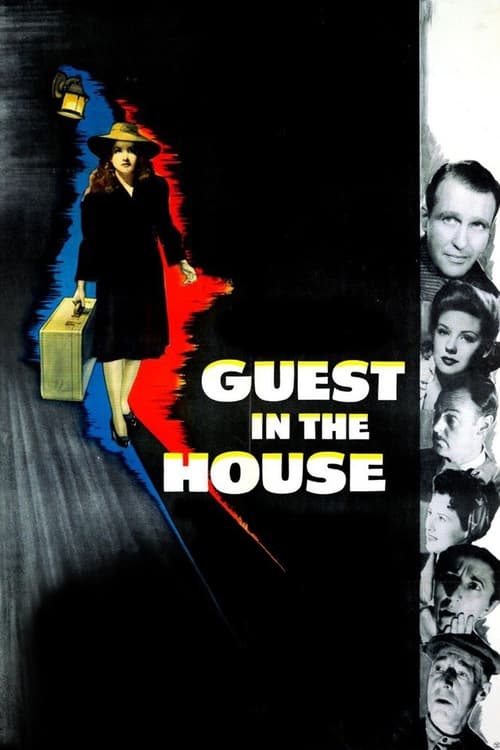
1944
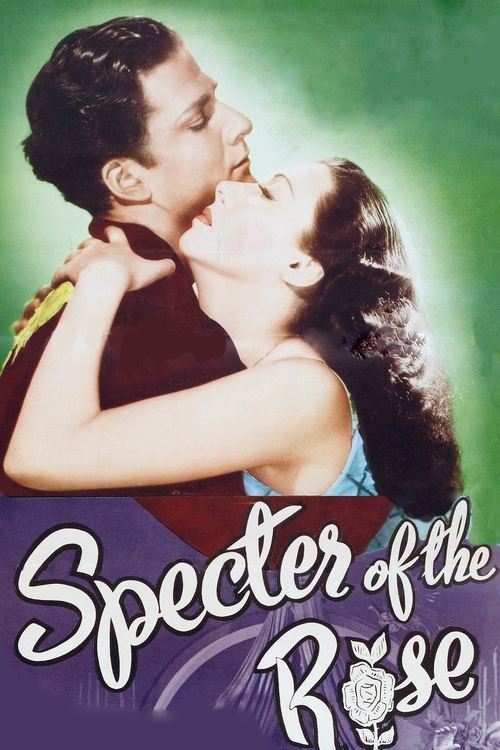
1946

1947
1944

1949
1961
No reviews yet. Be the first to share your thoughts on this movie!
Use the rating form above to leave a star rating and optional review.