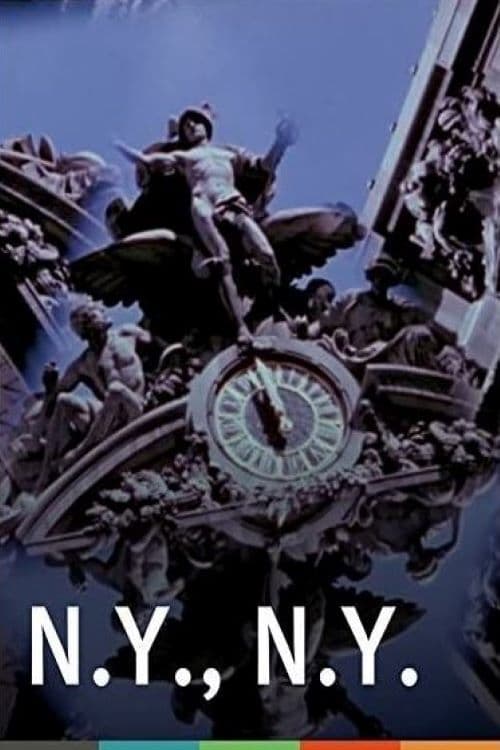
N.Y., N.Y.
1957
No user ratings available yet
Representation score: 3.1 out of 10

Representation Score
Limited
1958
Director
Shirley Clarke
Runtime
4 minutes
Average Rating
No ratings yetNew Showbiz Analysis
Shirley Clarke’s experimental short film focuses on psychological abstraction rather than broad demographic representation. While it does not include diverse racial, ethnic, or LGBTQ+ identities, it uses avant-garde techniques to challenge traditional social structures. The film’s strength lies in its narrative structure. By employing split-screen technology, it breaks down the idea of a single, dominant masculine perspective, instead presenting a fragmented view of human interaction and moral ambiguity. Ultimately, the film prioritizes intellectual and psychological complexity over social representation. It critiques mid-century domestic stability through a highly subjective, postmodern lens.
Category Breakdown
The film does not feature any LGBTQ+ characters or themes. The story focuses on a relationship between a man and a woman.
The film challenges traditional gender roles by highlighting psychological tension between genders. It uses split-screen techniques to show conflicting viewpoints, giving the woman equal influence in conversations.
The film lacks racial or ethnic diversity. It features a uniform cast set in a mid-century urban environment, without exploring multi-layered racial dynamics.
The film examines postmodern subjectivity using split-screen techniques. It questions the idealized stability of the nuclear family by presenting interpersonal conflicts as complex psychological issues.
No disabilities, visible or invisible, are shown. There are no characters with disabilities that affect the narrative or character actions.
Present on Screen
Limited or Absent
Official Synopsis
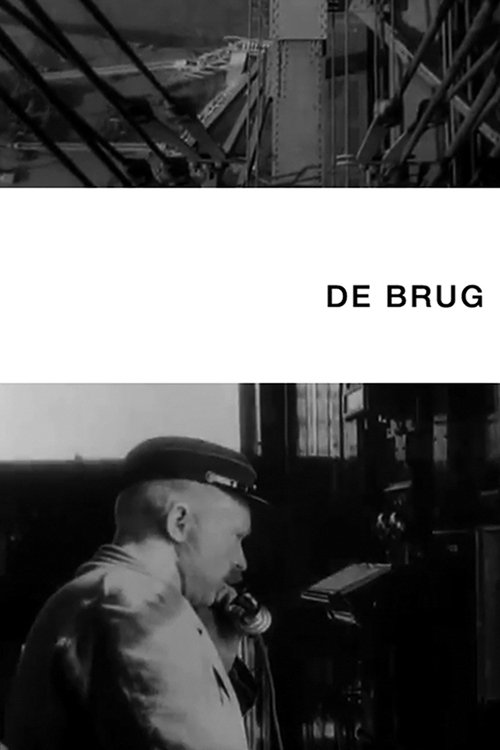
New York City’s bridges dissolve into shifting abstractions through montage, superimposition, and color. Set to an electronic score by Louis and Bebe Barron, the film transforms familiar urban structures into an uncanny, alien landscape (an alternate version of the film features a jazz score by Teo Macero).
1957
1929
1954

1927
1964
2000
1928

1928
No reviews yet. Be the first to share your thoughts on this movie!
Use the rating form above to leave a star rating and optional review.