One Second in Montreal
1969
No user ratings available yet
Representation score: 2.6 out of 10
Representation Score
Limited
1969
Director
Wim Wenders
Runtime
25 minutes
Average Rating
No ratings yetNew Showbiz Analysis
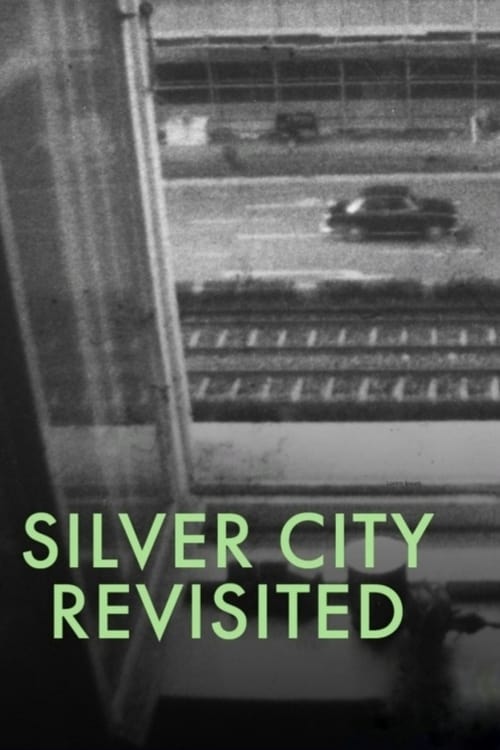
Silver City Revisited is a formalist exercise that prioritizes the cinematic gaze over traditional character-driven storytelling. Because it consists of ten discrete, three-minute shots of Munich, it lacks the narrative framework necessary to explore specific identities or social ability to act. The film's strength lies in its rejection of conventional, authoritative narratives. By deconstructing the city into disconnected moments, Wenders avoids reinforcing standard clichés related to gender or heroism, offering instead a fragmented view of the urban landscape. However, this minimalist approach results in a lack of visible representation. The absence of characters means that issues of race, gender, and LGBTQ+ identity remain unaddressed, leaving the film as a neutral study of space rather than a social commentary.
Category Breakdown
The film's observational format does not show any specific LGBTQ+ relationships or stories. While there might be hints of queer subtext in the context of 1969 Munich, the ten-shot structure does not provide any clear evidence of LGBTQ+ characters.
The documentary avoids traditional gender hierarchies by not focusing on a central cast or character-driven conflicts. However, the lack of active roles for female characters prevents a higher score, as the film remains a neutral observer.
The film captures the visual reality of Munich in 1969 without explicitly whitewashing the city. However, the era's social constraints limit the visibility of non-white individuals within the captured urban scenes.
Wenders rejects traditional Western storytelling, favoring a fragmented, postmodern perspective over linear plots. This deconstruction of the city disrupts cohesive, institutional views of the urban center in favor of an observational truth.
The focus on architectural and environmental locales provides no discernible evidence regarding the representation of physical or neurodivergent identities.
Present on Screen
Limited or Absent
Official Synopsis
A series of ten shots, three minutes in length, of various locales in Munich.
1969
1929
2012

1983
1967
2009

1981
1964
No reviews yet. Be the first to share your thoughts on this movie!
Use the rating form above to leave a star rating and optional review.