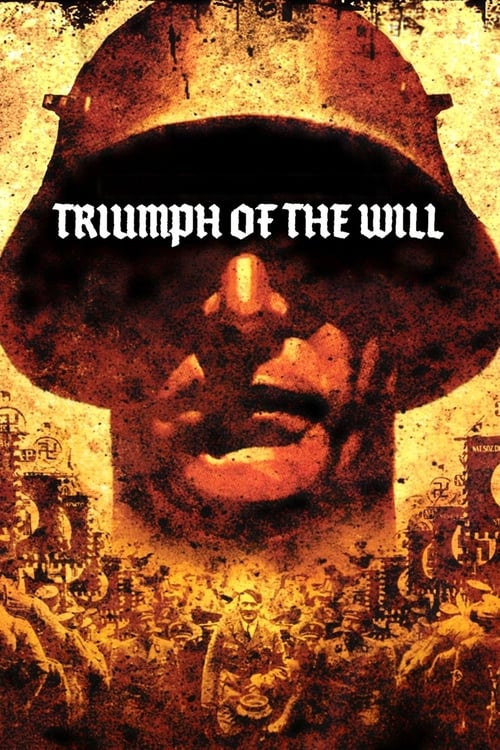
Triumph of the Will
1935
No user ratings available yet
Representation score: 0.0 out of 10
Representation Score
Minimal
1935
Director
Leni Riefenstahl
Runtime
28 minutes
Average Rating
No ratings yetNew Showbiz Analysis
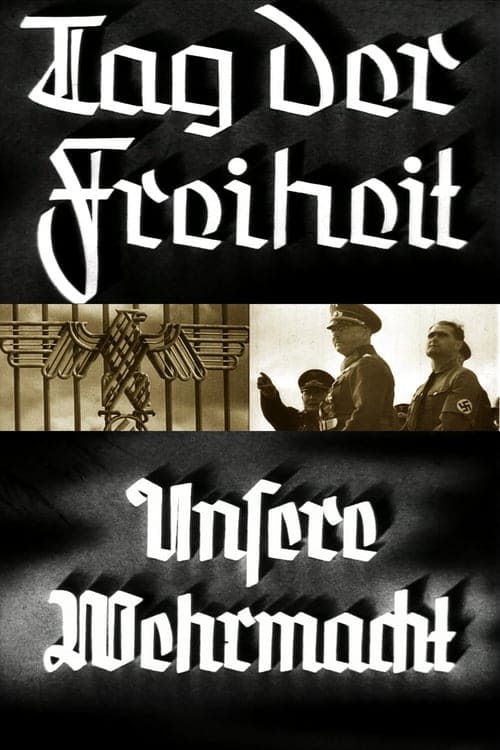
Day of Freedom (1935) serves as a tool to reinforce authoritarian social structures. It uses stylized visuals to emphasize state power and political ideology, prioritizing grandeur over individual complexity. The film's narrative is built around exclusion, celebrating a specific racial and hyper-masculine ideal while rejecting diversity in gender, ethnicity, and culture. Ultimately, it normalizes a homogeneous hierarchy and presents the state as the ultimate moral authority, leaving no room for varied social structures.
Category Breakdown
The film does not depict any LGBTQ+ identities or non-straight relationships, reinforcing a narrow view of sexuality.
Women play no significant role in driving the story, and the focus is solely on the male body as a symbol of state power.
The film promotes a single, exclusionary ethnic identity, rejecting multi-ethnic diversity.
It portrays extreme nationalism and state authority over personal beliefs, redefining traditional institutions through a radicalized lens.
The film highlights perfect, idealized bodies and excludes neurodivergence or physical disabilities.
Limited or Absent
Official Synopsis
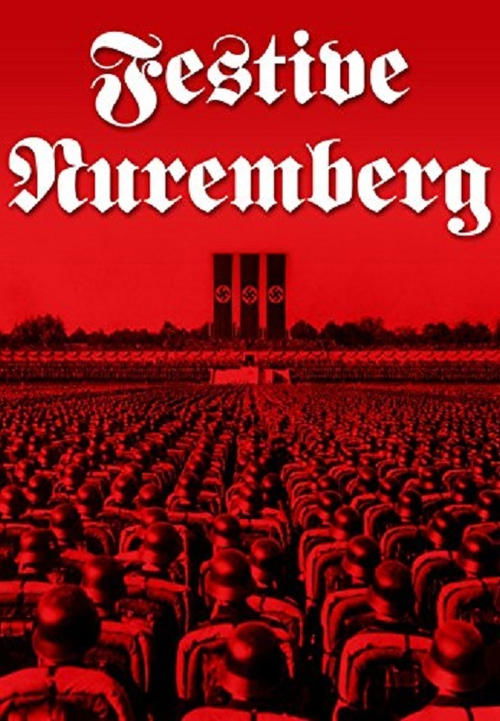
The armed forces of the Third Reich, particularly the German army, are presented as an efficient system of bodies and machines at the seventh Nazi Party Rally that occurred in Nuremberg in 1935.
1935
1938
1933

1938
1937
1936
1938
1938
No reviews yet. Be the first to share your thoughts on this movie!
Use the rating form above to leave a star rating and optional review.