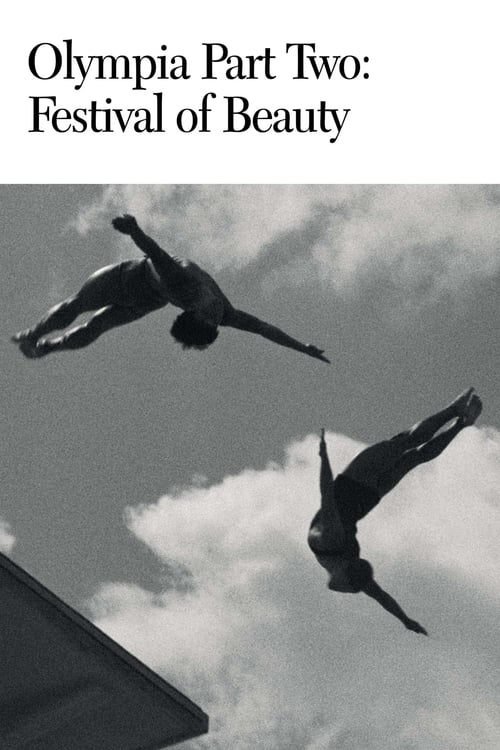
Olympia Part Two: Festival of Beauty
1938
No user ratings available yet
Representation score: 0.3 out of 10
Representation Score
Minimal
1938
NRDirector
Leni Riefenstahl
Runtime
127 minutes
Average Rating
No ratings yetNew Showbiz Analysis
Riefenstahl’s work is a technical masterpiece that reinforces the social and political hierarchies of its time. While it captures international competition, the underlying intent celebrates state authority and a rigid, traditionalist view of human perfection. The film highlights historic athletic achievements, such as Jesse Owens' performance. However, these moments exist within a visual language that often upholds exclusionary power structures rather than challenge them. Ultimately, the film lacks a nuanced understanding of diversity. It prioritizes a narrow, standardized definition of physical capability and national strength over meaningful representation of diverse human experiences.
Category Breakdown
The film assumes everyone is straight or cisgender, focusing solely on biological and athletic abilities without representing any LGBTQ+ identities.
Female athletes are visible, which was notable for the time. However, the cinematography emphasizes feminine grace and beauty rather than challenging male dominance or control over the story.
Jesse Owens' presence offers a rare moment where a person of color has significant impact. However, the visuals often highlight bodies to reinforce specific ideals of racial perfection.
The story celebrates state-driven discipline and national pride. It upholds Western institutional power and promotes a single vision of social order.
The film focuses on the ideal human form and peak performance, excluding any representation of neurodivergence or physical disabilities.
Present on Screen
Limited or Absent
Official Synopsis
Starting with a long and lyrical overture, evoking the origins of the Olympic Games in ancient Greece, Riefenstahl covers twenty-one athletic events in the first half of this two-part love letter to the human body and spirit, culminating with the marathon, where Jesse Owens became the first track and field athlete to win four gold medals in a single Olympics.
1938
1935
1935
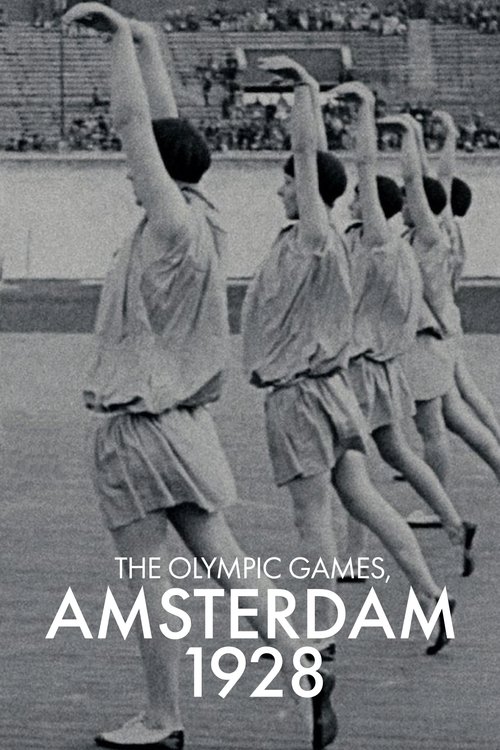
1928
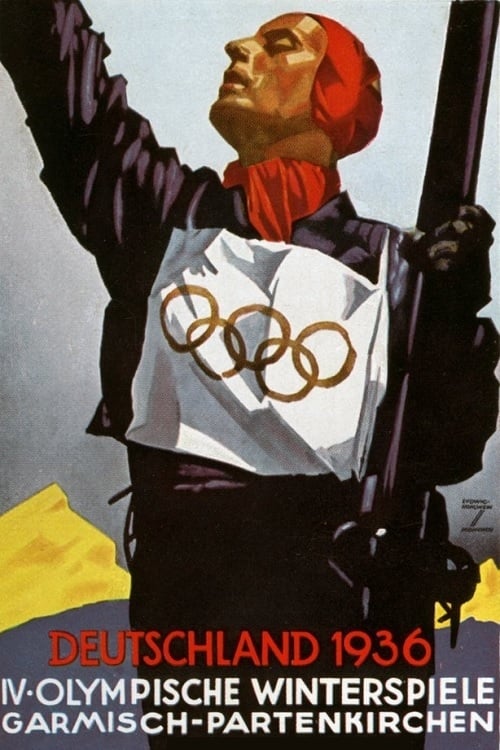
1936
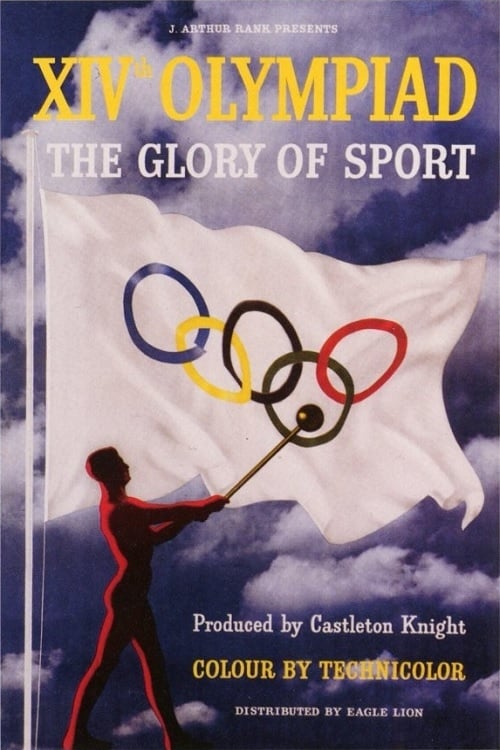
1948

1925

2017
No reviews yet. Be the first to share your thoughts on this movie!
Use the rating form above to leave a star rating and optional review.