Olympia Part One: Festival of the Nations
1938
No user ratings available yet
Representation score: 1.1 out of 10
Representation Score
Minimal
1938
NRDirector
Leni Riefenstahl
Runtime
104 minutes
Average Rating
No ratings yetNew Showbiz Analysis
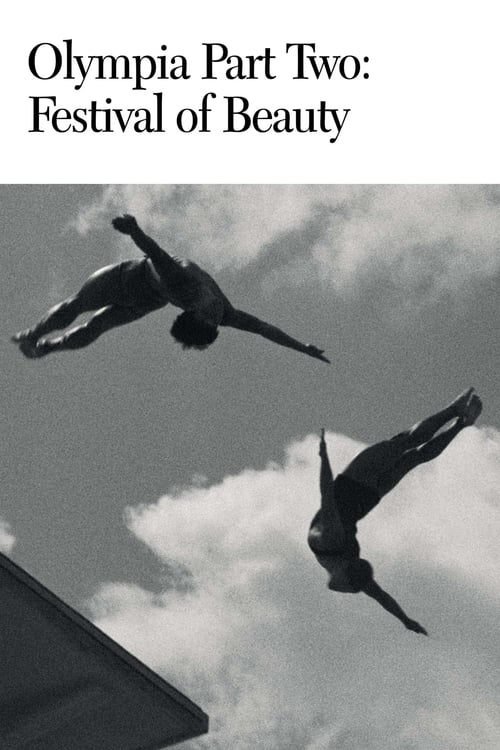
Olympia Part Two: Festival of Beauty operates as a visual tool for nationalist ideology rather than a diverse documentary. The film's structure centers around the glorification of a singular, homogeneous physical archetype. By prioritizing a specific Eurocentric and Aryan ideal, the work reinforces the racial and social hierarchies of its time. It projects order and traditionalist power through highly stylized movement and state-sponsored rituals. Ultimately, the film’s dedication to physical perfection necessitates the exclusion of underrepresented identities, including those defined by disability, race, or non-straight orientations.
Category Breakdown
The film does not include any LGBTQ narratives or non-straight identities. It emphasizes biological and athletic functions within a strict, traditional framework.
Female athletes are shown in gymnastics and diving, but they are portrayed primarily as objects of aestheticized grace. This representation reinforces traditional gender roles without giving women significant control over their own lives.
The film focuses almost entirely on a homogeneous, white, Eurocentric athletic ideal. It prioritizes a specific physical archetype, effectively excluding non-white athletes from the main storyline.
The film celebrates extreme nationalism and state-sponsored rituals. It promotes a singular, disciplined state ideology that rejects moral relativism in favor of national pride.
The film's emphasis on the idealized human form excludes any depiction of physical or neurodivergent variations. Only subjects that fit narrow standards of physical capability are featured.
Present on Screen
Limited or Absent
Official Synopsis
Part two of Leni Riefenstahl's monumental examination of the 1938 Olympic Games, the cameras leave the main stadium and venture into the many halls and fields deployed for such sports as fencing, polo, cycling, and the modern pentathlon, which was won by American Glenn Morris.
1938
1935
1935
1936
1928
1948

1925
1933
No reviews yet. Be the first to share your thoughts on this movie!
Use the rating form above to leave a star rating and optional review.