
Triumph of the Will
1935
No user ratings available yet
Representation score: 0.0 out of 10
Representation Score
Minimal
1933
Director
Leni Riefenstahl
Runtime
67 minutes
Average Rating
No ratings yetNew Showbiz Analysis
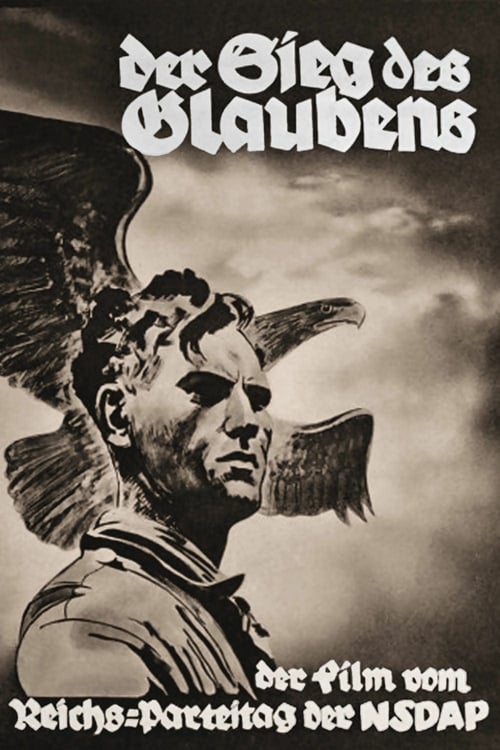
The Victory of Faith is a documentary designed to promote monolithic social structures and extreme nationalism. Its visual language reinforces state ideology through a highly stylized and technical approach to cinematography. The film dismantles the idea of multi-ethnic integration and individual ability to act by emphasizing a singular, state-mandated social order. Ultimately, the work prioritizes patriarchal command and physical perfection, marginalizing any identity that falls outside its rigid definitions.
Category Breakdown
The film reinforces traditional social hierarchies and does not include any non-binary or transgender identities. It promotes a view where everyone is assumed to be straight and cisgender.
The film focuses primarily on male leadership and military discipline. Women are shown as symbols of domesticity or motherhood and do not have significant roles in driving the story.
The documentary promotes a homogeneous, ethnocentric worldview. It celebrates a single demographic while excluding racial and ethnic diversity.
The work supports extreme nationalism and a strict moral code. It rejects cultural pluralism, presenting a singular, dogmatic political creed as the ultimate truth.
The film emphasizes idealized human forms and physical perfection. It does not represent neurodivergence or physical disabilities.
Present on Screen
Limited or Absent
Official Synopsis
Follows the Fifth Nazi Party Rally (Nuremberg, 30 August–3 September 1933) and shows the then close relationship between Adolf Hitler and Ernest Rõhm.
1935

1938
1935
1937

1938

1938
1938
1933
No reviews yet. Be the first to share your thoughts on this movie!
Use the rating form above to leave a star rating and optional review.