Women Without Names
1940
No user ratings available yet
Representation score: 0.6 out of 10
Representation Score
Minimal
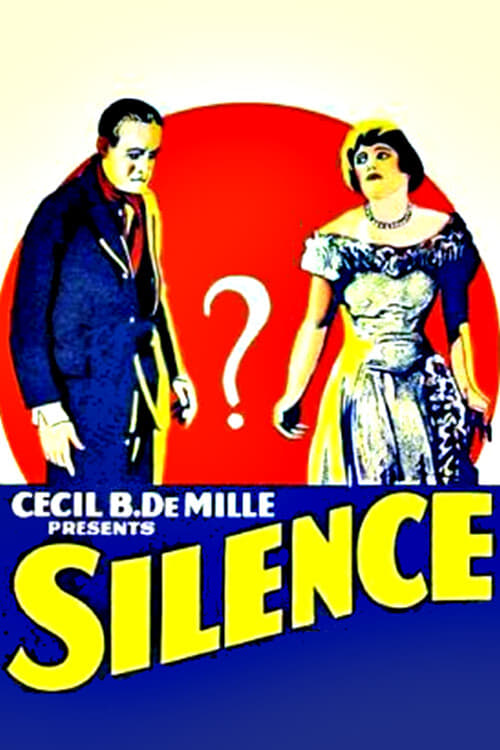
1926
PassedDirector
Rupert Julian
Runtime
70 minutes
Average Rating
No ratings yetNew Showbiz Analysis
The film operates as a traditional silent-era melodrama, reinforcing the social hierarchies and moral expectations of the 1920s. It relies on clichés of scandal and reputation management, centered around a traditional family unit. Representation is limited, adhering to the homogeneous casting and traditional gender roles common to its time. The plot prioritizes legal technicalities and sacrificial archetypes over any subversion of authority or cultural norms. Ultimately, the film lacks the narrative structure to explore multiple layers of identity, focusing instead on conventional social consequences and melodrama.
Category Breakdown
The film does not include any LGBTQ+ characters or identities that challenge heterosexuality. The story centers on traditional marriage and family structures.
Female characters are portrayed as vulnerable and influenced by societal pressures. While Norma is central to the drama, male characters dominate the legal and financial outcomes.
The cast is homogeneous, typical of 1920s Hollywood productions. There is no representation of diverse racial backgrounds or non-Anglo-Saxon perspectives.
The narrative emphasizes traditional moral values and social standing. It focuses on legal legitimacy and family protection without critiquing broader societal issues.
The film does not feature any characters with disabilities or neurodivergence. Physical differences are not used as central traits or sources of ability to act.
Present on Screen
Limited or Absent
Official Synopsis
Jim Warren, a crook, is married to Norma, but there was a flaw in their marriage papers and he must marry her again to protect their unborn child. He returns home and gives her some money but it has been stolen and she is sent to jail as an accomplice. To get her out, he is forced to marry another woman and Norma, thinking Jim has deserted her marries Phil Powers, and gives birth to Jim's daughter. Years later, Jim meets his daughter in the midst of a blackmail scheme against Norma over her earlier imprisonment. The daughter shoots the blackmailer, and Jim takes the blame.
1940
1943
1930
1936
1930
1930
1923
1939
No reviews yet. Be the first to share your thoughts on this movie!
Use the rating form above to leave a star rating and optional review.