
Silence
1926
No user ratings available yet
Representation score: 1.7 out of 10
Representation Score
Limited
1937
ApprovedDirector
Victor Hanbury
Runtime
69 minutes
Average Rating
No ratings yetNew Showbiz Analysis
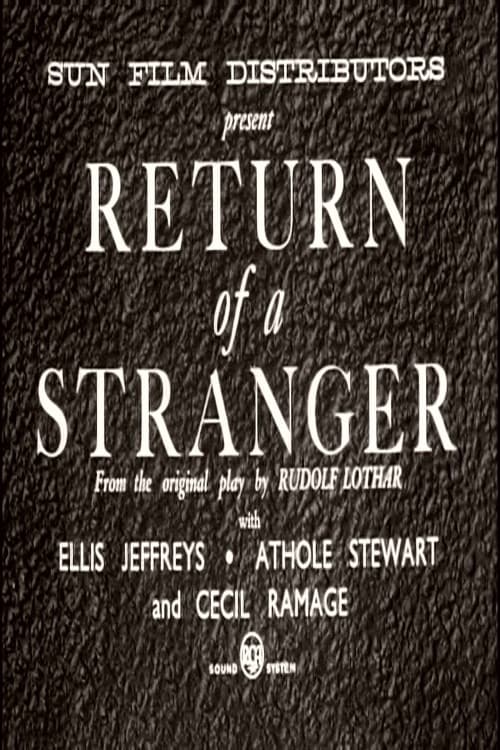
Return of a Stranger is a period crime drama that adheres strictly to the cinematic conventions of 1937. The narrative revolves around a traditional male-driven arc of persecution, physical transformation, and eventual vindication. The film lacks complexity in its portrayal of multiple aspects of identity, focusing instead on a singular romantic and legal conflict. While the protagonist's disfigurement introduces a theme of physical difference, it is used primarily as a plot device rather than for character development. Ultimately, the work operates within a narrow framework of Western social norms, offering limited subversion of the era's standard clichés regarding gender, race, or identity.
Category Breakdown
The story focuses on a heterosexual relationship between James Martin and Carol Wall. It does not include any characters with non-traditional gender identities or critiques of the assumption that everyone is straight.
James Martin drives the plot through legal and physical conflicts. Carol Wall plays a reactive role, embodying traditional 1930s stereotypes of the distressed or judgmental female lead.
The setting shifts to South Africa, but the focus remains on an Anglo-centric experience. There are no indications of non-white characters having significant roles or depth in the narrative.
The film upholds Western narrative structures centered on individual reputation and legal vindication. It operates within established social hierarchies without challenging them.
The protagonist's facial disfigurement serves primarily as a plot device for identity concealment. The film does not explore the lived experience of physical differences in depth.
Present on Screen
Limited or Absent
Official Synopsis
James Martin and Carol Wall have plans to elope, but a fight with her father's solicitor ends in murder committed by an unknown third-party, and Martin is hunted for the crime, knowing the solicitor was alive when he left him. Carol refuses to speak to him, and he escapes on a ship to South Africa. There, he is the victim of an accident that disfigures his face, and he returns to England to clear his name, believing he won't be recognized. Other than by everybody who knew him, it turns out.
1926
1937

1939

1956

1937

1936

1945

1937
No reviews yet. Be the first to share your thoughts on this movie!
Use the rating form above to leave a star rating and optional review.