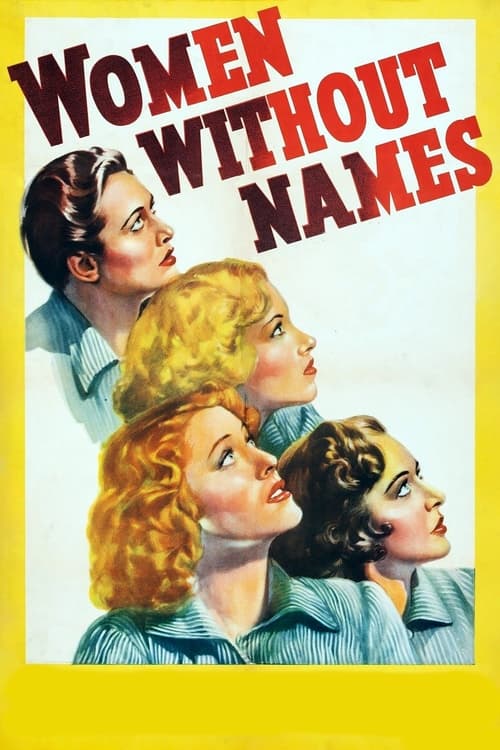
Women Without Names
1940
No user ratings available yet
Representation score: 0.6 out of 10
Representation Score
Minimal
1940
ApprovedDirector
Arthur Lubin
Runtime
66 minutes
Average Rating
No ratings yetNew Showbiz Analysis
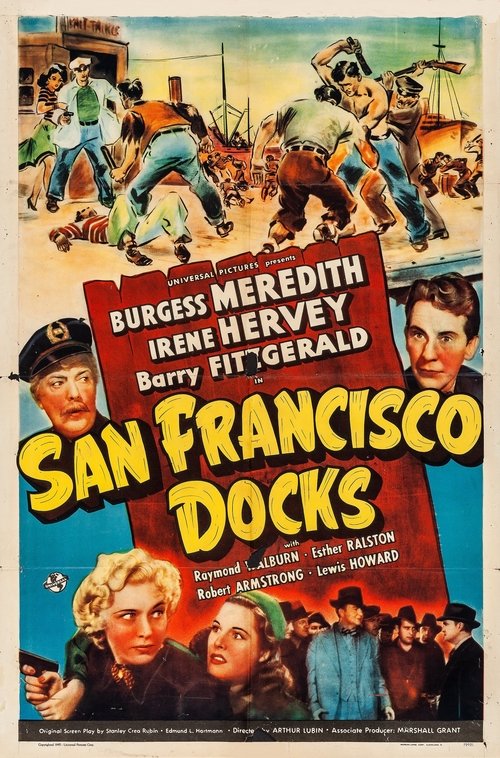
San Francisco Docks is a product of the Golden Age of Hollywood, adhering strictly to the social and narrative structures of 1940. The plot follows a conventional crime-drama trajectory, focusing on a male protagonist's struggle against political corruption and wrongful imprisonment. The film lacks depth in representing diverse identities and social structures, relying instead on traditional hierarchies and heterosexual romantic clichés. Representation is limited to established Western institutions, such as the Church and the legal system, which shape the moral landscape of the waterfront. Ultimately, the film reflects the era's standard casting and storytelling norms, offering little deviation from the homogeneous, male-dominated narratives prevalent in studio filmmaking at the time.
Category Breakdown
The film focuses on a heterosexual relationship between Johnny Barnes and Kitty Tracy. There are no characters with LGBTQ+ identities or non-traditional gender narratives.
The story is driven by male characters, particularly Johnny Barnes, who faces political corruption and wrongful imprisonment. Kitty Tracy, while emotionally important, fits into traditional service-oriented roles.
The film does not include a multi-ethnic cast. Given the setting and era, the cast appears homogeneous, typical of 1940s Hollywood productions.
The story engages with traditional Western institutions like the Church and the legal system, framing the moral landscape of the waterfront. It adheres to established religious norms without challenging them.
There are no characters with visible or invisible disabilities in the narrative.
Present on Screen
Limited or Absent
Official Synopsis
Longshoreman Johnny Barnes is in love with Kitty Tracy, barmaid at her father's waterfront saloon, and he beats up Cassidy, a crooked politician who has been annoying her. Cassidy is murdered that night and Johnny is jailed for the crime. Kitty, her father Andy Tracy, and waterfront-priest Father Cameron believe Johnny is innocent but all evidence points to his guilt.
1940
1936
1937
1956
1939
1945
1926
1939
No reviews yet. Be the first to share your thoughts on this movie!
Use the rating form above to leave a star rating and optional review.