The Price of Honor
1927
No user ratings available yet
Representation score: 0.6 out of 10
Representation Score
Minimal
1928
PassedDirector
Scott Pembroke
Runtime
60 minutes
Average Rating
No ratings yetNew Showbiz Analysis
The film is a product of the late silent era, characterized by strict social hierarchies and traditional cinematic conventions. Its low diversity score reflects the typical studio productions of 1928, which rarely featured inclusive or progressive representation. Without specific evidence of subversion, the film operates within the era's standard frameworks. The narrative likely reinforces existing social norms rather than challenging them through diverse casting or non-traditional character arcs.
Category Breakdown
The film does not include any characters with non-binary gender identities or non-cisgender identities. Given its setting in 1928, there are no themes critiquing the assumption that everyone is straight or cisgender.
The romance genre typically includes female characters, but they likely adhere to traditional feminine roles. There is no indication that women challenge patriarchal structures in the film.
The production seems to feature a homogeneous cast, likely Anglo-Saxon, reflecting the Western-centric social norms common in period crime dramas.
The narrative likely upholds traditional Western values concerning law and order. It does not appear to question conventional morality.
There are no characters with visible or invisible disabilities in the film. The story does not portray any neurodivergent or physically disabled characters with significant roles.
Present on Screen
Limited or Absent
Official Synopsis
A silent film from the end of the silent era.
1927
1931
1916
1937
1921

1934
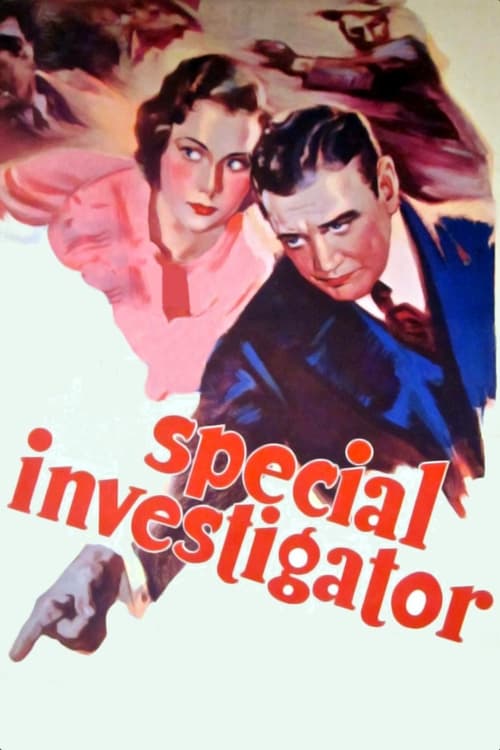
1936
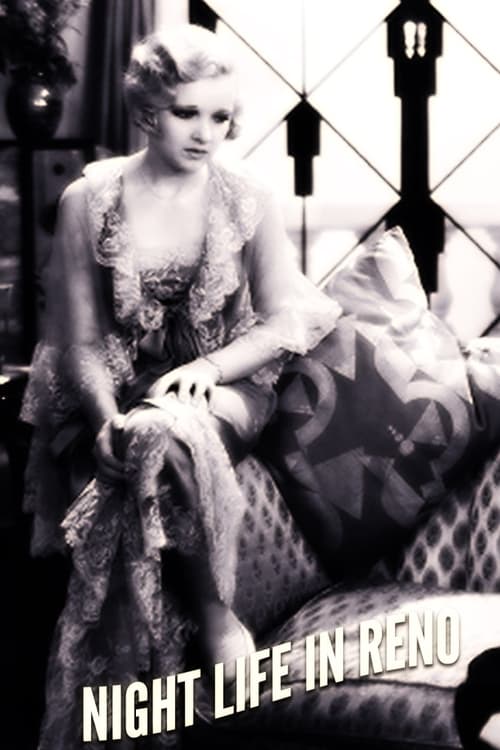
1931
No reviews yet. Be the first to share your thoughts on this movie!
Use the rating form above to leave a star rating and optional review.