
Women Without Names
1940
No user ratings available yet
Representation score: 0.6 out of 10

Representation Score
Limited
1939
ApprovedDirector
Gustav Machatý
Runtime
65 minutes
Average Rating
No ratings yetNew Showbiz Analysis
Within the Law is a product of its time, lacking diverse representation common in modern films. Its low scores in racial and LGBTQ+ categories reflect a homogeneous social landscape and strict adherence to period-specific norms. However, the film stands out by giving its female protagonist a significant role in driving the story. Mary Turner is proactive and uses her intelligence to fight injustice, offering a more nuanced portrayal of womanhood compared to many contemporary melodramas. Ultimately, the film's strength lies in its subtle critique of institutional failures. While it lacks modern diversity, its focus on individual ability to act against systemic issues adds layers of moral complexity.
Category Breakdown
The film follows the social norms of 1939 and does not include any same-sex relationships or non-traditional gender identities.
Mary Turner breaks the 'damsel in distress' stereotype by playing a significant role in driving the story. She is portrayed as intelligent and resilient, navigating systemic failures.
The cast appears mostly uniform, reflecting the era's preference for Anglo-Saxon actors. There is no notable representation of non-white characters.
The story criticizes the flaws in Western judicial systems and institutional mistakes. It emphasizes personal integrity over any specific religious or political stance.
There is no evidence of physical or neurodivergent disabilities depicted in this film.
Present on Screen
Limited or Absent
Official Synopsis
Shopgirl Mary Turner, sentenced to prison for someone else's theft, is released and takes revenge upon those who wronged her in powerful but lawful ways.
1940

1947
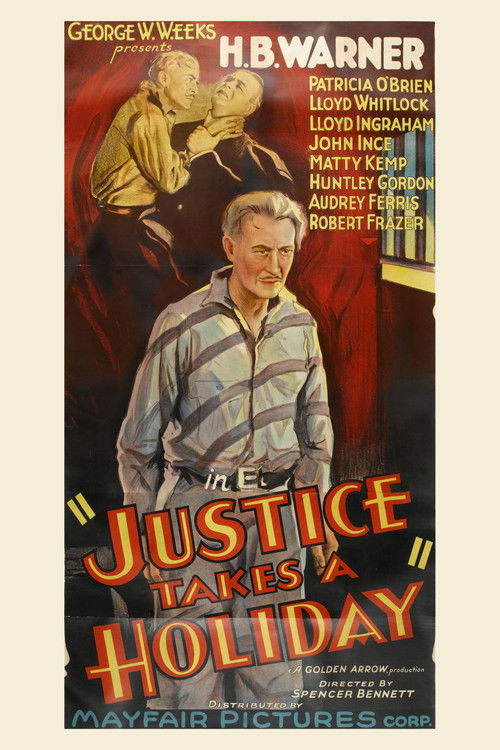
1933

1939

1930

1935

1930

1923
No reviews yet. Be the first to share your thoughts on this movie!
Use the rating form above to leave a star rating and optional review.