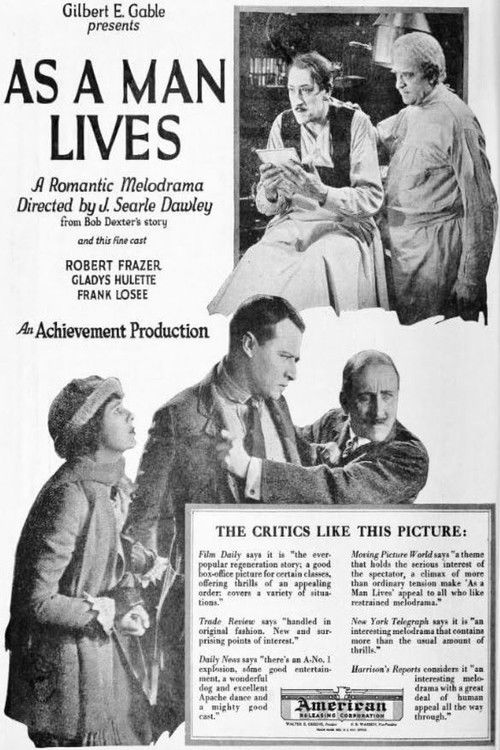
As a Man Lives
1923
No user ratings available yet
Representation score: 1.4 out of 10
Representation Score
Minimal
1918
PassedDirector
J. Gordon Edwards
Runtime
60 minutes
Average Rating
No ratings yetNew Showbiz Analysis
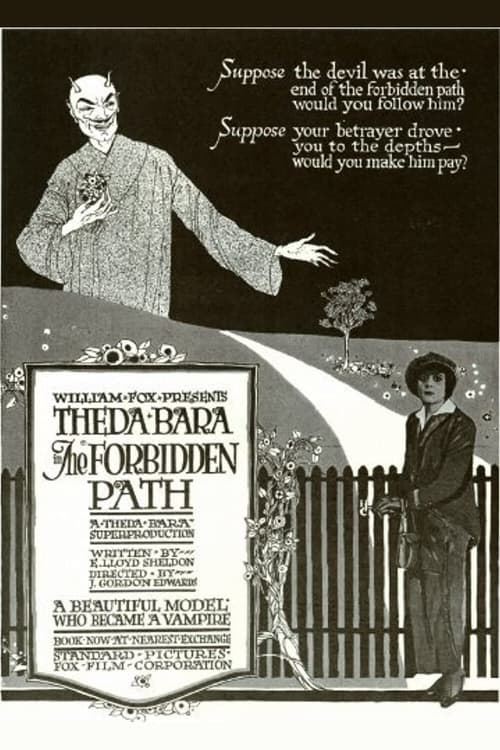
The Forbidden Path is a standard period melodrama that reinforces early 20th-century social hierarchies. The narrative structure centers on a female protagonist whose life is dictated by the actions of men, following a predictable arc of innocence, corruption, and tragedy. Rather than subverting expectations, the film utilizes established clichés to uphold the moral status quo. The protagonist's descent into despair serves as a cautionary tale regarding social displacement and the loss of domestic sanctity. Ultimately, the film lacks intentionality regarding identity or the way different parts of someone's identity overlap, functioning as a traditional melodrama where the female lead's ability to act is stripped away.
Category Breakdown
The film focuses solely on heterosexual and cisgender relationships, with no representation or critique of LGBTQ+ identities.
The story relies on traditional gender roles, presenting Mary as a victim of male influence. Men are portrayed as the primary drivers of Mary's social journey.
The cast appears homogeneous, reflecting typical early 20th-century studio productions. There is no indication of racial diversity or ethnic variety.
The narrative adheres to conventional moral structures, using the 'fallen woman' cliché to reinforce, rather than challenge, contemporary social and religious boundaries.
There is no evidence of characters with physical, sensory, or neurodivergent disabilities.
Present on Screen
Limited or Absent
Official Synopsis
Mary Lynde (Theda Bara) is an innocent girl who has grown up in New York's Greenwich Village. One of the artists there, Felix Benavente (Sidney Mason), uses her as model when he paints a portrait of the Madonna for a church. His friend Robert Sinclair (Hugh Thompson) corrupts Mary so that her father (Walter Law) casts her from his home. She goes to live with Sinclair in his mountain lodge, but after the birth of a child, he callously casts her aside. Subsequently, her baby dies and she sinks to the depths of despair.
1923

1920
1920

1929
1926

1929
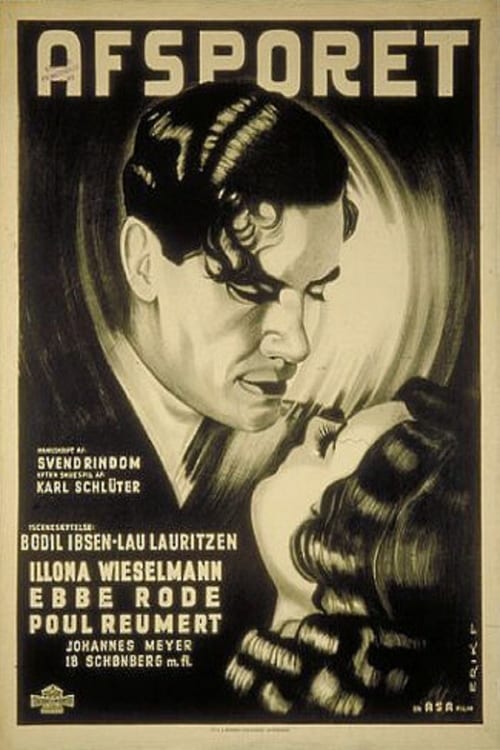
1942
1927
No reviews yet. Be the first to share your thoughts on this movie!
Use the rating form above to leave a star rating and optional review.