The April Fools
1969
No user ratings available yet
Representation score: 4.4 out of 10
Representation Score
Limited
1969
GPDirector
Pierre Grimblat
Runtime
90 minutes
Average Rating
No ratings yetNew Showbiz Analysis
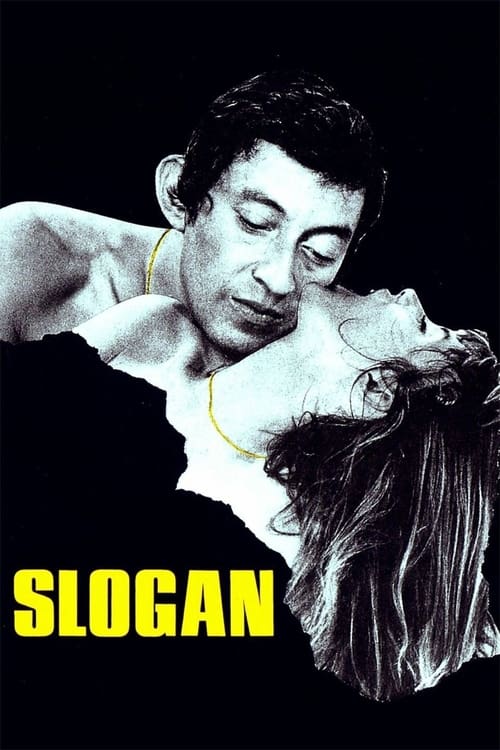
Slogan functions as a traditional mid-century European character study. The narrative structure adheres to conventional romantic clichés, emphasizing interpersonal drama over progressive social critique. The film explores the disruption of domestic norms through infidelity and shifting loyalties. However, these themes are addressed through the lens of personal melodrama rather than a broader systemic critique. Ultimately, the work lacks diverse casting and the narrative depth needed to transcend the demographic uniformity of its time period.
Category Breakdown
The film centers on heterosexual relationships and infidelity. There is no depiction of LGBTQ+ intimacy or non-binary gender identities.
The story delves into shifting relationships and infidelity. Characters like Francoise exhibit unconventional behavior, but the plot remains focused on male-driven narratives and traditional romantic instability.
The narrative seems centered on a specific social circle within a Western European setting. It reflects the demographic uniformity typical of mid-century French commercial cinema.
The film examines the breakdown of the nuclear family through personal melodrama. It lacks a systemic critique of Western institutions or an explicit anti-establishment perspective.
There is no information available regarding the inclusion of characters with physical or neurodivergent disabilities.
Present on Screen
Limited or Absent
Official Synopsis
Commercial director Serge Faberge is having an affair with Evelyne, the 18 year old fiancee of friend Hugh. His own pregnant wife Francoise usually does not mind his dalliances, until he actually walks out on her and their newborn baby to move in with Evelyne. The shoe is on the other foot when dashing stuntman Dado catches Evelyne's eye in Venice.
1969
1965
1974

1964
1960
1984

1969
1981
No reviews yet. Be the first to share your thoughts on this movie!
Use the rating form above to leave a star rating and optional review.