The Facts of Life
1960
No user ratings available yet
Representation score: 1.9 out of 10
Representation Score
Fair
1969
PGDirector
Stuart Rosenberg
Runtime
95 minutes
Average Rating
No ratings yetNew Showbiz Analysis
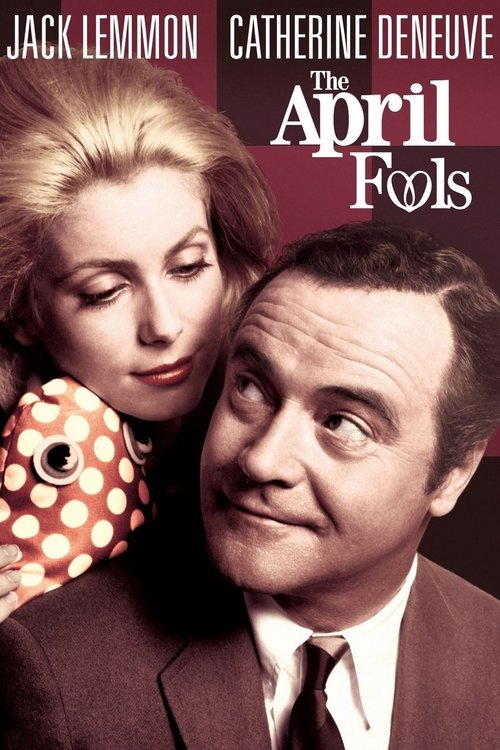
April Fools serves as a transitional piece of late 1960s cinema. It moves away from rigid studio-era archetypes to explore more fluid interpersonal dynamics and shifting social norms. While the film lacks significant racial or LGBTQ+ representation, it excels in its character-driven exploration of social deconstruction. The narrative favors individualistic empowerment over the preservation of the nuclear family or professional decorum. Ultimately, the film's impact lies in its subtle subversion of gender hierarchies and its critique of established social structures.
Category Breakdown
The film does not include any explicit LGBTQ+ characters or non-straight relationships. The story revolves around a romantic relationship between a man and a woman.
Catherine exhibits a strong sense of independence by leaving an unhappy marriage and choosing to start a new life in Paris. Her actions challenge traditional views of submissive femininity.
The story takes place in a homogeneous social environment within New York and Paris. There is no indication of a diverse cast or non-Anglo-Saxon characters.
The film criticizes marriage and corporate hierarchies as sources of dissatisfaction. It emphasizes individual romantic fulfillment over maintaining traditional social institutions.
The narrative does not feature any characters with visible or invisible disabilities.
Present on Screen
Limited or Absent
Official Synopsis
Newly-promoted if none too happily married Howard Brubaker leaves a rowdy company party early with the stunning Catherine, whom it turns out is herself unhappily married — to the boss. They spend an innocent night in New York becoming more and more attracted to each other, so that when Catherine announces she intends to leave her husband and return to Paris, Howard asks to go along too.
1960
1972
1972
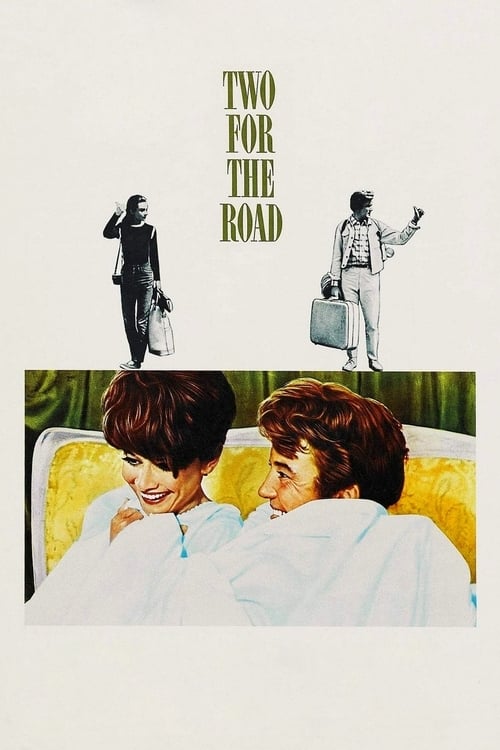
1967
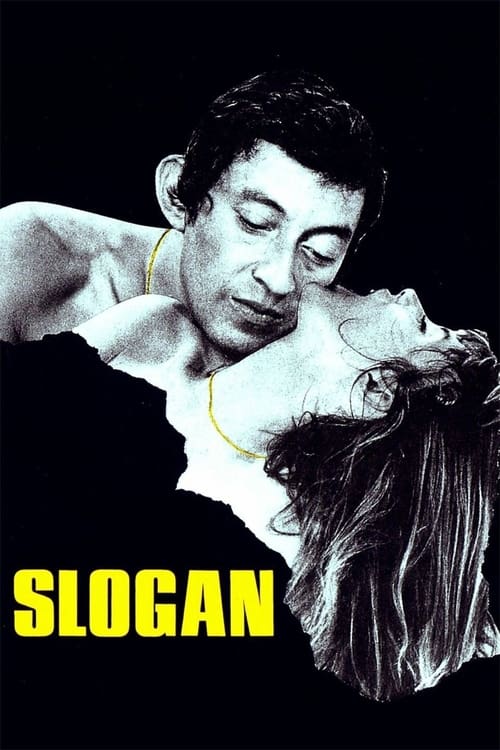
1969
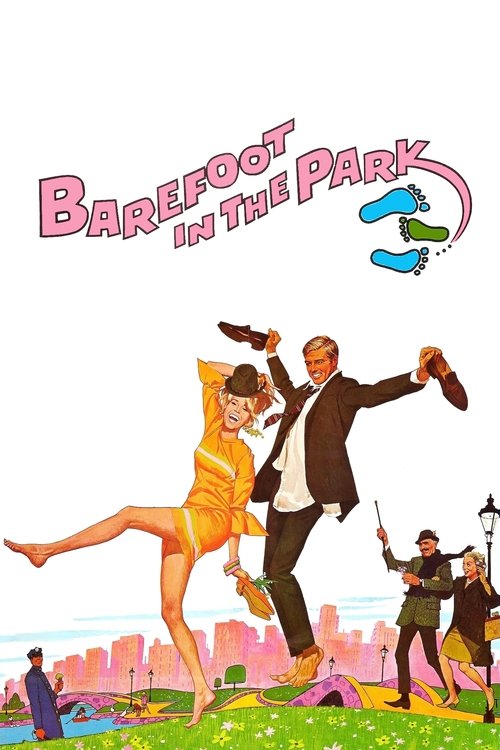
1967

1959
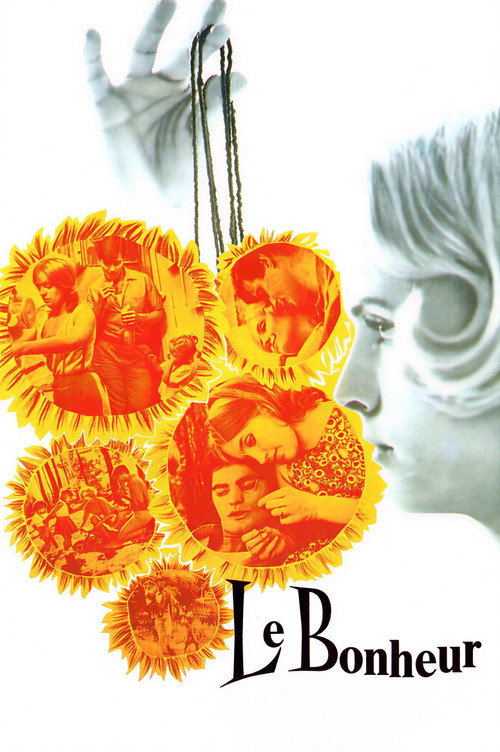
1965
No reviews yet. Be the first to share your thoughts on this movie!
Use the rating form above to leave a star rating and optional review.