
The World of Apu
1959
No user ratings available yet
Representation score: 6.6 out of 10

Representation Score
Fair
1970
Director
Satyajit Ray
Runtime
110 minutes
Average Rating
No ratings yetNew Showbiz Analysis
Satyajit Ray’s film is a masterwork of social realism that prioritizes the deconstruction of class-based power dynamics over demographic variety. It uses the protagonist's psychological unraveling to critique the stability of traditional social hierarchies and the indifference of urban structures. The film excels in its cultural critique, framing the morality of the impoverished through the lens of survival. It provides a profound study of systemic inequality and the psychological toll of navigating a fractured, post-colonial society. However, the film remains tied to traditional gender roles and lacks any LGBTQ+ representation, focusing instead on the domestic and socio-political struggles of the era.
Category Breakdown
The film does not include any LGBTQ+ characters or narratives. The social landscape focuses on class and domestic life without any queer undertones.
Female characters are primarily confined to domestic roles. They provide emotional context but do not significantly challenge traditional gender hierarchies.
The film features an entirely Indian cast, reflecting an authentic post-colonial setting. It avoids the Western perspective by prioritizing local socio-political issues.
The narrative offers a sophisticated critique of middle-class morality and systemic structures. It explores the tension between individual ethics and oppressive class realities.
Mental health is explored through the protagonist's hallucinations, which are presented as a direct result of socioeconomic pressures rather than mere plot devices.
Present on Screen
Limited or Absent
Official Synopsis
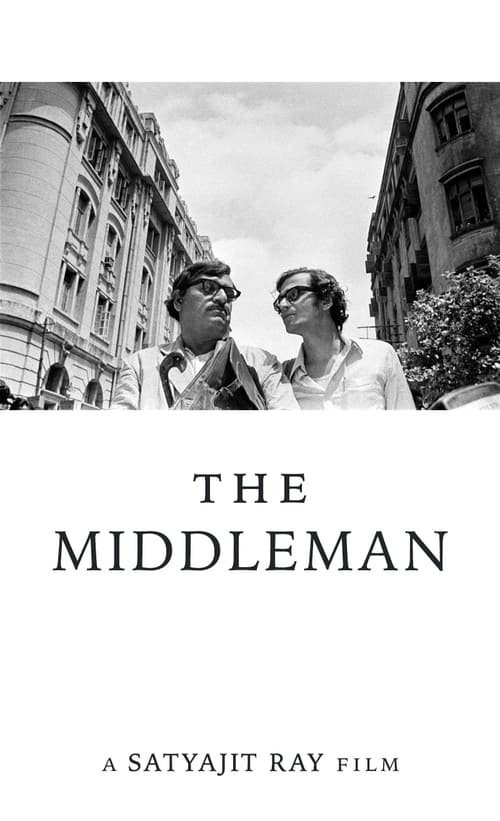
Siddhartho Chowdhury, a brilliant young medical student, is forced to leave his studies after his father's sudden demise. He is forced to navigate the high unemployment rate and the communist socio-political climate of 1960s Calcutta in search of a job.
1959

1963

1954

1963
1976

2005

1977

1955
No reviews yet. Be the first to share your thoughts on this movie!
Use the rating form above to leave a star rating and optional review.