
36 Chowringhee Lane
1981
No user ratings available yet
Representation score: 6.5 out of 10
Representation Score
Fair
1965
Director
Satyajit Ray
Runtime
70 minutes
Average Rating
No ratings yetNew Showbiz Analysis
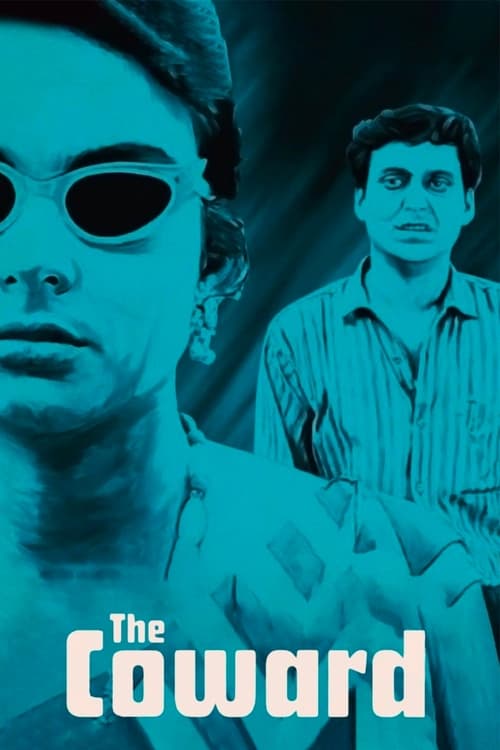
Satyajit Ray’s *The Coward* is a sophisticated psychological drama that uses character study to question the construction of masculinity. It stands out by challenging traditional masculine archetypes and maintaining a deeply authentic, localized cultural perspective. The film’s strength lies in its racial and ethnic authenticity, resisting broad stereotypes and focusing on the internal conflict between personal traits and societal pressures. However, it lacks depth in representing LGBTQ+ identities and treats mental health primarily as a character flaw within a social context rather than exploring the individual's ability to act.
Category Breakdown
The film follows a traditional storyline without addressing non-cisgender identities or questioning the assumption that everyone is straight.
The narrative challenges the typical protector role by focusing on a protagonist who cannot fulfill traditional masculine roles. It also critiques the rigid expectation for stoic masculinity.
The film showcases an authentic Bengali identity through an all-Indian cast, avoiding the Western perspective common in mid-century international cinema.
The story emphasizes existentialism and personal truth over religious or institutional morality, exploring the tension between individual freedom and societal judgment.
The film examines mental health through the protagonist's anxiety and fear, but focuses on his struggle to fit societal norms rather than his lived experience.
Present on Screen
Limited or Absent
Official Synopsis
Amitabha Roy is a Calcutta-based scriptwriter, driving around in the country to collect material for a film. His vehicle breaks down in a small town. A tea planter, Bimal Gupta, offers hospitality for the night. Amitabha is forced to accept the offer as he has no alternative.
1981
1959
1975
1955

1959
1966
1972

1951
No reviews yet. Be the first to share your thoughts on this movie!
Use the rating form above to leave a star rating and optional review.