The Living Koheiji
1982
No user ratings available yet
Representation score: 3.6 out of 10
Representation Score
Good
1969
Director
Shirō Toyoda
Runtime
95 minutes
Average Rating
No ratings yetNew Showbiz Analysis
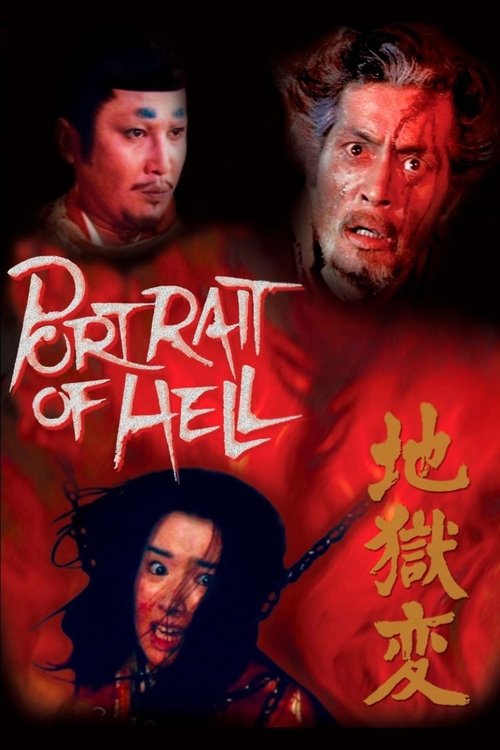
Portrait of Hell is a sophisticated exploration of individual ability to act versus systemic oppression. It challenges the heroic leader cliché by presenting the ruling class as predatory and the outsider as the main driver of the narrative. The film's strength lies in its use of an ethnic outsider to break the homogeneity of the Heian period. By centering a Korean painter, the story defies traditionalist expectations of historical dramas. However, the film remains heavily focused on masculine power struggles and lacks explicit representation of LGBTQ+ identities or lived disability, focusing instead on psychological obsession.
Category Breakdown
The film focuses on the artist's obsession with art rather than romantic relationships. While it doesn't explicitly include non-straight identities, it challenges traditional social bonds through intense personal passion.
The narrative emphasizes masculine power dynamics, particularly the conflict between the artist and the daimyo. It questions the daimyo's leadership by depicting him as cruel and morally bankrupt.
The protagonist, Yoshihide, is identified as Korean, adding a layer of cultural difference to the Heian-era setting. This casting breaks the usual uniformity found in period dramas.
The film criticizes traditional power structures and rigid social hierarchies. It highlights the artist's subjective truth over the oppressive influences of established institutions and communal ethics.
There are no explicit representations of physical or neurodivergent disabilities. However, the film explores the psychological impact of obsession as a deviation from social norms.
Present on Screen
Limited or Absent
Official Synopsis
The story, set in the Heian era, depicts the conflict between Korean painter Yoshihide (Nakadai) and his Japanese patron, the cruel and egotistical daimyo Horikawa (Nakamura). It is based on the 1918 short story Hell Screen by Ryūnosuke Akutagawa.
1982
1952

1969
1957
1981
1994
1977
1959
No reviews yet. Be the first to share your thoughts on this movie!
Use the rating form above to leave a star rating and optional review.