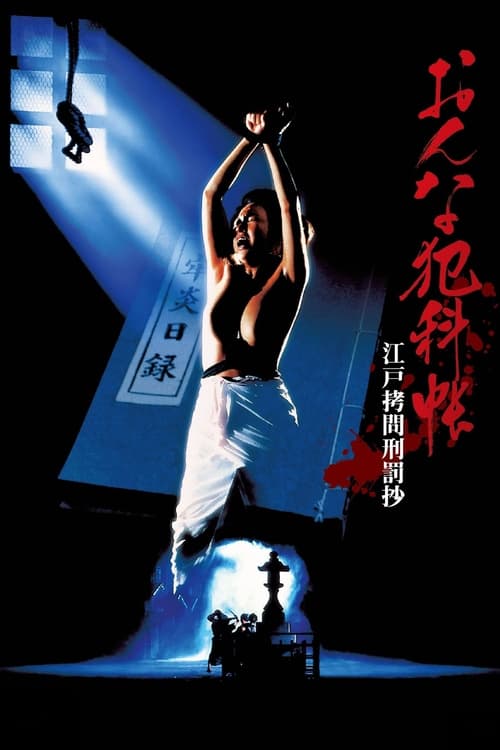
Women's Crime Records: Edo Torture Punishment Chronicles
1994
No user ratings available yet
Representation score: 7.9 out of 10
Representation Score
Fair
1969
18+Director
Teruo Ishii
Runtime
95 minutes
Average Rating
No ratings yetNew Showbiz Analysis
Teruo Ishii’s work serves as a transgressive exploration of body politics and cultural commerce. Utilizing an 'ero-guro' style, the film disrupts conventional narrative comfort zones through extreme imagery. The story moves away from homogeneous settings by highlighting the collision of Eastern artistry with Western demand. This creates a narrative space where racialized commerce and the commodification of the body drive the plot. While the film lacks modern identity markers, it subverts standard social decorum. It replaces traditional moral pillars with a focus on the underground industry and the subjective mastery of specialized craftsmen.
Category Breakdown
The film does not include explicit references to LGBTQ+ characters or non-straight relationships. The focus on geisha production highlights a traditional, straight-centered perspective.
The film centers on female subjects and their bodies as the main source of value. It challenges traditional gender hierarchies by emphasizing female-centric artistry and complex power dynamics.
The narrative intersects Japanese craftsmanship with European consumerism, introducing a post-colonial subtext through the demand for tattooed beauties from Europeans.
The film deconstructs traditional institutions by presenting social structures as exploitative. It emphasizes individual mastery and specialized industries over rigid societal or religious morality.
There is no evidence regarding the portrayal of physical or mental disabilities within the provided material.
Present on Screen
Limited or Absent
Official Synopsis
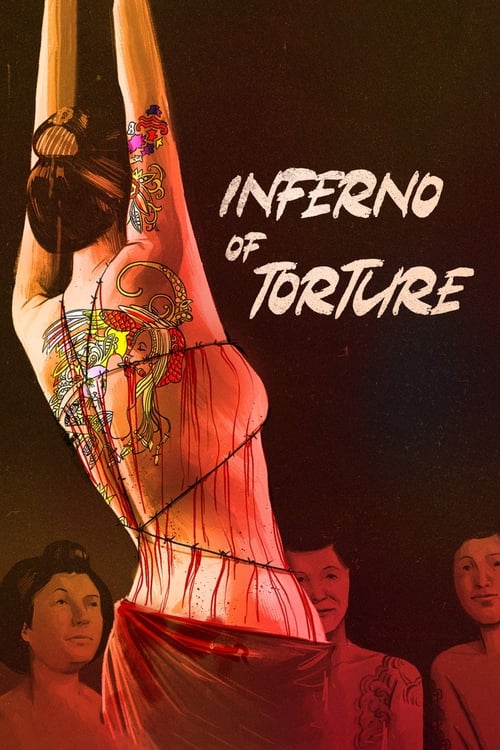
Japan nineteenth century. High demand for tattooed geisha generates an entire industry for their "production". Europeans pay more for tattooed beauties. Against this background, and considering the gorgeous tattooed women develop the history of confrontation between two highly skilled masters of tattoo.
1994
2006
1969
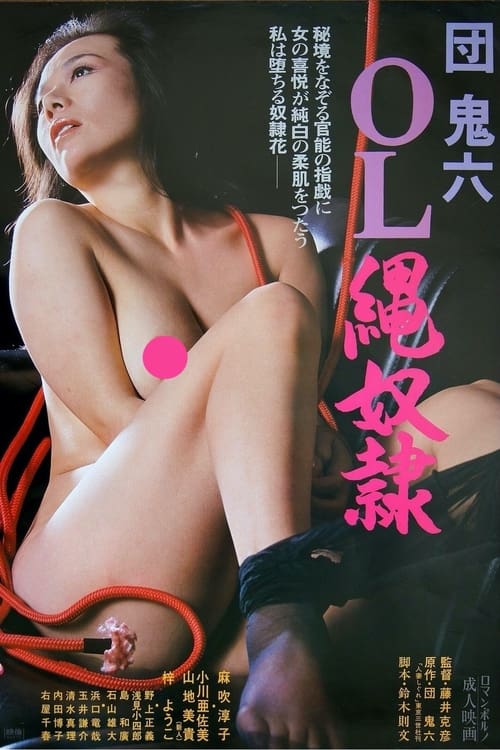
1981
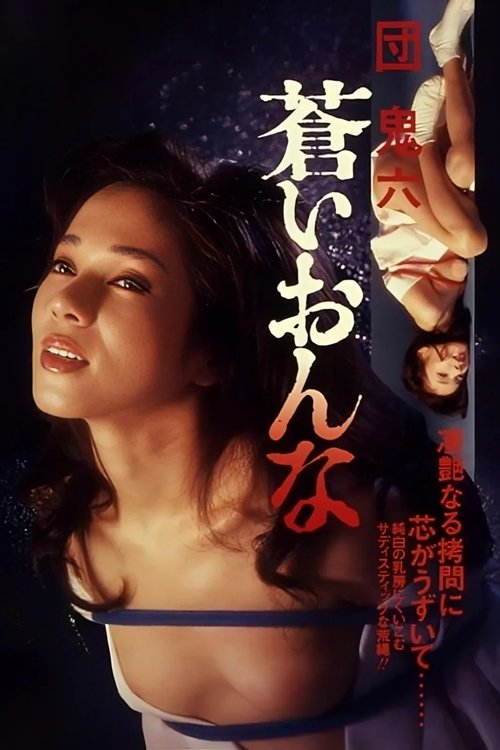
1982
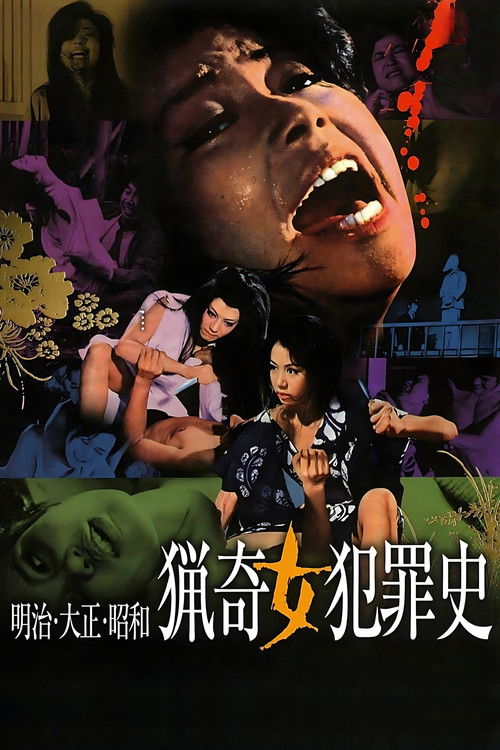
1969

1987
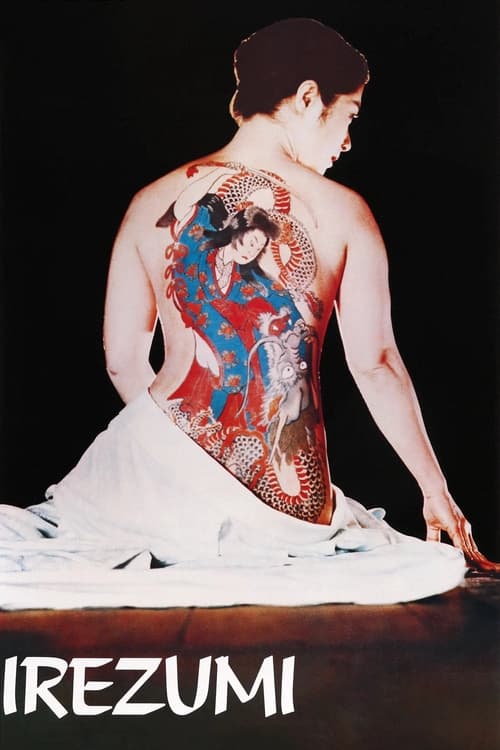
1982
No reviews yet. Be the first to share your thoughts on this movie!
Use the rating form above to leave a star rating and optional review.