
Black Cat Mansion
1958
No user ratings available yet
Representation score: 3.4 out of 10
Representation Score
Limited
1982
Director
Nobuo Nakagawa
Runtime
78 minutes
Average Rating
No ratings yetNew Showbiz Analysis
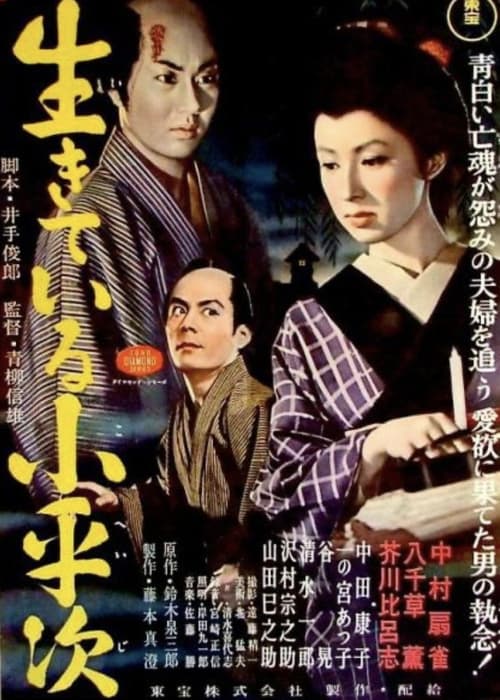
The Living Koheiji functions as a traditional psychological character study rooted in early 1980s genre conventions. The narrative prioritizes individual obsession and domestic drama over exploring diverse identities or systemic social critiques. While the film examines the destructive nature of male friendship and stability, it does so through established clichés rather than progressive subversion. The focus remains tightly on a central, traditional romantic conflict. Ultimately, the work adheres to the demographic and narrative standards of its time and place, offering a period-specific look at interpersonal betrayal without broader social commentary.
Category Breakdown
The story revolves around a man's obsession with his friend's wife, reflecting traditional heterosexual relationships. It does not include any representation of LGBTQ+ identities or challenge traditional romantic clichés.
The plot uses the female character as an object of desire within a domestic power struggle. While it explores male instability, it does not actively challenge traditional gender roles.
As a 1982 Japanese production, the film reflects the demographic norms of its era. The cast appears homogeneous, adhering to the cultural context of its origin.
The narrative focuses on interpersonal morality, obsession, and betrayal. It does not offer a clear critique of systemic issues or engage with anti-Western or secularist themes.
The film provides no visible or invisible representation of characters with disabilities. There is no information available to assess this category.
Present on Screen
Limited or Absent
Official Synopsis
The actor Koheiji is terribly in love with the wife of his best friend, the playwright Takuro; to get her, he would even kill Takuro.
1958

1978
1959
1951

1972

1985
1972
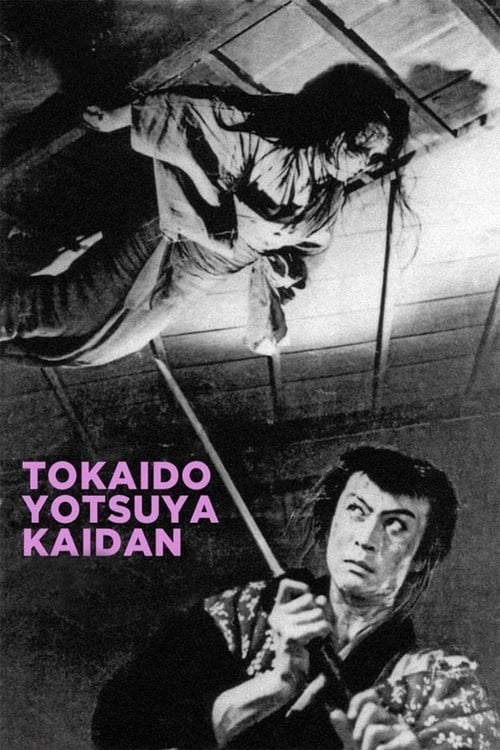
1959
No reviews yet. Be the first to share your thoughts on this movie!
Use the rating form above to leave a star rating and optional review.