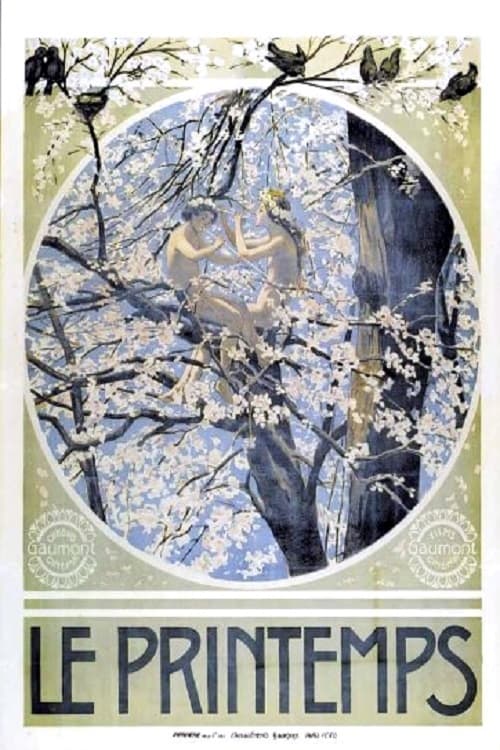
Spring: Episode 3 - The Becqué / In Orchards
1909
No user ratings available yet
Representation score: 4.0 out of 10

Representation Score
Minimal
1909
Not RatedDirector
Louis Feuillade
Runtime
7 minutes
Average Rating
No ratings yetNew Showbiz Analysis
Louis Feuillade’s early work utilizes mythological and pastoral themes to depict seasonal change. While the film provides a platform for female-coded characters through the depiction of nymphs, the narrative remains tied to classical clichés. The production lacks complexity or systemic critique, operating primarily as a traditional aesthetic celebration of nature and Western mythological order, reflecting the social and visual norms of early 20th-century France.
Category Breakdown
The film focuses on mythological entities like nymphs and cupids celebrating the season. Cupids hint at themes of affection, but there is no clear representation of LGBTQ+ identities or narratives that challenge traditional gender norms.
Nymphs provide a visible presence of traditionally feminine-coded figures throughout the narrative. However, these roles adhere to traditional archetypes of grace and beauty without challenging patriarchal structures.
The film reflects the homogeneous European aesthetic standards of 1909 France. There is no evidence of casting actors from diverse racial or ethnic backgrounds, nor does it deviate from the era's conventional visual norms.
The work utilizes classical mythology deeply rooted in Western tradition. It functions as a celebration of natural and classical order rather than offering any secularist or anti-Western perspectives.
There is no discernible evidence regarding the portrayal of physical or neurodivergent identities within this mythological pastoral setting.
Present on Screen
Limited or Absent
Official Synopsis
Nymphs and cupids dance in celebration of the arrival of Spring.
1909
1909
1909
1907
1902
1908
1909
1905
No reviews yet. Be the first to share your thoughts on this movie!
Use the rating form above to leave a star rating and optional review.