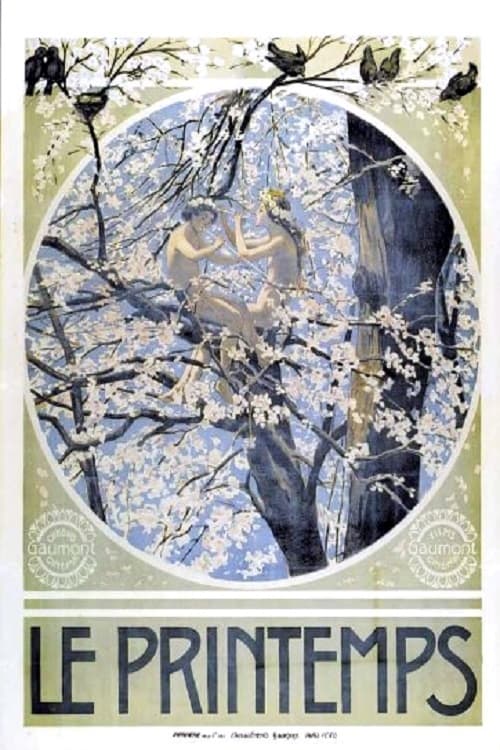
Spring: Episode 3 - The Becqué / In Orchards
1909
No user ratings available yet
Representation score: 4.0 out of 10
Representation Score
Fair
1909
Director
Louis Feuillade
Runtime
2 minutes
Average Rating
No ratings yetNew Showbiz Analysis
Louis Feuillade’s fantasy short uses mythological archetypes to avoid the rigid social hierarchies of the early 20th century. By focusing on nymphs and cupids, the film moves away from traditional patriarchal realism towards a dreamlike, non-linear celebration of nature. However, the work remains limited by its historical context. The representation is largely aesthetic, lacking the depth or specific character identities needed for a higher score. The focus on classical mythology keeps the narrative within established European cultural frameworks.
Category Breakdown
The film includes mythological entities such as nymphs and cupids. These characters offer a departure from human social norms, but there is no clear depiction of queer identity or same-sex relationships.
Female-coded characters like nymphs play central roles in the film. However, their roles are mainly aesthetic and celebratory, rather than focusing on power dynamics.
The production follows the European aesthetic standards typical of 1909. The casting reflects the traditional silent-era norms without much ethnic variety.
The narrative uses mythological allegory to celebrate seasonal changes. This approach emphasizes a folkloric, secularized spirituality rather than strict religious moralizing found in other films of the time.
There are no depictions or mentions of characters with visible or invisible disabilities in the film.
Present on Screen
Limited or Absent
Official Synopsis
Nymphs and cupids dance in celebration of the arrival of Spring.
1909
1909

1909
1907
1905
1909
1906
1907
No reviews yet. Be the first to share your thoughts on this movie!
Use the rating form above to leave a star rating and optional review.