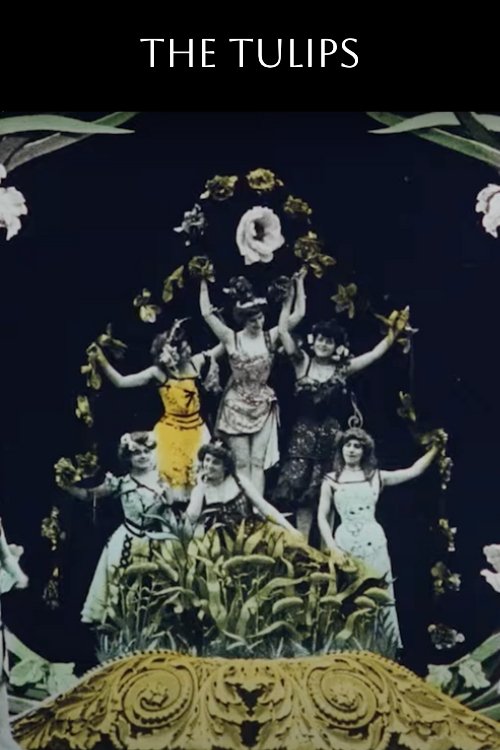
The Tulips
1907
No user ratings available yet
Representation score: 0.4 out of 10
Representation Score
Minimal
1902
Director
Ferdinand Zecca
Runtime
3 minutes
Average Rating
No ratings yetNew Showbiz Analysis
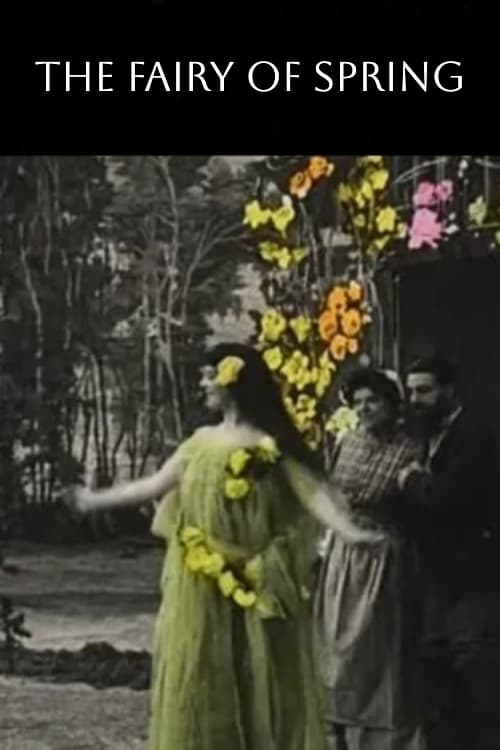
La Fée printemps is a traditional fairy tale that upholds established social norms. The plot uses magical realism to address the material needs of a peasant couple seeking a child. The film reinforces conventional family structures and early 20th-century gender roles. While the Spring Fairy introduces a mystical element, the core narrative remains grounded in traditional European ideals. Overall, the work does not aim to challenge historical norms. Instead, it serves as a historical baseline for fantasy cinema without a strong focus on diverse representation.
Category Breakdown
The story focuses on traditional heterosexual desires for having children. There are no indications of LGBTQ+ themes or non-binary gender identities.
The film upholds early 20th-century gender roles through domestic duties and physical labor. However, the Spring Fairy brings a mystical element that highlights feminine power.
The setting portrays a uniform European peasant community. There is no indication of racial diversity or non-white actors.
The story operates within a traditional folklore framework emphasizing the sanctity of family life. It reinforces Western values related to family lineage and the domestic ideal.
The available documentation does not indicate the presence of characters with visible or invisible disabilities.
Present on Screen
Limited or Absent
Official Synopsis
It is the depths of winter, and the snow is falling. The desolate landscape casts a melancholic note over the scene. A poor peasant woman awaits her husband, who has gone to gather firewood in the forest. When he finally arrives, they lament their sad fate. If only they had a child! This wish has been granted by the Spring Fairy, who appears before them. With a wave of her magic wand, she transforms the scene into a cheerful, flowery landscape. They themselves are dressed in rich costumes. The fairy summons flowers, which flow into her hand to form a magnificent bouquet, instantly transformed into a beautiful pink baby, which she gives to them. Then she vanishes, leaving them overflowing with joy and longing. This film, tinted in Barcelona by Segundo de Chomón, is currently lost and should not be confused with the remake done by Vincent Lorant-Heilbronn in 1905, also tinted by Chomón in Paris, which is widely available to watch.
1907
1951

1896
1921
1906
1906
1907
1906
No reviews yet. Be the first to share your thoughts on this movie!
Use the rating form above to leave a star rating and optional review.