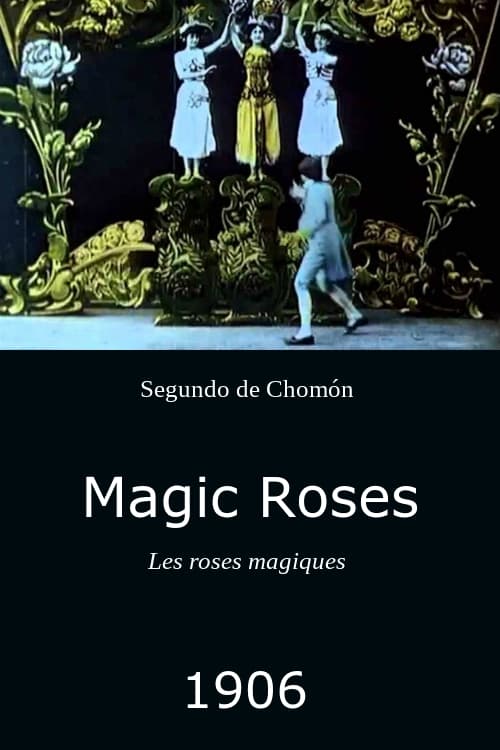
Magic Roses
1906
No user ratings available yet
Representation score: 0.7 out of 10
Representation Score
Minimal
1907
Director
Segundo de Chomón
Runtime
4 minutes
Average Rating
No ratings yetNew Showbiz Analysis
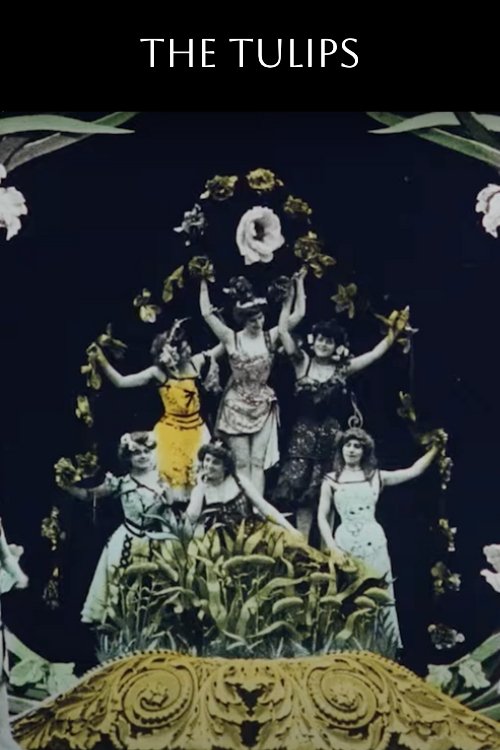
Segundo de Chomón’s *Les tulipes* is a foundational work of early cinematic illusionism that prioritizes technical spectacle over social representation. The film functions as a showcase for botanical metamorphosis and trick photography rather than character-driven storytelling. Given its time period, the film adheres to the traditionalist, binary, and homogeneous norms of early 1900s cinema. The narrative structure centers on magical realism and visual wonder. Ultimately, the film lacks the intentionality needed to challenge existing hierarchies. It remains a purely aesthetic exercise in early special effects, devoid of contemporary social dynamics or systemic critique.
Category Breakdown
The film does not depict any non-straight relationships or queer themes. It focuses on a boy and girl playing magic games together.
Gender roles are presented in a performative and aesthetic manner rather than being subversive. Female forms emerge from flowers but serve mainly as decorative elements rather than characters with independent roles.
The film features a homogeneous cast typical of early European cinema. There is no evidence of diverse racial representation or non-white actors.
The work exists within a vacuum of traditional Western escapism. It presents a whimsical fantasy world that avoids engaging with religious or cultural frameworks.
There is no evidence of characters with visible or invisible disabilities. Disability is not used as a narrative device in the film.
Present on Screen
Limited or Absent
Official Synopsis
In a bower of giant tulips a boy and girl practice flower magic. They cause flowers and birds to open and human forms to issue therefrom, and on the black background of the wonderful garden there appear myriad flowers, in the center of each of which is a smiling feminine head. Tableaux showing pretty girl and flower effects are plentiful and the film winds up with a burst of multi-colored flame, which shoots in fiery splendor from leaves and petals.
1906
1921
1906
1970
1907
1905
1908
1908
No reviews yet. Be the first to share your thoughts on this movie!
Use the rating form above to leave a star rating and optional review.