
Spring: Episode 4 - The Games and the Reefs / Floréal
1909
No user ratings available yet
Representation score: 4.3 out of 10
Representation Score
Limited
1909
Director
Louis Feuillade
Runtime
2 minutes
Average Rating
No ratings yetNew Showbiz Analysis
Louis Feuillade’s work serves as a visual poem rather than a character-driven social critique. Using a mythological framework, the film offers a temporary escape from the rigid social hierarchies and domestic realism of the early 20th century. While the fantasy setting allows for more flexible expressions of identity, the work lacks the narrative depth needed for complex representations. It remains a culturally neutral piece that provides escapism through nature and myth. Ultimately, the film’s diversity is limited by its brevity and the constraints of the silent era, avoiding traditional social constraints without actively challenging them.
Category Breakdown
The film includes mythological nymphs and cupids, figures that exist outside traditional assumptions about straight relationships. However, there is no clear depiction of same-sex relationships or specific LGBTQ+ identities.
By focusing on mythological beings, the film shifts attention away from traditional male-dominated structures. This helps break down conventional gender roles, but it doesn’t provide specific character arcs that fully challenge these power dynamics.
The film’s pastoral, mythological setting suggests a Eurocentric aesthetic typical of 1909 European cinema. There is no indication of a diverse cast or intentional casting that deviates from the norm.
The narrative emphasizes seasonal celebration and mythic escapism over religious doctrine. It promotes a secular, nature-focused perspective rather than engaging with specific social or political issues.
There is no information about the portrayal of physical or neurodivergent disabilities in this episode.
Present on Screen
Limited or Absent
Official Synopsis
Nymphs and cupids dance in celebration of the arrival of Spring.
1909
1909

1909
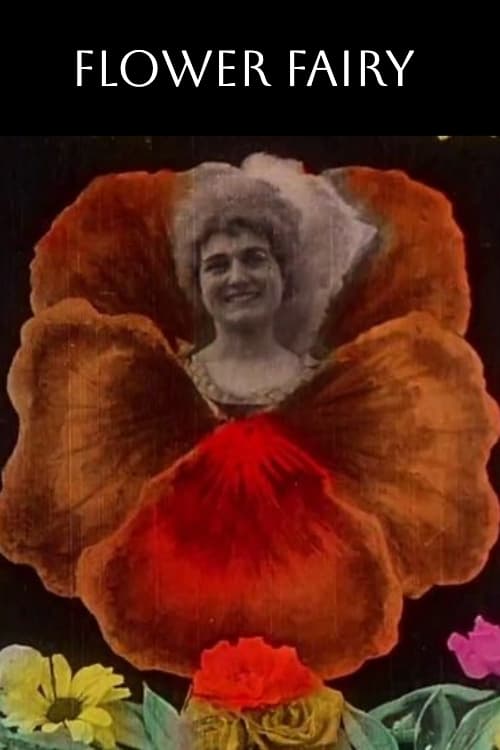
1905
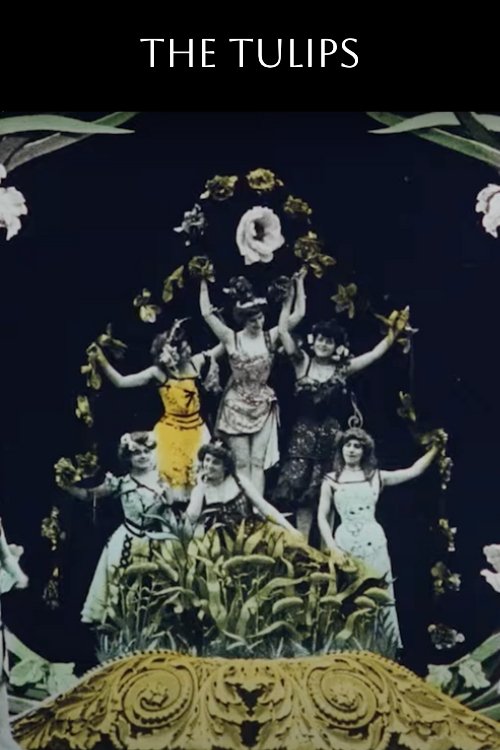
1907
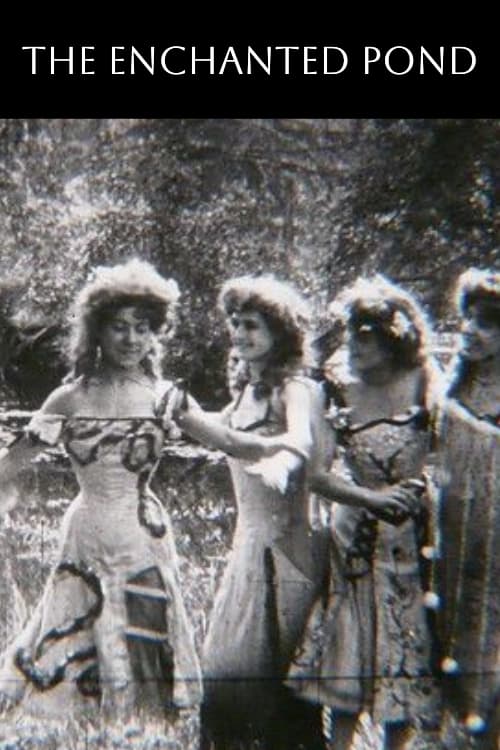
1907
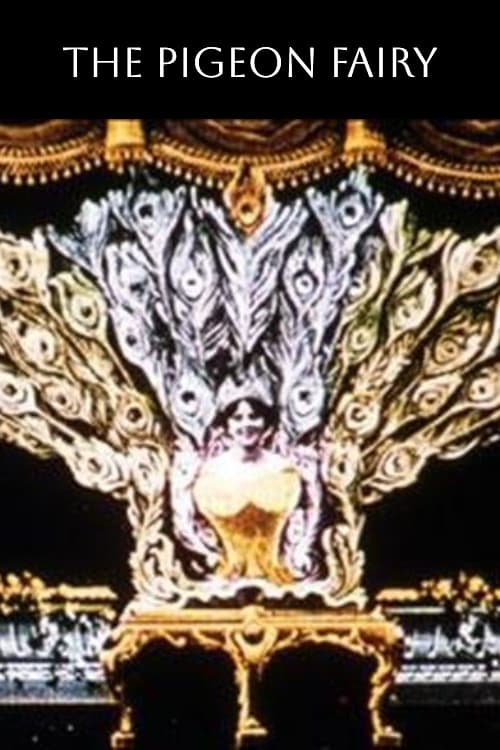
1906
1909
No reviews yet. Be the first to share your thoughts on this movie!
Use the rating form above to leave a star rating and optional review.