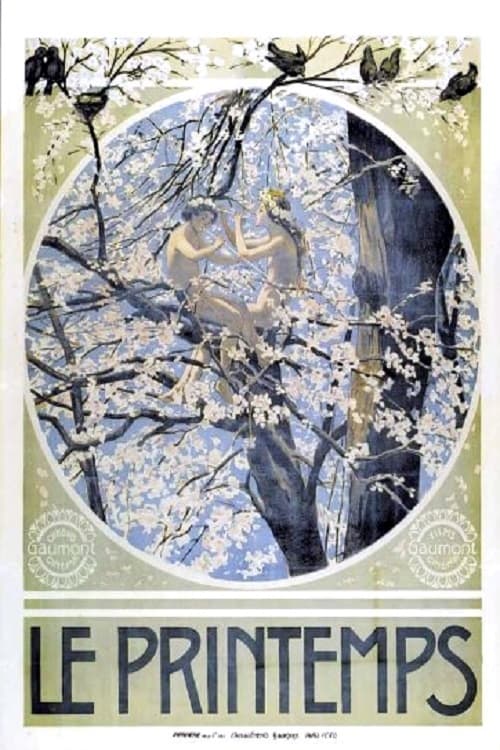
Spring: Episode 3 - The Becqué / In Orchards
1909
No user ratings available yet
Representation score: 4.0 out of 10
Representation Score
Fair
1909
Director
Louis Feuillade
Runtime
1 minutes
Average Rating
No ratings yetNew Showbiz Analysis
This early silent film operates within a mythological, allegorical framework centered around seasonal change rather than modern social identity. While it avoids rigid religious doctrine by focusing on nature and instinct, it adheres to the Eurocentric casting norms of its time. The film’s focus on female-driven movement through nymphs provides a unique perspective, but it lacks the multi-layered complexity and intentional demographic diversity expected in contemporary media.
Category Breakdown
The film includes cupids and nymphs, suggesting themes of desire and romantic connections. However, there are no clear representations of queer narratives or non-straight identities.
Nymphs play key roles in the film’s movement and celebration, providing a departure from traditionally masculine-centered narratives.
The fantasy setting follows Eurocentric aesthetic standards from the early 20th century. There is no evidence of diverse racial representation or subversion of casting norms.
The story is set within a mythological framework that celebrates natural instincts and seasonal changes, avoiding strict adherence to traditional religious hierarchies.
The film does not include any specific characters or plot points related to physical or neurodivergent identities.
Present on Screen
Limited or Absent
Official Synopsis
Nymphs and cupids dance in celebration of the arrival of Spring.
1909
1909

1909
1907
1909
1906
1905
1907
No reviews yet. Be the first to share your thoughts on this movie!
Use the rating form above to leave a star rating and optional review.