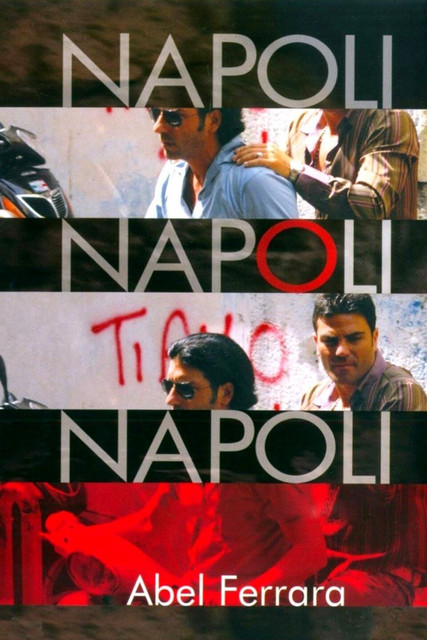
Napoli, Napoli, Napoli
2010
No user ratings available yet
Representation score: 8.6 out of 10

Representation Score
Excellent
2017
Not RatedDirector
Abel Ferrara
Runtime
69 minutes
Average Rating
No ratings yetNew Showbiz Analysis
Abel Ferrara’s documentary serves as a cinematic mosaic that deconstructs the traditional image of the Western city. By centering the underrepresented inhabitants of Rome's Piazza Vittorio district, the film disrupts Eurocentric perspectives and prioritizes the ability to act of a multi-ethnic population. The work's primary strength lies in its observation of migration and displacement. It successfully uses the immigrant experience to examine modern identity, making the 'outsider' the central subject rather than a peripheral figure. However, the film's scope is narrow regarding specific identity politics. While it captures a wide spectrum of human experience, it lacks intentional representation of LGBTQ+ narratives or specific disability advocacy.
Category Breakdown
The film does not focus on LGBTQ+ identities or non-straight gender expressions. Instead, it emphasizes ethnic and socioeconomic struggles.
Women are shown as active participants navigating challenging economic situations within immigrant communities. They are portrayed as essential figures in the communal struggle, avoiding submissive stereotypes.
The film excels by featuring a predominantly non-white cast, including individuals from Nigeria, Senegal, India, and China. It places the Global South at the center of the story within a Western context.
The documentary highlights a pluralistic reality through diverse religious practices such as Islam and Christianity. It critiques Western structures by framing the outsider as a subject of systemic pressure.
There is no intentional focus on neurodivergence or visible disabilities as central arcs. Physical struggle is depicted primarily through the lens of poverty and working-class exhaustion.
Present on Screen
Limited or Absent
Official Synopsis
Vivid mosaic/portrait of Rome’s biggest public square, Piazza Vittorio, featuring talks with African musicians and restaurant workers, Chinese barkeeps and relocated eastern Europeans, homeless men and women, artists, actors, and many others.
2010
2000
2014

2016
2013

2017
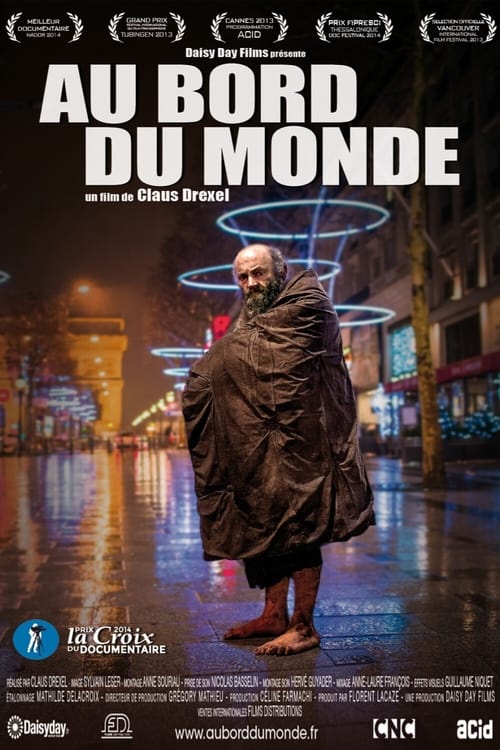
2014
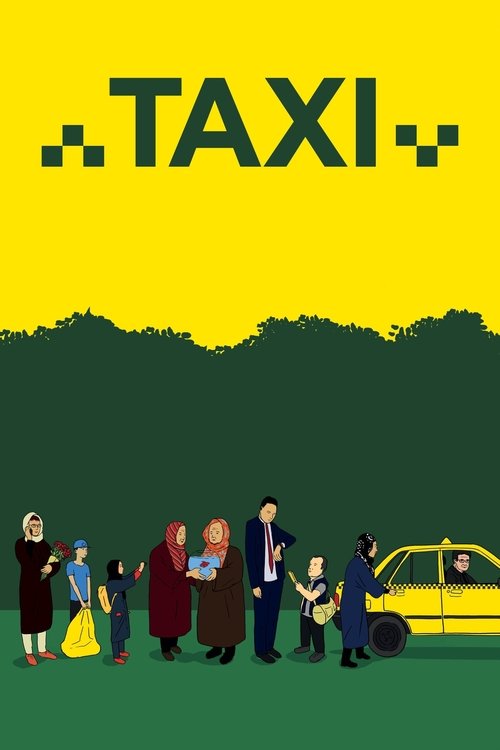
2015
No reviews yet. Be the first to share your thoughts on this movie!
Use the rating form above to leave a star rating and optional review.