Flex Is Kings
2013
No user ratings available yet
Representation score: 4.0 out of 10
Representation Score
Excellent
2005
PG-13Director
David LaChapelle
Runtime
86 minutes
Average Rating
No ratings yetNew Showbiz Analysis
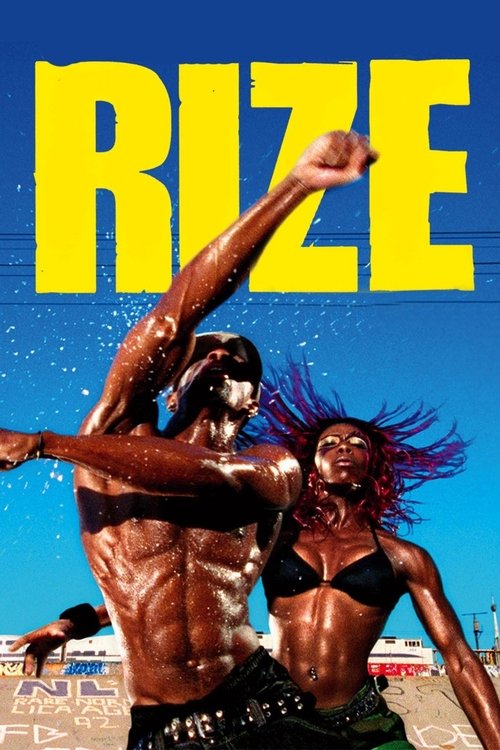
Rize is a kinetic study of Clowning and Krumping subcultures in South Central Los Angeles. It succeeds by replacing the tired 'urban crisis' cliché with a sophisticated look at artistic discipline and communal resilience. By centering Black and Latino youth, the film asserts their ability to act and dignity. While the film is visually maximalist and culturally rich, it remains demographic-specific. The focus on male-dominated dance crews and the lack of explicit LGBTQ+ narratives limit its breadth. However, it effectively uses movement as a language of resistance. Ultimately, the documentary elevates street dance to a profound semiotic language. It captures a localized subculture that serves as a vital conduit for expression amidst socioeconomic pressures.
Category Breakdown
The film focuses on the communal and competitive nature of dance crews. It does not center on non-straight identities or explicit romantic arcs, though the subculture operates outside traditional assumptions about straight relationships.
The documentary reflects a predominantly male-dominated scene typical of the era's street dance. However, it provides visibility to female practitioners and explores their nuanced personal and familial roles.
The film excels by centering Black and Latino identities, disrupting an Anglo-centric gaze. Dancers are portrayed as skilled architects of a cultural movement rather than passive victims of their environment.
The narrative highlights alternative social structures as a response to systemic failures. It frames high-energy expression as a vital, self-organized method of survival and spiritual transcendence.
The film does not focus on diagnosed disabilities. Instead, it explores the physical resilience and sensory intensity required to process environmental stressors through movement.
Present on Screen
Limited or Absent
Official Synopsis
A documentary film that highlights two street derived dance styles, Clowning and Krumping, that came out of the low income neighborhoods of L.A.. Director David LaChapelle interviews each dance crew about how their unique dances evolved. A new and positive activity away from the drugs, guns, and gangs that ruled their neighborhood. A raw film about a growing sub-culture movements in America.
2013
2000

2014
2005

2009
2008
2013
2022
No reviews yet. Be the first to share your thoughts on this movie!
Use the rating form above to leave a star rating and optional review.