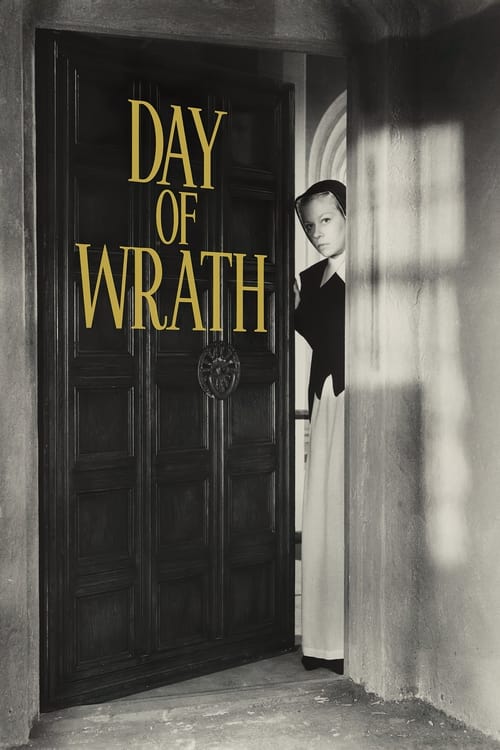
Day of Wrath
1943
No user ratings available yet
Representation score: 3.0 out of 10

Representation Score
Fair
2016
RDirector
Saara Cantell
Runtime
108 minutes
Average Rating
No ratings yetNew Showbiz Analysis
Devil's Bride is a historical critique of institutional power. It effectively dismantles the moral authority of a 17th-century village, presenting religious fervor as a tool for social control. The film excels in highlighting gendered ability to act and challenging traditional authority. Using the backdrop of historical witch hunts, it illustrates how systemic injustice affects those who defy the status quo. However, the film's focus on a historically homogeneous setting limits its racial and ethnic diversity, reflecting the specific time period rather than a broader range of backgrounds.
Category Breakdown
The film sets its story in a repressive 17th-century society where non-conformity is risky. Although specific LGBTQ+ identities are not mentioned, the narrative highlights the dangers faced by those who deviate from social norms.
The story focuses on the female experience under strict patriarchal control. Through the character Anna, the film explores how women's independence is seen as a threat to the established social order.
Set in 17th-century Finland, the film accurately reflects the era's homogeneous population. The casting remains true to the historical context, avoiding the inclusion of non-Western elements.
The film criticizes traditional religious institutions as tools of systemic oppression. It emphasizes the perspective of the oppressed individual over the maintenance of communal Christian values.
The narrative does not include characters with visible or invisible disabilities.
Present on Screen
Limited or Absent
Official Synopsis
Anna is a 16-year old in a village where women are accused of witchcraft. It's based on the witch hunts on Åland, Finland in the 1600s.
1943
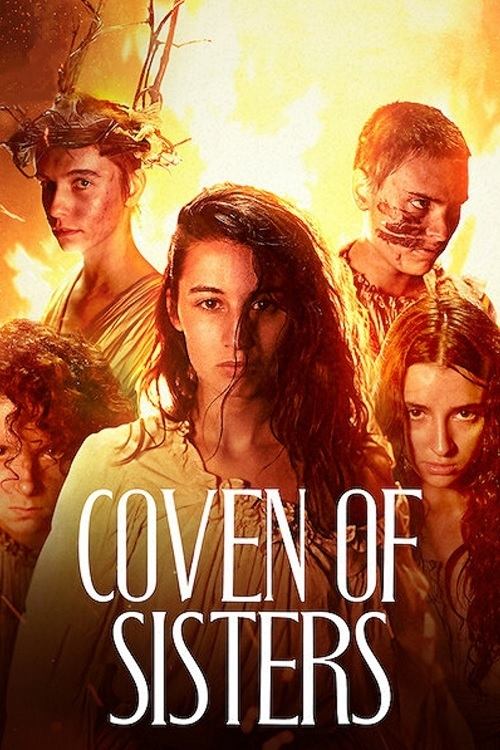
2020

1957

1993
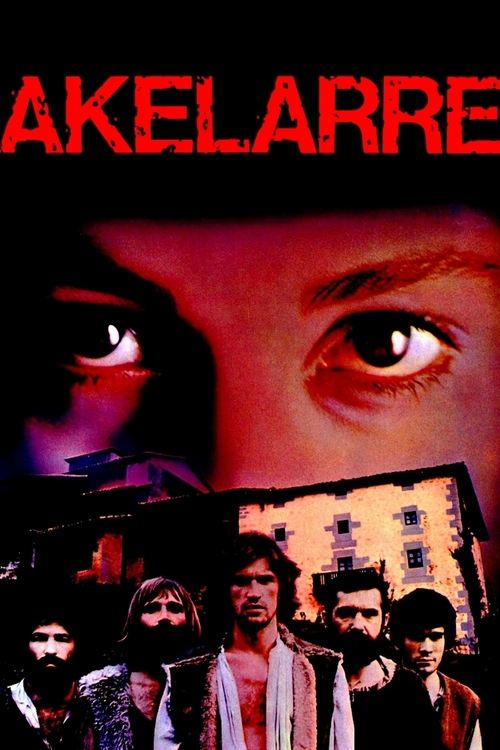
1984

1968

2011

1971
No reviews yet. Be the first to share your thoughts on this movie!
Use the rating form above to leave a star rating and optional review.