The Witch Hunt
1981
No user ratings available yet
Representation score: 5.2 out of 10
Representation Score
Limited
1937
NRDirector
Frank Lloyd
Runtime
86 minutes
Average Rating
No ratings yetNew Showbiz Analysis
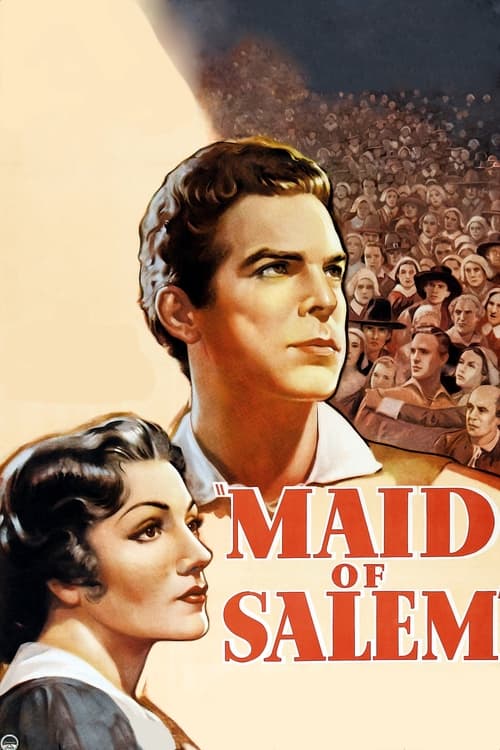
Maid of Salem is a historical drama that emphasizes systemic critique over demographic diversity. While it lacks representation for LGBTQ+ identities and disabilities, it successfully challenges traditional Western institutions. The film’s strength lies in its critique of institutionalized religious dogma and systemic injustice, presenting a sophisticated cultural perspective despite period-specific casting. Ultimately, the film’s impact is shaped by its portrayal of a female protagonist struggling against a male-dominated, persecutory framework, highlighting the dangers of communal hysteria.
Category Breakdown
The film does not depict any non-straight relationships or same-sex intimacy. The main conflict revolves around a traditional romantic relationship set in the 17th century.
Barbara Clarke is the primary emotional and moral center of the story. Despite facing a patriarchal judicial system, she remains the central figure driving the narrative.
The cast is predominantly white and uniform, reflecting the historical context of 1692 Massachusetts. The film does not use diverse casting to broaden its narrative scope.
The narrative critically examines Puritan religious and legal systems, portraying them as oppressive and irrational, leading to social breakdown.
There are no visible depictions of physical, sensory, or neurodivergent disabilities among the main characters.
Present on Screen
Limited or Absent
Official Synopsis
When a young woman named Barbara Clarke has an affair with adventurer Roger Coverman, it causes a scandal in the Puritanical town of Salem, Massachusetts. After a meddling girl arouses their suspicions, the town's elders accuse Barbara of being a witch. She is tried, convicted of sorcery and sentenced to death. As the townspeople prepare to burn Barbara at the stake, Roger tries desperately to save the woman he loves.
1981
1943

1957
2020
1934
1951
1999

1971
No reviews yet. Be the first to share your thoughts on this movie!
Use the rating form above to leave a star rating and optional review.