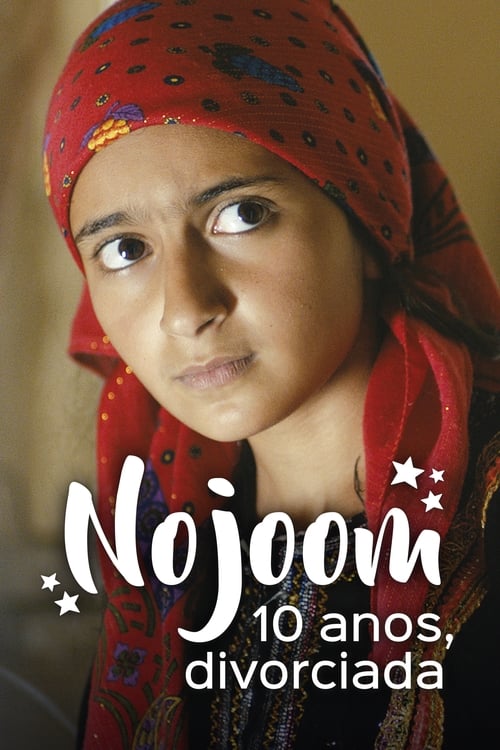
I Am Nojoom, Age 10 and Divorced
2014
No user ratings available yet
Representation score: 4.9 out of 10
Representation Score
Excellent
2017
Director
Rungano Nyoni
Runtime
93 minutes
Average Rating
No ratings yetNew Showbiz Analysis
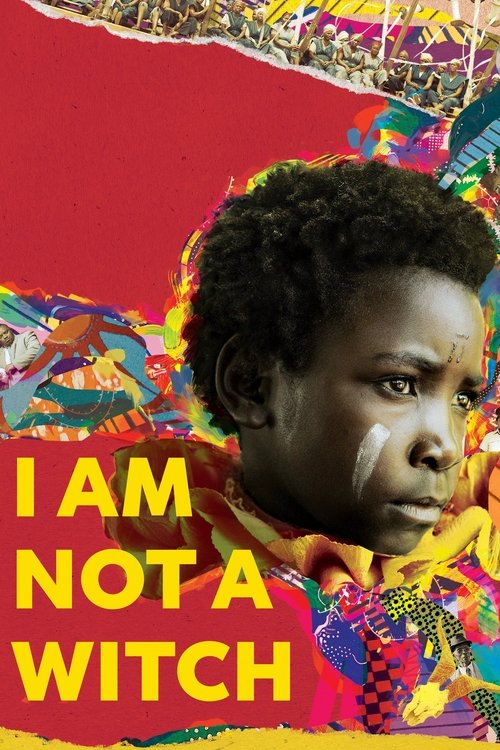
Rungano Nyoni’s film is a powerful piece of cinematic subversion that prioritizes post-colonial storytelling over Western-centric identity politics. It succeeds by showing how state bureaucracy and communal superstition intersect to marginalize vulnerable individuals. The film's strength lies in its authentic cultural specificity and its refusal to cater to the Western gaze. By centering a Black, female protagonist in a Zambian context, the film challenges traditional hierarchies and explores the struggle for bodily autonomy. However, the film's narrow focus on socio-political oppression leaves several identity categories, such as LGBTQ+ representation, entirely unaddressed. While the critique of systemic power is profound, the narrative remains rooted in a traditional framework.
Category Breakdown
The film does not include any LGBTQ+ characters or non-cisgender identities. It focuses solely on the protagonist's socio-political struggles within a traditional framework.
The film centers on a young female protagonist to critique patriarchal and communal structures. It portrays the female experience through systemic exploitation rather than traditional domestic roles.
The film excels with an authentic Zambian setting and a predominantly Black cast. It avoids the Western perspective by presenting a complex, non-Anglo-Saxon social reality.
The narrative critiques state authority and organized superstition as tools of oppression. It frames communal morality as a mechanism for social exclusion and individual exploitation.
The film does not focus on physical or neurodivergent disabilities. Instead, it explores a form of social disability through the forced marginalization of a child.
Present on Screen
Limited or Absent
Official Synopsis
Convicted of witchcraft, 8-year-old Shula is brought to live in a penal colony where witches do hard labour in service of the government.
2014
2019
2017
2021
2016

2016
2021
1994
No reviews yet. Be the first to share your thoughts on this movie!
Use the rating form above to leave a star rating and optional review.